Lhasa Apso
The Lhasa Apso is a small dog known for being confident, independent, alert.
- Size
- small
- Weight
- 12–18 lbs
- Life span
- 12–15 yrs
- Coat
- long dense double
- Shedding
- low
- Energy
- moderate
Health to watch for
Common breed predispositions — not a diagnosis. Always consult your vet.
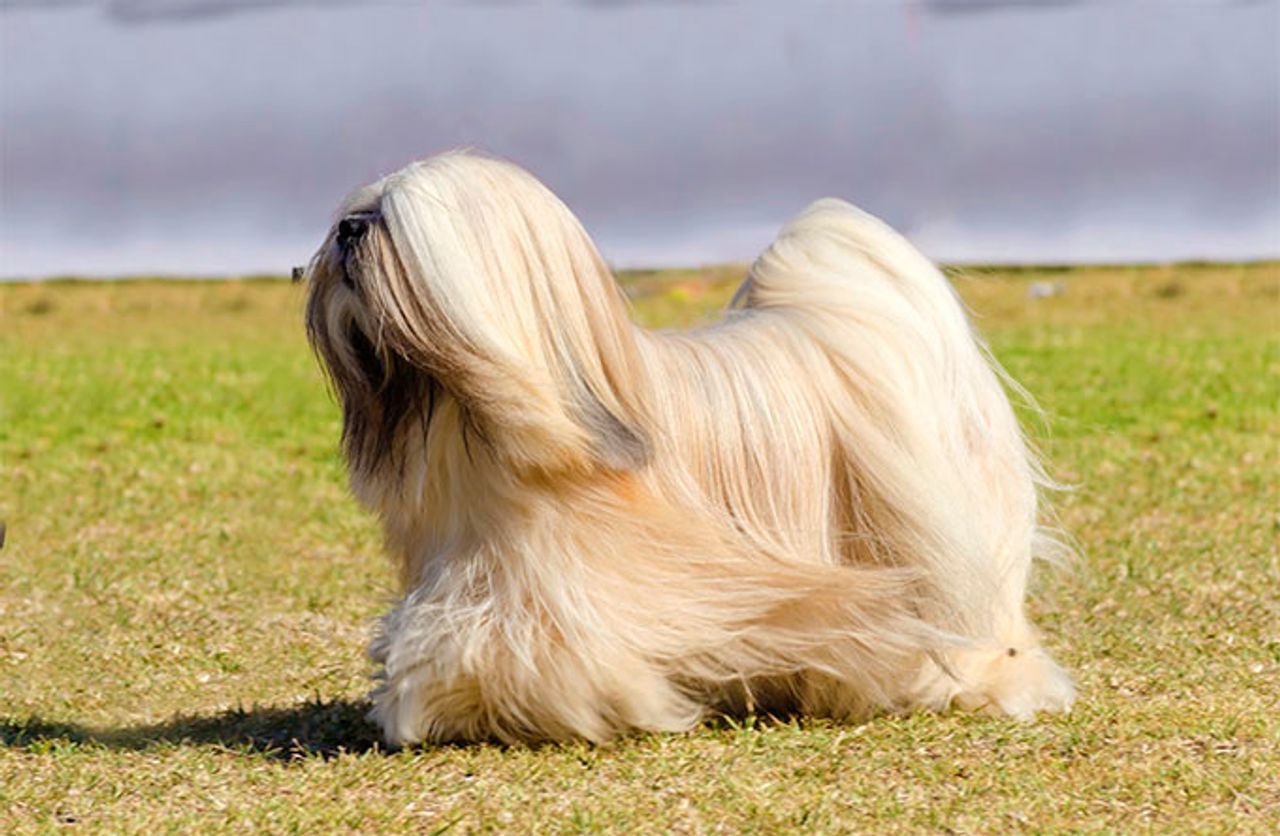
The Lhasa Apso's beautiful, flowing coat is a major part of their appeal, but it also requires daily care to prevent matting and tangling. For owners of this breed, finding the right balance between grooming, exercise, and health care can be a challenge. With their independent nature and potential for costly health issues, it's essential to understand the needs of the Lhasa Apso to provide the best possible care.
Lhasa Apsos are known for their confident and playful personalities, making them a great companion for active families. However, their moderate energy level means they need regular exercise to stay happy and healthy. Their long, dense double coat requires regular grooming to prevent matting and tangling, and their prone to eye and kidney issues means regular health checks are crucial.
With a lifespan of 12-15 years, the Lhasa Apso is a long-term commitment that requires careful consideration of their specific needs. From daily grooming to regular health checks, understanding the needs of the Lhasa Apso is key to providing the best possible care.
Grooming Needs
The Lhasa Apso's long, dense double coat requires regular grooming to prevent matting and tangling. Daily brushing is essential, and regular trimming or clipping may be necessary to prevent overgrowth. Owners should also be prepared to deal with the occasional knot or tangle, which can be painful for the dog if not addressed promptly.
Exercise and Enrichment
Lhasa Apsos have a moderate energy level, which means they need regular exercise to stay happy and healthy. Daily walks and playtime are essential, and owners should also consider providing mental stimulation through training and puzzle toys. This breed is prone to obesity, so owners should monitor their food intake and ensure they get enough physical activity.
Feeding Considerations
Lhasa Apsos are a small breed, which means they have specific dietary needs. Owners should choose a high-quality dog food that is formulated for small breeds, and monitor their food intake to prevent overeating. This breed is also prone to kidney issues, so owners should consider a food that is low in protein and phosphorus.
Health Care
Lhasa Apsos are prone to several health issues, including kidney dysfunction, cherry eye, patellar luxation, and dry eye. Regular health checks are crucial to identify any potential issues early, and owners should work closely with their veterinarian to develop a preventative care plan. This breed is also prone to eye issues, so owners should monitor their dog's eyes closely and seek veterinary care if they notice any signs of trouble.
Cost and Commitment
Owning a Lhasa Apso is a significant financial commitment, with costs including food, grooming, and veterinary care. Owners should also consider the cost of potential health issues, such as kidney disease or eye problems. With a lifespan of 12-15 years, the Lhasa Apso is a long-term commitment that requires careful consideration of their specific needs.
Lhasa Apso FAQ
How often should I groom my Lhasa Apso?
The Lhasa Apso's long, dense double coat requires daily brushing to prevent matting and tangling. Regular trimming or clipping may also be necessary to prevent overgrowth.
What are the most common health issues in Lhasa Apsos?
Lhasa Apsos are prone to several health issues, including kidney dysfunction, cherry eye, patellar luxation, and dry eye. Regular health checks are crucial to identify any potential issues early.
How much exercise does a Lhasa Apso need?
Lhasa Apsos have a moderate energy level, which means they need regular exercise to stay happy and healthy. Daily walks and playtime are essential, and owners should also consider providing mental stimulation through training and puzzle toys.
What is the best food for my Lhasa Apso?
Lhasa Apsos are a small breed, which means they have specific dietary needs. Owners should choose a high-quality dog food that is formulated for small breeds, and monitor their food intake to prevent overeating.
How long do Lhasa Apsos live?
The Lhasa Apso has a lifespan of 12-15 years, making them a long-term commitment for owners. With proper care and attention, they can live a happy and healthy life.
Top picks for Lhasa Apsos
- Best Jackets & Coats for Lhasa Apsos →
- Best Food for Lhasa Apsos →
- Best Treats for Lhasa Apsos →
- Best Dental Chews for Lhasa Apsos →
- Best Crates for Lhasa Apsos →
- Best Brushes for Lhasa Apsos →
- Best Leashes for Lhasa Apsos →
- Best Nail Clippers for Lhasa Apsos →
- Best Harnesses for Lhasa Apsos →
- Best Joint Supplements for Lhasa Apsos →
- Best Chew Toys for Lhasa Apsos →
- Best Cooling Mats for Lhasa Apsos →
- Best Training Pads for Lhasa Apsos →
- Best Collars for Lhasa Apsos →
- Best Toys for Lhasa Apsos →
- Best Shampoo for Lhasa Apsos →
- Best Ear Cleaners for Lhasa Apsos →
- Best Beds for Lhasa Apsos →