How Much Exercise Does a Maltese Need?
By PetEssentialist Team · Updated June 2026 · How we review
We independently research and pick every product. When you buy through our links we may earn a commission, at no extra cost to you. How this works.
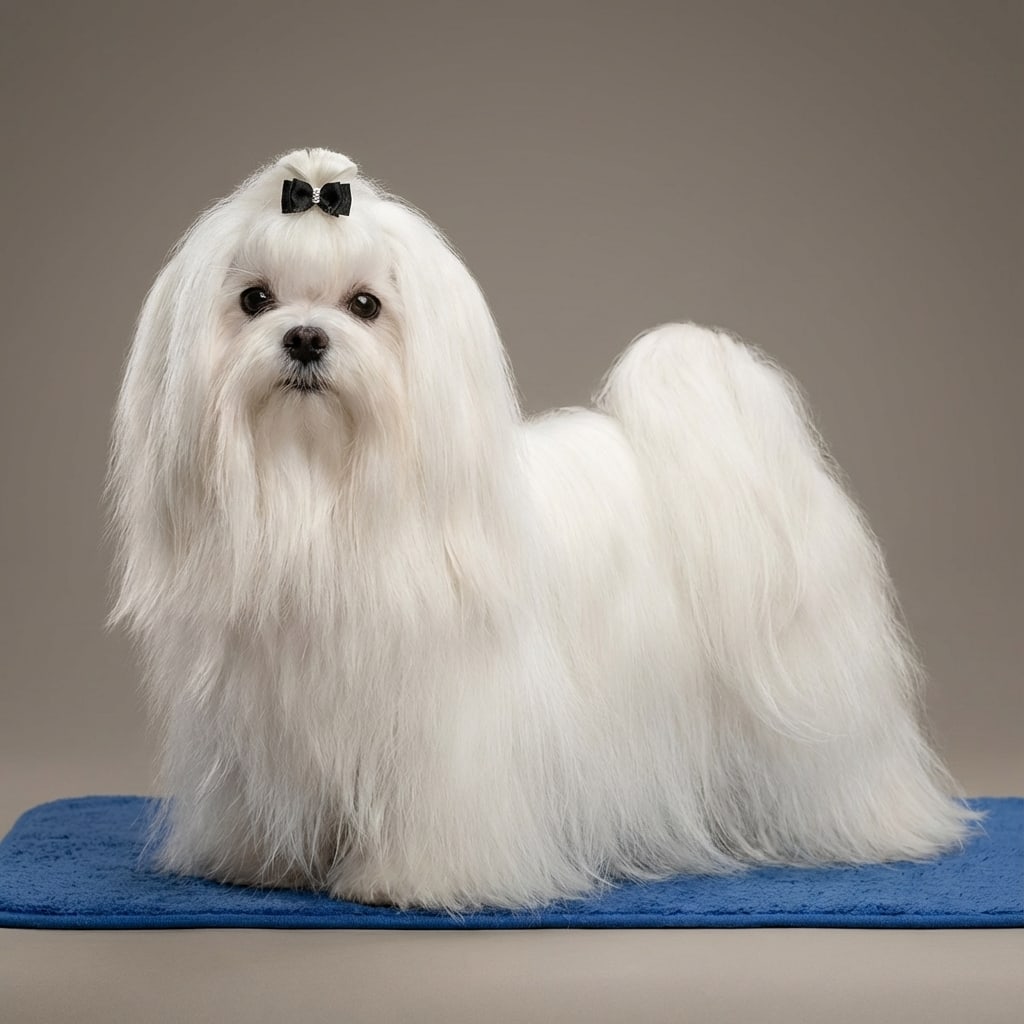
Despite their small size, Maltese dogs require regular exercise to stay happy and healthy. In fact, a daily walk of just 10-15 minutes can help prevent common health issues like obesity and dental disease. With their gentle and affectionate nature, Maltese thrive on interaction and playtime with their owners. The Maltese's long, silky coat requires daily grooming, which can be a great way to bond with your dog while also preventing matting and tangling. However, their trachea-sensitive necks mean that harnesses are a must, rather than collars, to prevent discomfort and potential injury. As a toy breed, Maltese are prone to dental issues and tear staining, making regular cleaning and check-ups crucial. Given their moderate energy level, Maltese need a balance of physical activity and mental stimulation to prevent boredom and stress. A well-structured exercise routine can help burn off excess energy, while also providing opportunities for socialization and training.
What to look for
Daily Walks
Maltese dogs need at least one short walk per day, ideally 10-15 minutes, to stretch their legs and get some fresh air. This can be a great opportunity to explore new sights and smells, and to provide mental stimulation. Be sure to use a harness and keep the walk gentle, as Maltese can be prone to trachea issues.
Playtime
In addition to daily walks, Maltese need regular playtime to burn off energy and have fun. This can include indoor games like hide-and-seek, fetch, or tug-of-war, as well as outdoor activities like chasing balls or playing with toys. Aim for at least 30 minutes of playtime per day, divided into shorter sessions to prevent exhaustion.
Mental Stimulation
Maltese are intelligent dogs that need mental stimulation to prevent boredom and stress. This can include activities like puzzle toys, scent work, or obedience training. Aim to provide at least 15-30 minutes of mental stimulation per day, using a variety of activities to keep your dog engaged and challenged.
Socialization
Socialization is critical for Maltese dogs, which can be prone to fearfulness and anxiety. Aim to socialize your dog regularly, ideally from an early age, to help them become confident and calm in new situations. This can include meeting new people, dogs, and environments, as well as exposure to new sights and sounds.
Monitoring Exercise Levels
It's essential to monitor your Maltese's exercise levels to prevent overexertion, which can lead to health issues like trachea collapse or heatstroke. Watch for signs of exhaustion, such as panting, drooling, or lethargy, and adjust your dog's exercise routine accordingly. If you're unsure about your dog's exercise needs, consult with a veterinarian for personalized advice.
Frequently asked questions
How often should I exercise my Maltese?
Maltese dogs need at least one short walk per day, ideally 10-15 minutes, and regular playtime to burn off energy and have fun. Aim for at least 30 minutes of playtime per day, divided into shorter sessions to prevent exhaustion.
Can Maltese dogs go for long walks?
While Maltese dogs can enjoy longer walks, it's essential to avoid overexertion, which can lead to health issues like trachea collapse or heatstroke. Stick to shorter walks, ideally 10-15 minutes, and adjust according to your dog's individual needs and energy levels.
Do Maltese dogs need mental stimulation?
Yes, Maltese dogs are intelligent and need mental stimulation to prevent boredom and stress. Provide at least 15-30 minutes of mental stimulation per day, using a variety of activities like puzzle toys, scent work, or obedience training.
How can I socialize my Maltese?
Socialization is critical for Maltese dogs, which can be prone to fearfulness and anxiety. Aim to socialize your dog regularly, ideally from an early age, to help them become confident and calm in new situations. This can include meeting new people, dogs, and environments, as well as exposure to new sights and sounds.
What are the signs of too little or too much exercise in Maltese?
Signs of too little exercise in Maltese include boredom, stress, and obesity, while signs of too much exercise include exhaustion, panting, drooling, or lethargy. Monitor your dog's behavior and adjust their exercise routine accordingly to prevent these issues.
To keep your Maltese happy and healthy, prioritize a balanced exercise routine that includes daily walks, playtime, mental stimulation, and socialization. By monitoring your dog's individual needs and adjusting their exercise routine accordingly, you can help prevent common health issues and ensure a long, happy life for your beloved pet. Consult with a veterinarian for personalized advice on creating the perfect exercise plan for your Maltese.
More for your Maltese
Other breed-matched picks worth a look.