How Much Exercise Does a Munchkin Need?
By PetEssentialist Team · Updated July 2026 · How we review
We independently research and pick every product. When you buy through our links we may earn a commission, at no extra cost to you. How this works.
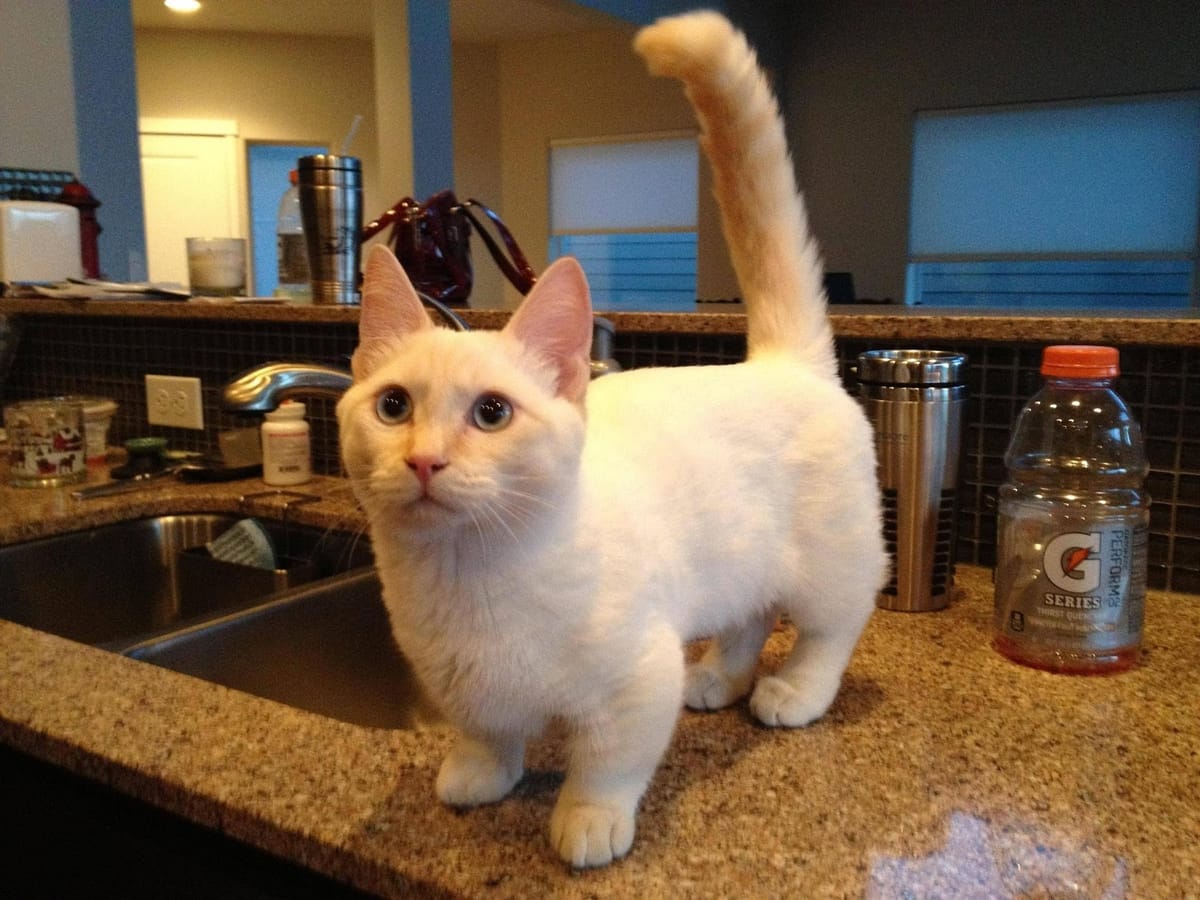
The Munchkin's short stature belies its remarkable agility and speed, making exercise a crucial aspect of their daily routine. Despite their small size, Munchkins are prone to obesity, which can exacerbate existing health issues like lordosis and arthritis. As such, providing adequate physical and mental stimulation is essential to prevent weight gain and maintain their overall well-being. Munchkins are naturally playful and curious, with a high energy level that demands regular outlets. Their short legs may not be built for long-distance running, but they can still achieve impressive speeds and agility when motivated. By understanding the Munchkin's specific exercise needs, owners can help prevent health problems and ensure their pet leads a happy, active life. A well-structured exercise routine can also help mitigate the risks associated with the Munchkin's unique physiology, such as spinal and joint issues. By incorporating a mix of physical activity and mental enrichment, owners can keep their Munchkin engaged, entertained, and healthy.
What to look for
Daily Exercise Duration
Munchkins require at least 30 minutes of moderate-intensity exercise per day, divided into shorter sessions to accommodate their short attention span. This can include playtime with toys, interactive games, or even simple activities like chasing a laser pointer. Owners should aim to provide a mix of high-energy activities and more relaxed play to keep their Munchkin engaged and prevent boredom.
Mental Enrichment
In addition to physical exercise, Munchkins need mental stimulation to prevent boredom and stress. This can be achieved through puzzle toys, scratching posts, and interactive games that challenge their problem-solving skills. Owners should rotate toys and activities regularly to keep their Munchkin engaged and interested.
Signs of Too Little Exercise
If a Munchkin is not receiving enough exercise, they may exhibit signs of lethargy, obesity, or destructive behavior. Owners should monitor their pet's weight, energy levels, and overall behavior, adjusting their exercise routine as needed to prevent these issues. A well-exercised Munchkin will be more outgoing, affectionate, and playful, with a healthier appetite and weight.
Signs of Too Much Exercise
While Munchkins need regular exercise, overexertion can be detrimental to their health. Owners should watch for signs of fatigue, such as panting, limping, or loss of interest in activities. If a Munchkin is showing signs of overexertion, owners should adjust their exercise routine to include more rest and relaxation time, ensuring their pet has time to recover and recharge.
Creating a Balanced Routine
To create a balanced exercise routine for a Munchkin, owners should aim to provide a mix of physical activity, mental enrichment, and rest. This can be achieved by setting aside dedicated time for play, providing a variety of toys and activities, and ensuring their pet has access to scratching posts, climbing structures, and other forms of environmental enrichment. By finding the right balance, owners can help their Munchkin lead a happy, healthy, and active life.
Frequently asked questions
How often should I exercise my Munchkin?
Munchkins require daily exercise, with at least 30 minutes of moderate-intensity activity per day. This can be divided into shorter sessions to accommodate their short attention span. Owners should aim to provide a mix of high-energy activities and more relaxed play to keep their Munchkin engaged and prevent boredom.
What are some suitable exercises for Munchkins?
Munchkins are well-suited to activities that challenge their agility and speed, such as chasing toys or playing interactive games. They also enjoy climbing and scratching, so owners should provide access to scratching posts and climbing structures. Puzzle toys and problem-solving games can also help provide mental enrichment and stimulation.
Can Munchkins exercise outdoors?
While Munchkins can exercise outdoors, owners should take precautions to ensure their safety. Munchkins are prone to obesity and may not be suited to long-distance running or high-impact activities. Owners should also be mindful of potential hazards, such as traffic, other animals, or extreme weather conditions, and ensure their pet is supervised at all times.
How can I tell if my Munchkin is getting enough exercise?
If a Munchkin is receiving enough exercise, they will be more outgoing, affectionate, and playful, with a healthier appetite and weight. Owners should monitor their pet's behavior, energy levels, and physical condition, adjusting their exercise routine as needed to prevent issues like lethargy, obesity, or destructive behavior.
What are the risks of overexertion in Munchkins?
Overexertion can be detrimental to a Munchkin's health, particularly given their prone to spinal and joint issues. Owners should watch for signs of fatigue, such as panting, limping, or loss of interest in activities, and adjust their exercise routine accordingly. If a Munchkin is showing signs of overexertion, owners should consult with a veterinarian to determine the best course of action and prevent long-term damage.
For Munchkin owners, providing adequate exercise and mental enrichment is crucial to preventing health problems and ensuring their pet leads a happy, active life. By understanding the Munchkin's specific needs and creating a balanced routine, owners can help their pet thrive and enjoy a long, healthy life. Prioritizing exercise and mental stimulation will have a significant impact on a Munchkin's overall well-being, and owners should make it a top priority to ensure their pet receives the care they need to flourish.
More for your Munchkin
Other breed-matched picks worth a look.