How Much Exercise Does a Russian Blue Need?
By PetEssentialist Team · Updated June 2026 · How we review
We independently research and pick every product. When you buy through our links we may earn a commission, at no extra cost to you. How this works.
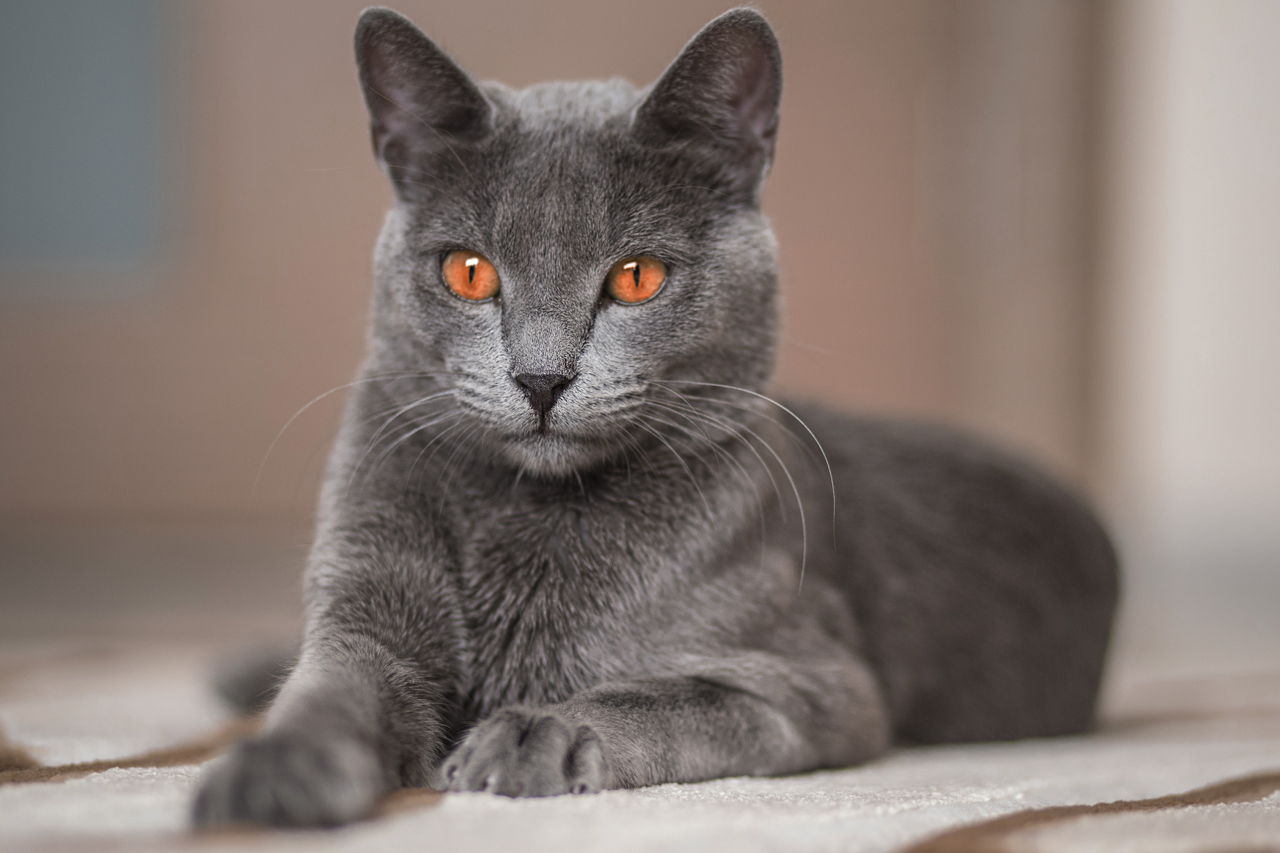
On a typical morning, a Russian Blue owner might wake up to find their cat lounging in a sunbeam, looking like a plush toy come to life. The Russian Blue's dense, silver-blue coat and reserved nature can make them seem like a low-maintenance pet, but they still require regular exercise to stay happy and healthy. As a medium-sized breed with a moderate energy level, Russian Blues need a balance of physical activity and mental stimulation to prevent boredom and obesity, a common health issue in this breed. A Russian Blue's daily routine should include a mix of playtime, exploration, and relaxation. Their gentle and loyal temperament makes them a joy to interact with, but they can be shy with strangers and may take time to warm up to new people and environments. By understanding the Russian Blue's specific needs and personality traits, owners can create a tailored exercise plan that keeps their cat engaged and active. With their moderate energy level, Russian Blues are not as demanding as some other breeds, but they still require regular exercise to stay healthy and happy. A daily routine that includes a combination of playtime, exploration, and relaxation can help prevent common health issues like obesity and bladder stones, while also keeping their coat clean and healthy.
What to look for
Playtime Duration
Russian Blues need at least 30 minutes of playtime per day, divided into shorter sessions to keep them engaged. A mix of laser pointer play, feather toys, and food puzzle toys can provide the mental stimulation they need. Owners should aim for 2-3 play sessions per day, with each session lasting around 10-15 minutes.
Activity Ideas
Russian Blues enjoy interactive toys and games that challenge their problem-solving skills. Owners can try hiding treats or kibble around the house, creating a scavenger hunt that encourages exploration and physical activity. Food puzzle toys and interactive treat dispensers are also great options for providing mental stimulation.
Signs of Too Little Exercise
If a Russian Blue is not getting enough exercise, they may become bored, lethargic, or overweight. Owners should look out for signs like excessive sleeping, lack of interest in playtime, or a decrease in appetite. If these signs are noticed, owners should increase the duration or frequency of playtime and provide more opportunities for physical activity.
Signs of Too Much Exercise
While Russian Blues need regular exercise, overexertion can be harmful. Owners should look out for signs like panting, drooling, or a rapid heart rate, and provide regular breaks and rest periods to prevent exhaustion. Russian Blues are also prone to obesity, so owners should monitor their cat's weight and adjust their exercise plan accordingly.
Creating a Routine
To create a successful exercise plan for a Russian Blue, owners should establish a daily routine that includes a mix of playtime, exploration, and relaxation. A consistent routine can help regulate the cat's appetite, sleep patterns, and overall health. Owners should also be flexible and adjust the routine as needed to keep their cat engaged and active.
Frequently asked questions
How often should I take my Russian Blue for a walk?
Russian Blues are not typically suited for outdoor walks, as they can be shy and may not enjoy the outdoors. Instead, owners can provide indoor playtime and exploration opportunities to keep their cat active and engaged.
Can Russian Blues be trained to play fetch?
While Russian Blues are intelligent and can be trained, they may not be naturally inclined to play fetch. Owners can try using positive reinforcement techniques and rewarding their cat with treats and praise to encourage playful behavior.
How can I keep my Russian Blue's coat clean and healthy?
Russian Blues have a low-maintenance coat, but they still require regular grooming to prevent matting and tangling. Owners should brush their cat's coat 1-2 times per week, and provide regular nail trimming and ear cleaning to keep their cat clean and healthy.
Can Russian Blues be left alone for long periods of time?
While Russian Blues are independent and can tolerate alone time, they still require regular attention and interaction. Owners should provide plenty of toys and stimulation to keep their cat engaged, and consider hiring a pet sitter or asking a friend to check in on their cat if they will be away for an extended period.
How can I prevent my Russian Blue from becoming obese?
To prevent obesity in Russian Blues, owners should monitor their cat's weight and adjust their exercise plan accordingly. A balanced diet and regular playtime can help maintain a healthy weight, while also providing mental stimulation and reducing the risk of boredom and related health issues.
By understanding the Russian Blue's specific exercise needs and tailoring a daily routine to their moderate energy level and gentle temperament, owners can keep their cat happy, healthy, and engaged. Prioritizing playtime, exploration, and relaxation can help prevent common health issues and keep their cat's coat clean and healthy. With patience, consistency, and the right approach, Russian Blue owners can create a fulfilling and active life for their beloved pet.
More for your Russian Blue
Other breed-matched picks worth a look.