Russian Blue
The Russian Blue is a medium cat known for being gentle, reserved, loyal.
- Size
- medium
- Weight
- 7–12 lbs
- Life span
- 15–20 yrs
- Coat
- dense plush short double
- Shedding
- moderate
- Energy
- moderate
Health to watch for
Common breed predispositions — not a diagnosis. Always consult your vet.
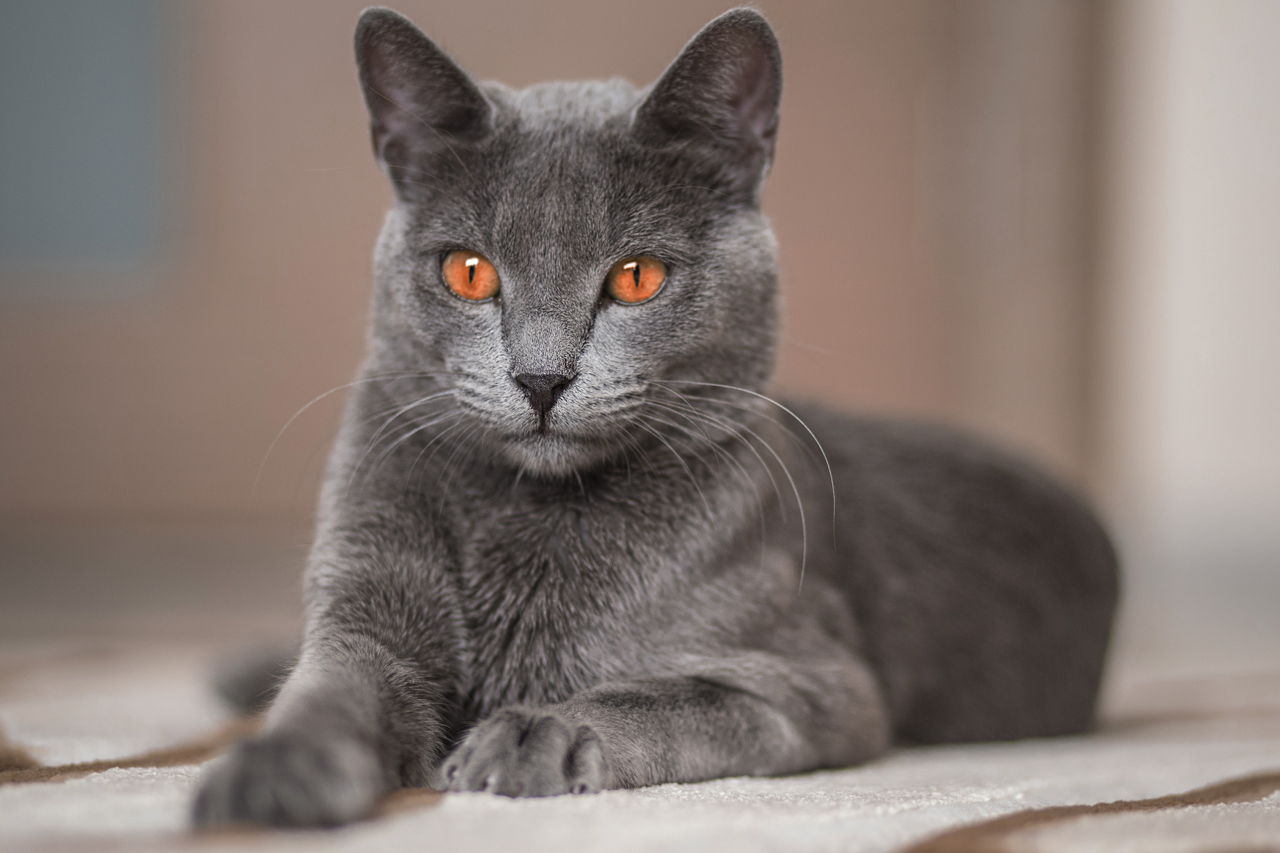
The Russian Blue's plush silver-blue double coat is not just a stunning feature, but also a key factor in their grooming needs. With a moderate shedding rate and low grooming requirements, this breed is often considered hypoallergenic, making them a great choice for owners with allergies. However, their reserved and gentle nature means they require a thoughtful and patient approach to care.
Russian Blues are known for their loyalty and quiet temperament, making them a great fit for owners who value a peaceful and affectionate companion. But with a lifespan of 15-20 years, owners must be prepared to make a long-term commitment to their care. Their moderate energy level means they need regular exercise and mental stimulation to prevent boredom and obesity.
As a medium-sized breed, Russian Blues typically weigh between 7-12 lbs, and their diet should be tailored to their size and potential health issues, such as obesity and dental disease. With the right care and attention, Russian Blues can thrive and become beloved members of the family.
Coat Care and Grooming
Russian Blues have a unique double coat that requires regular brushing to prevent matting and tangling. However, their low grooming needs mean that a weekly brushing session should suffice. It's also essential to keep their coat clean and free of dirt and debris, which can help reduce shedding and prevent skin irritation. A gentle shampoo and conditioner specifically formulated for their coat type will help maintain their distinctive silver-blue color and prevent dryness.
Exercise and Enrichment
Russian Blues have a moderate energy level, which means they require regular exercise and mental stimulation to prevent boredom and obesity. Playtime activities such as chasing toys or climbing cat trees can help keep them active and engaged. Additionally, providing puzzle toys and scratching posts can help stimulate their minds and keep them entertained.
Feeding and Nutrition
Russian Blues are prone to obesity, so it's essential to monitor their food intake and ensure they're receiving a balanced diet. A high-quality cat food that's rich in protein and low in carbohydrates will help maintain their weight and overall health. It's also crucial to limit treats and snacks, which can contribute to weight gain and dental disease.
Health and Wellness
Russian Blues are prone to certain health issues, such as bladder stones and dental disease. Regular veterinary check-ups and a healthy diet can help prevent these issues. It's also essential to keep their litter box clean and provide plenty of fresh water to help prevent urinary tract problems.
Cost and Commitment
Owning a Russian Blue requires a significant commitment of time, money, and resources. The cost of food, veterinary care, and supplies can add up quickly, and owners should be prepared to spend around $500-700 per year. Additionally, the time commitment required to care for a Russian Blue, including grooming, exercise, and playtime, can be substantial. However, for the right owner, the rewards of owning a Russian Blue far outweigh the costs.
Russian Blue FAQ
Are Russian Blues good with children?
Russian Blues are generally gentle and quiet, but they can be reserved around strangers, including children. With patience and socialization, they can learn to tolerate children, but they may not be the best fit for families with very young or energetic kids.
Do Russian Blues shed a lot?
Russian Blues have a moderate shedding rate, but their coat is known for being hypoallergenic. They shed more during seasonal changes, but regular brushing can help reduce shedding and prevent hairballs.
Can Russian Blues be left alone?
Russian Blues are not overly demanding, but they do require attention and interaction. They can be left alone for short periods, but they thrive on companionship and may become bored or anxious if left alone for extended periods.
How often should I brush my Russian Blue's coat?
Russian Blues require regular brushing to prevent matting and tangling. A weekly brushing session should suffice, but more frequent brushing may be necessary during shedding season.
Are Russian Blues prone to any specific health issues?
Russian Blues are prone to obesity, bladder stones, and dental disease. Regular veterinary check-ups, a healthy diet, and plenty of exercise and mental stimulation can help prevent these issues.
Top picks for Russian Blues
- Best Treats for Russian Blues →
- Best Dry Food for Russian Blues →
- Best Wet Food for Russian Blues →
- Best Litter for Russian Blues →
- Best Cat Trees for Russian Blues →
- Best Scratching Posts for Russian Blues →
- Best Water Fountains for Russian Blues →
- Best Litter Boxes for Russian Blues →
- Best Beds for Russian Blues →
- Best Dental Treats for Russian Blues →
- Best Toys for Russian Blues →
- Best Brushes for Russian Blues →
- Best Carriers for Russian Blues →
- Best Nail Clippers for Russian Blues →
- Best Calming Aids for Russian Blues →
- Best Harnesses for Russian Blues →