How Much Exercise Does a Savannah Need?
By PetEssentialist Team · Updated July 2026 · How we review
We independently research and pick every product. When you buy through our links we may earn a commission, at no extra cost to you. How this works.
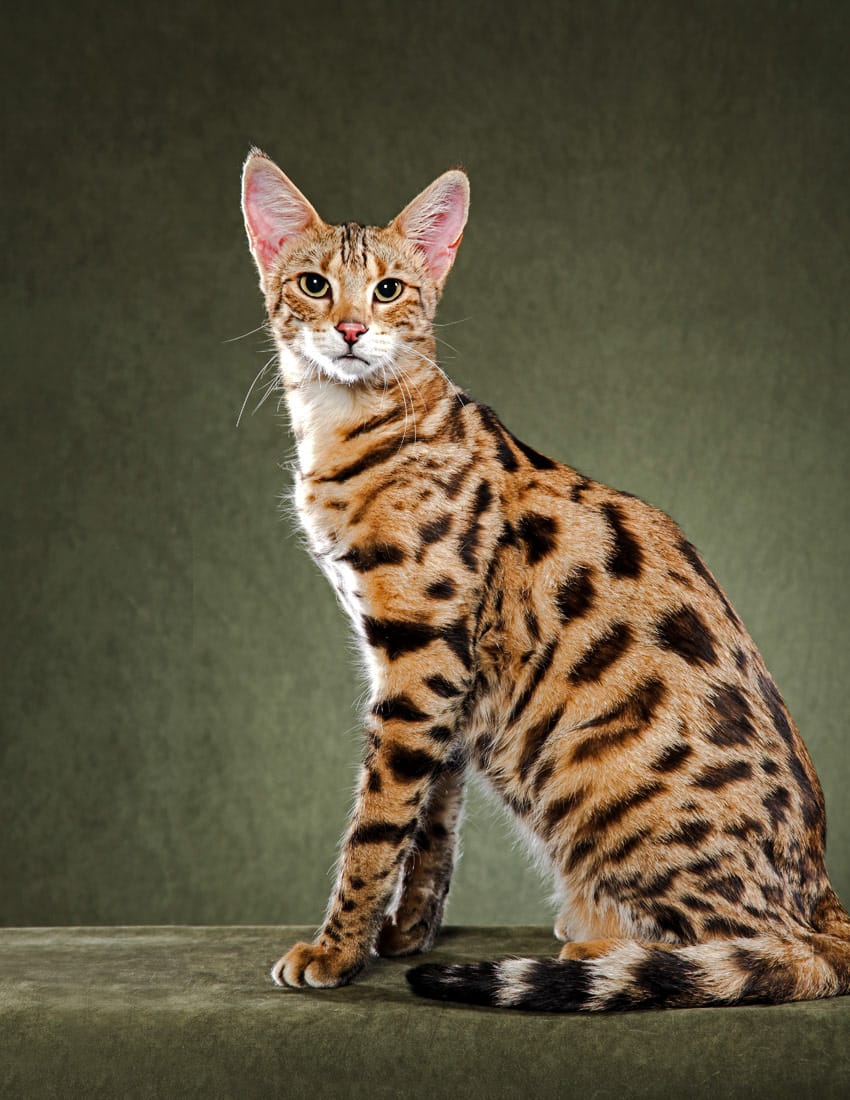
The Savannah's wild-looking appearance and dog-like behavior often belie their intense energy needs. Owners of this breed frequently find themselves struggling to provide sufficient physical and mental stimulation, leading to destructive behavior and health issues. As a hybrid breed with a short spotted coat and low shedding, the Savannah requires exercise that challenges their agility, curiosity, and adventurous spirit. With their large size and low grooming needs, Savannahs are well-suited to active owners who can provide ample space for climbing, jumping, and playing. However, their extremely high energy level and sensitivity to health issues like HCM and taurine deficiency demand a thoughtful approach to exercise and enrichment. Providing the right balance of physical activity and mental stimulation is crucial to preventing boredom, stress, and related health problems in Savannahs. A well-structured exercise routine can help Savannah owners manage their cat's energy levels, promote overall health, and strengthen their bond with their pet. By understanding the specific exercise needs of the Savannah breed, owners can create a fun and engaging environment that supports their cat's unique characteristics and promotes a happy, healthy life.
What to look for
Assess Your Savannah's Energy Level
Savannahs are naturally high-energy cats, but individual energy levels can vary. Observe your cat's behavior and adjust their exercise routine accordingly. If your Savannah seems lethargic or uninterested in play, consult with a veterinarian to rule out underlying health issues. For high-energy Savannahs, aim for at least 2-3 hours of exercise and playtime per day, divided into shorter sessions to avoid exhaustion.
Provide Vertical Space and Climbing Opportunities
Savannahs are tall, agile cats that thrive in environments with ample vertical space. Invest in cat trees, climbing walls, or shelves that allow your Savannah to climb, jump, and observe their surroundings. This will help them expend energy, exercise their muscles, and satisfy their natural curiosity.
Engage Your Savannah's Mind with Interactive Toys
Mental stimulation is just as important as physical exercise for Savannahs. Engage your cat's problem-solving skills with interactive toys, puzzle feeders, or scent games. Rotate toys regularly to prevent boredom and keep your Savannah's mind active and challenged.
Monitor Exercise Intensity and Duration
Savannahs can be prone to overexertion, especially in hot or humid environments. Monitor your cat's exercise intensity and duration, and provide regular breaks to avoid heat stress or exhaustion. Be aware of signs of overexertion, such as panting, drooling, or lethargy, and adjust their exercise routine accordingly.
Prioritize Consistency and Variety
A consistent exercise routine is essential for Savannahs, but it's equally important to vary their activities to prevent boredom. Mix up their playtime with different toys, games, and environments to keep them engaged and stimulated. Aim for a balance between structured exercise and free play to support your Savannah's physical and mental well-being.
Frequently asked questions
How much exercise does a Savannah cat need per day?
Savannahs require at least 2-3 hours of exercise and playtime per day, divided into shorter sessions to avoid exhaustion. However, individual energy levels can vary, so it's essential to observe your cat's behavior and adjust their exercise routine accordingly.
Can Savannahs be trained to walk on a leash?
Yes, Savannahs can be trained to walk on a leash, but it requires patience, consistency, and positive reinforcement. Start with short sessions and gradually increase the duration and distance to help your Savannah become comfortable with the leash.
What are the signs of overexertion in Savannahs?
Signs of overexertion in Savannahs include panting, drooling, lethargy, and loss of appetite. If you notice any of these symptoms, stop the exercise session immediately and provide a cool, quiet space for your cat to rest and recover.
Can Savannahs play with small dogs or other pets?
Savannahs can play with small dogs or other pets, but it's crucial to socialize them properly and monitor their interactions. Savannahs are naturally curious and energetic, so they may accidentally injure smaller pets if not supervised. Introduce them slowly and under controlled circumstances to ensure a harmonious multi-pet household.
How can I provide mental stimulation for my Savannah cat?
Provide mental stimulation for your Savannah cat with interactive toys, puzzle feeders, scent games, or food puzzle toys. Rotate toys regularly to prevent boredom and keep your Savannah's mind active and challenged. You can also try hiding treats or kibble around the house to encourage problem-solving and exploration.
To meet the high energy demands of your Savannah cat, prioritize a balanced exercise routine that includes physical activity, mental stimulation, and vertical space for climbing and exploration. By providing a fun and engaging environment that supports their unique characteristics, you can promote your Savannah's overall health, happiness, and well-being. Consult with a veterinarian or animal behaviorist to create a customized exercise plan that suits your Savannah's individual needs and energy level.
More for your Savannah
Other breed-matched picks worth a look.