How Much Exercise Does a Shetland Sheepdog Need?
By PetEssentialist Team · Updated July 2026 · How we review
We independently research and pick every product. When you buy through our links we may earn a commission, at no extra cost to you. How this works.
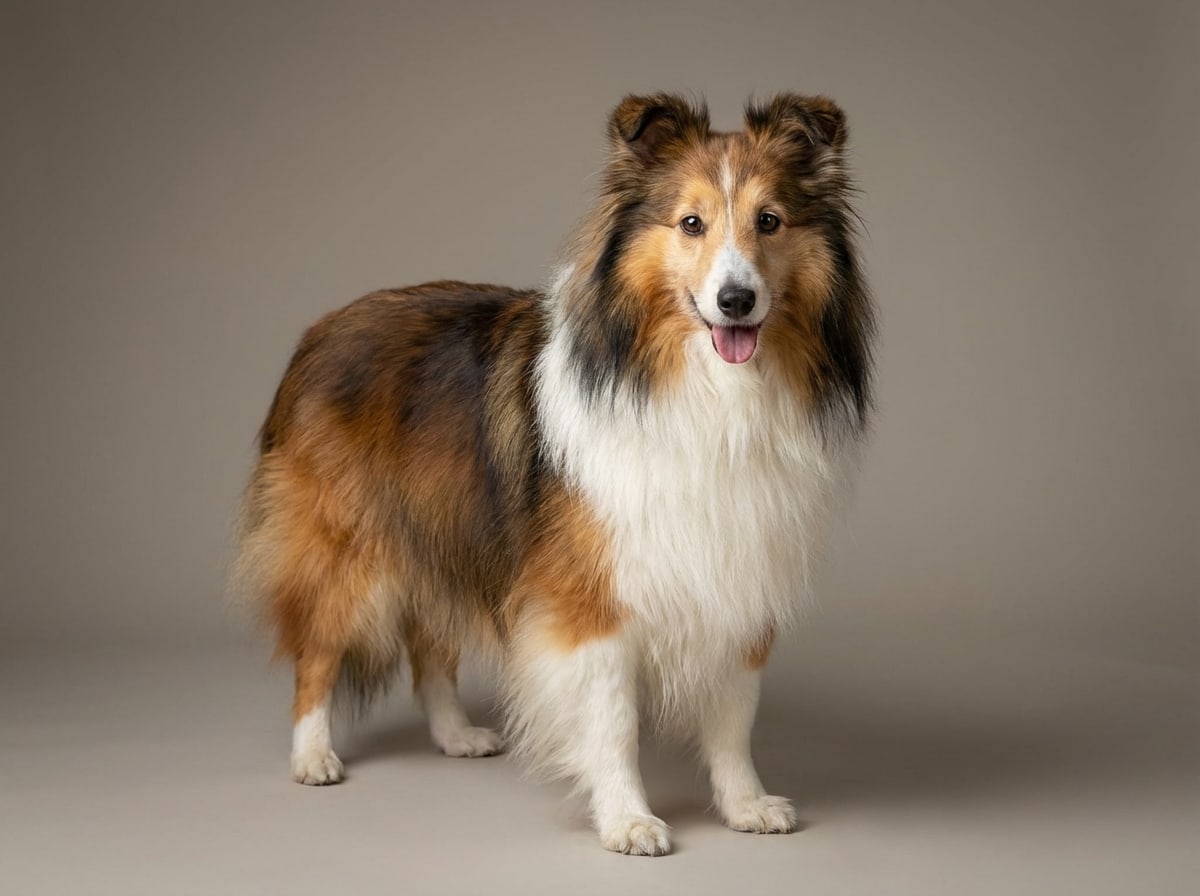
Despite their small size, Shetland Sheepdogs require a significant amount of exercise to burn off their high energy levels. In fact, they need at least 1-2 hours of physical and mental stimulation per day to prevent boredom, stress, and destructive behavior. Their long double coat, which sheds heavily, also requires regular grooming to prevent matting and tangling, making them a high-maintenance breed. As a highly trainable and sensitive breed, Shetland Sheepdogs thrive on structure, consistency, and positive reinforcement, making them a great fit for active owners who can provide the necessary exercise, training, and attention
What to look for
Daily Exercise Routine
Shetland Sheepdogs need a daily exercise routine that includes a combination of physical activity and mental stimulation. A 30-minute walk or jog, followed by 30 minutes of playtime, such as fetch or agility training, is a good starting point. They also enjoy interactive toys and puzzle games that challenge their problem-solving skills. Owners should aim to provide at least 1-2 hours of exercise and mental stimulation per day, divided into shorter sessions to prevent exhaustion
Mental Enrichment
Mental enrichment is crucial for Shetland Sheepdogs, as they are highly intelligent and easily bored. Owners can provide mental stimulation through obedience training, scent work, or simply hiding treats or toys around the house. This will help keep their minds active and prevent destructive behavior. A consistent training schedule and positive reinforcement techniques are essential for this breed
Signs of Too Little Exercise
Shetland Sheepdogs that do not receive enough exercise may exhibit signs of boredom, stress, and destructive behavior, such as excessive barking, chewing, or digging. They may also become overweight or obese, which can lead to a range of health problems, including hip dysplasia and eye conditions. Owners should monitor their dog's behavior and adjust their exercise routine accordingly
Signs of Too Much Exercise
On the other hand, Shetland Sheepdogs that receive too much exercise may become exhausted, leading to injuries or illnesses. Owners should watch for signs of fatigue, such as panting, limping, or loss of appetite, and adjust their exercise routine to prevent overexertion. It is also essential to provide regular breaks and rest periods to allow their dog to recover
Age and Health Considerations
Shetland Sheepdogs have specific health considerations, such as hip dysplasia and eye conditions, that should be taken into account when developing an exercise routine. Puppies, for example, should not engage in high-impact activities, such as jumping or running, until they are at least 12 months old. Older dogs may require more gentle exercise, such as short walks or playtime, to prevent exacerbating existing health conditions. Owners should consult with their veterinarian to determine the best exercise routine for their dog based on their age, health, and individual needs
Frequently asked questions
How often should I walk my Shetland Sheepdog?
Shetland Sheepdogs need at least one 30-minute walk per day, but they can benefit from more frequent, shorter walks. The key is to provide a consistent routine that includes a combination of physical activity and mental stimulation
Can Shetland Sheepdogs be left alone for long periods?
Shetland Sheepdogs are social dogs that thrive on interaction and attention. They should not be left alone for long periods, as this can lead to boredom, stress, and destructive behavior. If owners must leave their dog alone, they should provide plenty of toys, treats, and puzzle games to keep them occupied
How much training does a Shetland Sheepdog need?
Shetland Sheepdogs are highly trainable and respond well to positive reinforcement techniques. They require consistent training and socialization from an early age to develop good behavior and prevent problems. Owners should aim to provide at least 30 minutes of training per day, divided into shorter sessions
What are the signs of exhaustion in Shetland Sheepdogs?
Signs of exhaustion in Shetland Sheepdogs include panting, limping, loss of appetite, and lethargy. Owners should watch for these signs and adjust their exercise routine accordingly to prevent overexertion
Can Shetland Sheepdogs adapt to apartment living?
Shetland Sheepdogs can adapt to apartment living if they receive regular exercise and mental stimulation. However, they do require daily walks and playtime, and owners should ensure they have access to a secure, fenced area for off-leash exercise. With proper care and attention, Shetland Sheepdogs can thrive in apartment living situations
To keep their Shetland Sheepdog happy and healthy, owners should prioritize providing a consistent daily exercise routine that includes a combination of physical activity and mental stimulation. By doing so, they can help prevent boredom, stress, and destructive behavior, and ensure their dog leads a long, healthy life. Regular grooming and veterinary check-ups are also essential to prevent health problems and address any issues early on
More for your Shetland Sheepdog
Other breed-matched picks worth a look.