How Much to Feed a Akita
By PetEssentialist Team · Updated June 2026 · How we review
We independently research and pick every product. When you buy through our links we may earn a commission, at no extra cost to you. How this works.
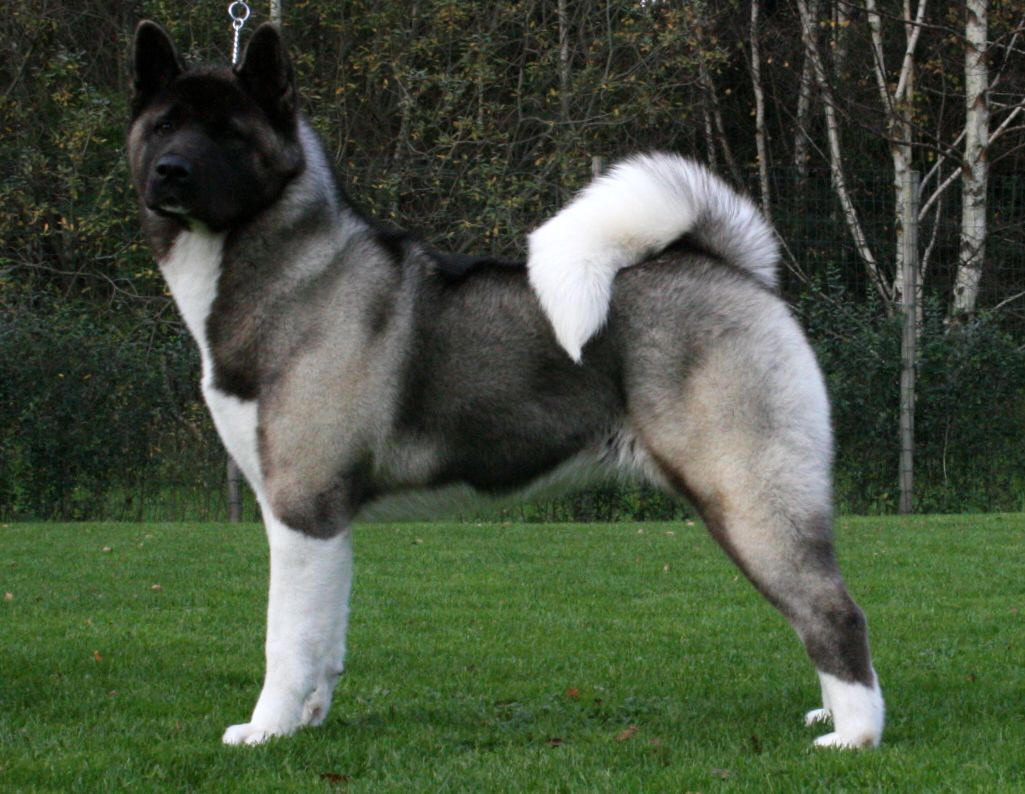
Akitas are prone to bloat, a life-threatening condition that can be triggered by eating too much or too quickly. This highlights the importance of careful feeding practices for this breed. The Akita's thick double coat and moderate energy level also require a balanced diet that meets their nutritional needs. As a giant breed, Akitas can weigh between 70-130 pounds, and their dignified and independent nature means they may be prone to overeating if not monitored. With a lifespan of 10-13 years, it's crucial to establish healthy feeding habits from an early age to prevent common health issues like hip dysplasia and hypothyroidism. To ensure your Akita maintains a healthy weight, it's essential to consider their age, weight, and activity level when determining portion sizes and meal frequency. By doing so, you can help prevent obesity and related health problems, while also supporting their overall well-being.
What to look for
Age-Based Feeding
Akitas have different nutritional needs at various stages of their life. Puppies require more frequent meals and a higher caloric intake to support growth and development. Adult Akitas, on the other hand, need a balanced diet that maintains their weight and supports their moderate energy level. Senior Akitas may require fewer calories and more frequent, smaller meals to prevent obesity and support joint health.
Weight-Based Feeding
Akitas' weight plays a significant role in determining their feeding needs. Underweight Akitas may require more calories to support weight gain, while overweight Akitas need a calorie-restricted diet to promote weight loss. It's essential to monitor your Akita's weight regularly and adjust their feeding schedule accordingly to prevent obesity and related health issues.
Activity Level-Based Feeding
Akitas' activity level also impacts their feeding needs. Highly active Akitas require more calories to support their energy expenditure, while less active Akitas need fewer calories to prevent weight gain. It's crucial to assess your Akita's activity level and adjust their feeding schedule accordingly to ensure they receive the necessary nutrients for optimal health.
Portion Control and Meal Frequency
Akitas are prone to overeating, so it's essential to control portion sizes and meal frequency. Feed your Akita 2-3 times a day, and divide their daily ration into smaller meals to prevent gobbling and reduce the risk of bloat. Monitor your Akita's food intake and adjust portion sizes as needed to maintain a healthy weight.
Adjusting Feeding Schedules
As your Akita grows and matures, their feeding needs will change. Regularly monitor your Akita's weight, body condition, and overall health, and adjust their feeding schedule accordingly. Consult with your veterinarian to determine the best feeding schedule for your Akita based on their individual needs and health status.
Frequently asked questions
How often should I feed my Akita puppy?
Akita puppies require more frequent meals, typically 3-4 times a day, to support growth and development. As they mature, you can gradually reduce the frequency of meals to 2-3 times a day.
What is the ideal weight range for an Akita?
The ideal weight range for an Akita is between 70-130 pounds, depending on their age, sex, and muscle tone. Monitor your Akita's weight regularly and adjust their feeding schedule accordingly to prevent obesity and related health issues.
Can I free-feed my Akita?
No, it's not recommended to free-feed your Akita, as they can be prone to overeating. Instead, feed your Akita 2-3 times a day, and divide their daily ration into smaller meals to prevent gobbling and reduce the risk of bloat.
How can I prevent my Akita from becoming overweight?
To prevent your Akita from becoming overweight, monitor their food intake, control portion sizes, and adjust their feeding schedule accordingly. Regular exercise and mental stimulation can also help maintain a healthy weight and prevent obesity.
What are the signs of obesity in Akitas?
Signs of obesity in Akitas include a visible belly, excess fat around the ribs and spine, and difficulty moving or exercising. If you suspect your Akita is overweight, consult with your veterinarian to determine the best course of action and develop a weight loss plan.
To keep your Akita healthy and thriving, it's essential to establish a balanced feeding schedule that meets their nutritional needs based on their age, weight, and activity level. By monitoring their weight, controlling portion sizes, and adjusting their feeding schedule accordingly, you can help prevent obesity and related health issues, while also supporting their overall well-being. Consult with your veterinarian to determine the best feeding schedule for your Akita and ensure they receive the necessary nutrients for optimal health.
More for your Akita
Other breed-matched picks worth a look.