Akita
The Akita is a giant dog known for being dignified, courageous, loyal.
- Size
- giant
- Weight
- 70–130 lbs
- Life span
- 10–13 yrs
- Coat
- thick double
- Shedding
- high
- Energy
- moderate
Health to watch for
Common breed predispositions — not a diagnosis. Always consult your vet.
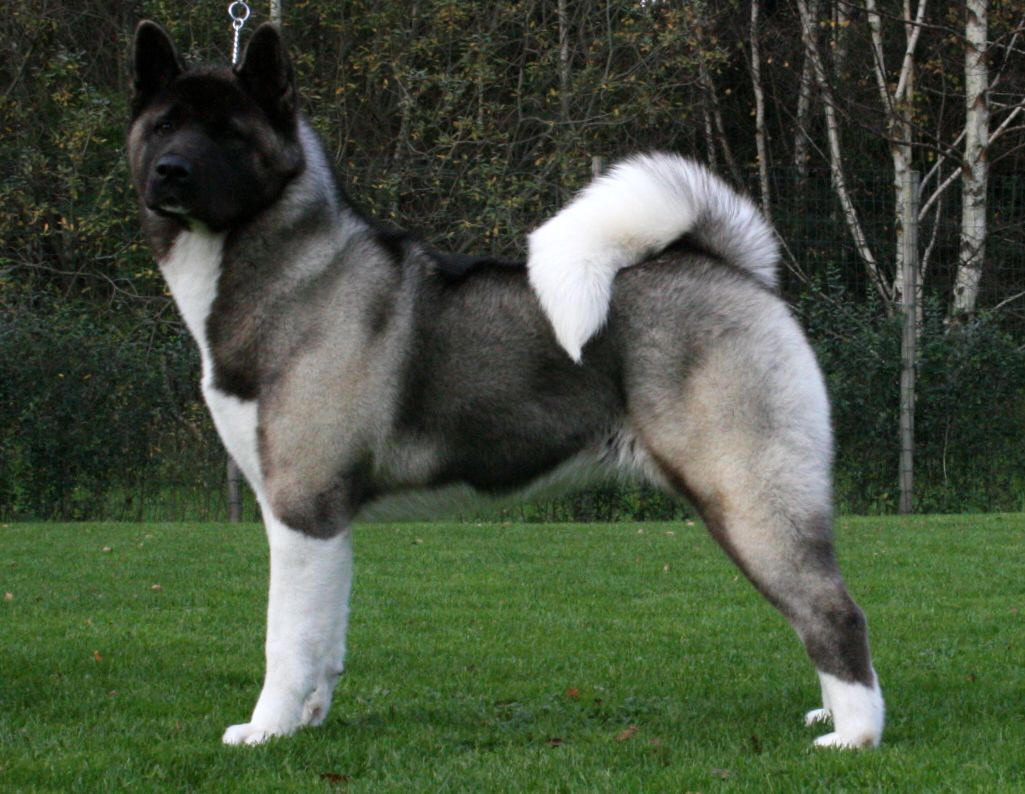
Despite their thick double coat, Akitas are surprisingly clean dogs and often groom themselves like cats. However, this trait can also make them prone to matting and tangling, particularly during shedding season.
Akitas are known for their dignified and courageous nature, but they can also be independent and strong-willed, making consistent training and socialization crucial from an early age. With proper care and attention, Akitas can thrive as loyal and loving companions.
As a giant breed with a moderate energy level, Akitas require regular exercise and mental stimulation to prevent boredom and destructive behavior, but they are not high-strung and can adapt to a variety of living situations, from apartments to homes with yards.
Grooming
Akitas require moderate grooming to prevent matting and tangling, particularly during shedding season. A slicker brush or pin brush can help to detangle their coat, while a deshedding tool can reduce shedding and prevent hair from getting everywhere. Regular grooming can also help to strengthen the bond between dog and owner, and reduce the risk of skin irritation and infection.
Exercise and Enrichment
Akitas need regular exercise to stay happy and healthy, but they are not high-energy dogs and can adapt to a variety of living situations. Daily walks and playtime can help to burns off energy and provide mental stimulation, while interactive toys and puzzle games can challenge their problem-solving skills and prevent boredom.
Feeding
Akitas are prone to certain health issues, such as hip dysplasia and bloat, which can be exacerbated by overfeeding or poor nutrition. A high-quality dog food that is rich in protein and moderate in fat can help to support their growth and development, while avoiding overfeeding can reduce the risk of obesity and related health problems.
Health
Akitas are prone to certain health issues, such as hip dysplasia, hypothyroidism, and eye conditions, which can be costly and time-consuming to manage. Regular veterinary check-ups and preventative care, such as vaccinations and parasite control, can help to identify potential health problems early on, and reduce the risk of complications and costly treatments.
Cost and Commitment
Akitas can be a significant investment, particularly when it comes to their health and well-being. With a lifespan of 10-13 years, Akitas require a long-term commitment to care and attention, and owners should be prepared to budget for regular veterinary check-ups, preventative care, and potential health problems.
Akita FAQ
How often should I groom my Akita?
Akitas require regular grooming to prevent matting and tangling, particularly during shedding season. It's recommended to brush their coat at least 2-3 times a week, and to use a deshedding tool to reduce shedding and prevent hair from getting everywhere.
Can Akitas live in apartments?
Yes, Akitas can adapt to apartment living, but they do require regular exercise and mental stimulation to prevent boredom and destructive behavior. Daily walks and playtime can help to burn off energy, while interactive toys and puzzle games can challenge their problem-solving skills.
What health issues are Akitas prone to?
Akitas are prone to certain health issues, such as hip dysplasia, hypothyroidism, and eye conditions, which can be costly and time-consuming to manage. Regular veterinary check-ups and preventative care, such as vaccinations and parasite control, can help to identify potential health problems early on, and reduce the risk of complications and costly treatments.
How much exercise does an Akita need?
Akitas need regular exercise to stay happy and healthy, but they are not high-energy dogs. Daily walks and playtime can help to burn off energy, while interactive toys and puzzle games can challenge their problem-solving skills and prevent boredom.
Can Akitas be left alone for long periods?
Akitas are social dogs and prefer to be with their owners, but they can adapt to being left alone for short periods. However, it's essential to provide them with plenty of exercise, mental stimulation, and attention before leaving them alone to prevent boredom and destructive behavior.
Top picks for Akitas
- Best Treats for Akitas →
- Best Food for Akitas →
- Best Dental Chews for Akitas →
- Best Crates for Akitas →
- Best Beds for Akitas →
- Best Harnesses for Akitas →
- Best Toys for Akitas →
- Best Collars for Akitas →
- Best Brushes for Akitas →
- Best Leashes for Akitas →
- Best Nail Clippers for Akitas →
- Best Shampoo for Akitas →
- Best Chew Toys for Akitas →
- Best Cooling Mats for Akitas →
- Best Jackets & Coats for Akitas →
- Best Ear Cleaners for Akitas →
- Best Joint Supplements for Akitas →
- Best Training Pads for Akitas →