How Much to Feed a Basenji
By PetEssentialist Team · Updated July 2026 · How we review
We independently research and pick every product. When you buy through our links we may earn a commission, at no extra cost to you. How this works.
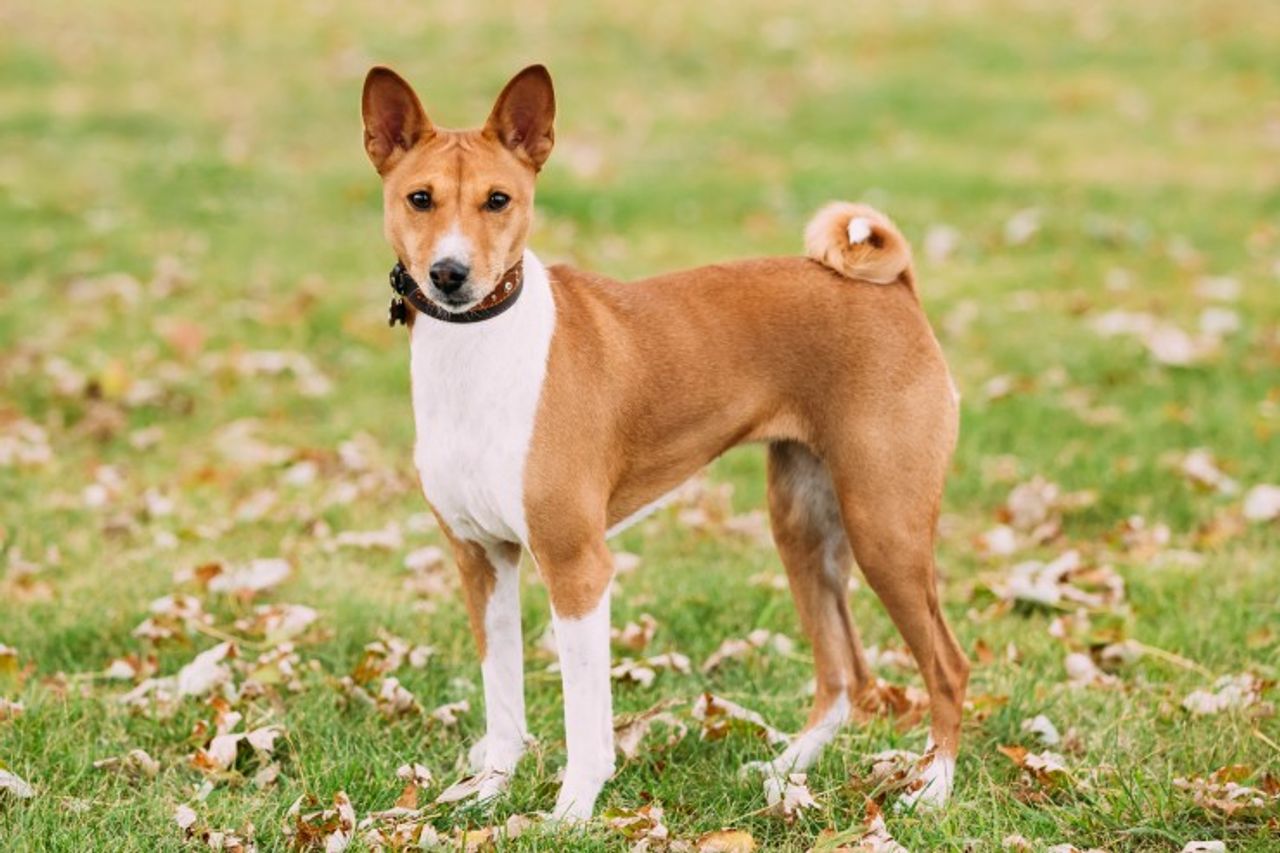
The Basenji's unique, catlike nature often leads owners to wonder if their feeding needs are equally distinct. Given their short, fine coat and low shedding, Basenjis require a diet that supports their high energy level without overfeeding. With a typical weight range of 22-24 pounds, Basenjis are considered a small breed, but their independent and curious temperament demands a feeding approach that balances nutrients with physical and mental stimulation. A key consideration for Basenji owners is the breed's predisposition to certain health issues, such as Fanconi syndrome and hypothyroidism, which can impact their dietary needs. Understanding how to feed a Basenji requires a deep dive into their specific attributes, from their energetic lifestyle to their potential health challenges. By tailoring their diet to these factors, owners can help their Basenji thrive. For Basenjis, the adage 'you are what you eat' holds particularly true, given their fastidious nature and the importance of maintaining a healthy weight to prevent exacerbating common health issues.
What to look for
Calculate Daily Caloric Needs
Basenjis require a balanced diet that meets their high energy needs without overfeeding. Their daily caloric intake should be calculated based on their weight, age, and activity level. For example, a young, active Basenji may require more calories than a senior Basenji. Owners should consult with their veterinarian to determine the ideal caloric intake for their Basenji.
Choose the Right Food Type
Given their short, fine coat and low shedding, Basenjis do not require a specific coat-type related diet. However, their high energy level and potential health issues mean they benefit from a nutrient-rich food that supports their overall health. Owners should look for a high-quality dog food that is rich in protein and moderate in fat, with added nutrients to support joint health and immune function.
Determine Meal Frequency and Portion Sizes
Basenjis are prone to overeating due to their independent and curious nature, which can lead to obesity and exacerbate health issues. To prevent this, owners should establish a regular feeding schedule, dividing their Basenji's daily caloric intake into 2-3 meals. Portion sizes should be adjusted based on the Basenji's age, weight, and activity level, with a focus on maintaining a healthy weight.
Monitor and Adjust
Basenjis' dietary needs can change over time due to factors such as age, health, and activity level. Owners should regularly monitor their Basenji's weight, body condition, and overall health, adjusting their diet as needed to prevent overfeeding or underfeeding. Regular veterinary check-ups can help owners stay on track and make adjustments to their Basenji's diet as necessary.
Consider Health Issues
Basenjis are prone to certain health issues, such as Fanconi syndrome and hypothyroidism, which can impact their dietary needs. Owners should work closely with their veterinarian to develop a diet plan that takes into account their Basenji's specific health needs and prevents exacerbating these conditions.
Frequently asked questions
How often should I feed my Basenji?
The frequency of meals for a Basenji depends on their age, weight, and activity level. Generally, Basenjis should be fed 2-3 times a day, with portion sizes adjusted accordingly. Puppies may require more frequent meals, while senior Basenjis may require fewer.
What is the ideal weight for a Basenji?
The ideal weight for a Basenji is between 22-24 pounds, depending on their age, sex, and muscle tone. Owners should aim to maintain a healthy weight for their Basenji to prevent obesity and related health issues.
Can Basenjis be fed a raw diet?
While some owners choose to feed their Basenjis a raw diet, it is essential to consult with a veterinarian before making this decision. A raw diet can be beneficial for Basenjis, but it requires careful planning and monitoring to ensure they receive all necessary nutrients.
How can I prevent my Basenji from overeating?
To prevent overeating, owners should establish a regular feeding schedule and monitor their Basenji's food intake closely. Measuring out portion sizes and avoiding overfeeding can help prevent obesity and related health issues.
What are the signs of a healthy weight in a Basenji?
A healthy weight in a Basenji is indicated by a visible waistline, a slight tuck of the abdomen, and a body condition score of 4-5. Owners should regularly monitor their Basenji's weight and body condition, consulting with their veterinarian if they have concerns.
For Basenji owners, the key to a healthy and thriving pet lies in a tailored feeding approach that balances their high energy level, potential health issues, and independent nature. By calculating daily caloric needs, choosing the right food type, determining meal frequency and portion sizes, monitoring and adjusting, and considering health issues, owners can provide their Basenji with the optimal diet for a long and healthy life. Consult with a veterinarian to determine the best feeding strategy for your Basenji.
More for your Basenji
Other breed-matched picks worth a look.