How Much to Feed a Bengal
By PetEssentialist Team · Updated June 2026 · How we review
We independently research and pick every product. When you buy through our links we may earn a commission, at no extra cost to you. How this works.
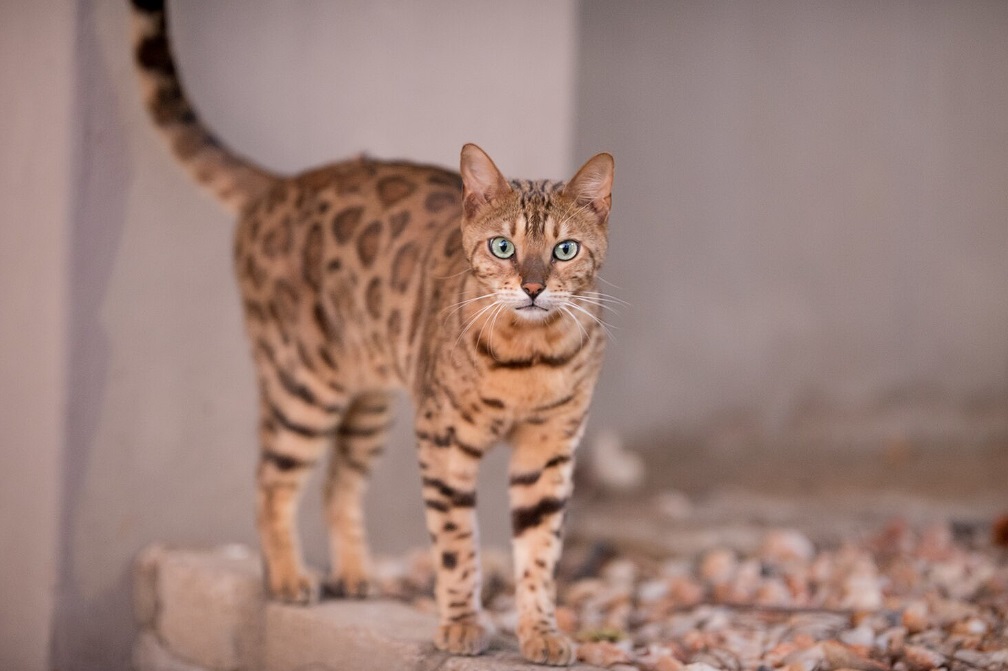
A Bengal cat's day begins at dawn, with a burst of energetic playtime that can leave even the most seasoned owner breathless. As the sun rises, their curious nature takes over, driving them to explore every nook and cranny of their territory. With their short, sleek coat and athletic build, it's clear that Bengals are built for action, not idleness. To fuel their high-octane lifestyle, Bengals require a diet rich in protein and carefully calibrated to their age, weight, and activity level. A well-fed Bengal is a happy and healthy one, with a shiny coat and a playful sparkle in their eye. However, getting the feeding balance right can be tricky, especially for new owners. Bengal cats are prone to sensitive stomachs, and their wild-looking ancestry demands a diet that's as close to nature as possible. With the right approach, owners can unlock their Bengal's full potential and enjoy a lifelong companionship with their energetic and affectionate pet.
What to look for
Kittenhood Feeding
Bengal kittens require frequent, small meals to support their rapid growth and development. Owners should aim for 3-4 meals per day, with a high-protein kibble or wet food that's rich in meat or fish. As the kitten grows, the meal frequency can be gradually reduced to twice a day. It's essential to monitor the kitten's weight and adjust the portion sizes accordingly to prevent overfeeding or underfeeding.
Adult Feeding
Adult Bengal cats are naturally athletic and require a diet that supports their high energy levels. A balanced mix of protein, fat, and complex carbohydrates is essential, with a focus on whole meats and minimal fillers. Owners should aim for 2-3 meals per day, with portion sizes adjusted according to the cat's weight and activity level. For example, a highly active Bengal may require more calories than a less active one.
Weight Management
Bengal cats can be prone to weight gain, especially if they're not getting enough exercise or mental stimulation. Owners should monitor their cat's weight regularly and adjust the feeding portion sizes accordingly. A good rule of thumb is to feed a Bengal cat 2-3% of their body weight per day, divided into 2-3 meals. For example, a 10-pound Bengal cat would require 0.2-0.3 pounds of food per day.
Sensitive Stomach Considerations
Bengal cats are known for their sensitive stomachs, which can be prone to upset if they're fed the wrong food. Owners should look for foods that are easy to digest and rich in omega-3 fatty acids, which can help to reduce inflammation and support overall health. A gradual transition to a new food is also essential to prevent digestive upset.
Adjusting Feeding Portion Sizes
As Bengal cats age or their activity level changes, their feeding portion sizes may need to be adjusted. Owners should monitor their cat's weight and adjust the feeding portion sizes accordingly. For example, a senior Bengal cat may require fewer calories than a younger one, while a highly active Bengal may require more calories to support their energy needs.
Frequently asked questions
How often should I feed my Bengal cat?
The frequency of feeding a Bengal cat depends on their age and activity level. Kittens require 3-4 meals per day, while adult Bengals can thrive on 2-3 meals per day. However, the portion sizes and meal frequency may need to be adjusted based on the individual cat's needs and activity level.
What is the best type of food for my Bengal cat?
Bengal cats require a high-protein diet that's rich in meat or fish. Whole meats and minimal fillers are essential, and owners should look for foods that are easy to digest and rich in omega-3 fatty acids. A balanced mix of protein, fat, and complex carbohydrates is also crucial to support their high energy levels.
How much should I feed my Bengal cat?
The amount of food a Bengal cat requires depends on their weight and activity level. A good rule of thumb is to feed a Bengal cat 2-3% of their body weight per day, divided into 2-3 meals. For example, a 10-pound Bengal cat would require 0.2-0.3 pounds of food per day.
Can I free-feed my Bengal cat?
Free-feeding is not recommended for Bengal cats, as they can be prone to overeating and weight gain. Instead, owners should feed their Bengal cat at set times and monitor their food intake to ensure they're getting the right amount of nutrients. This approach also helps to prevent digestive upset and supports overall health.
How can I prevent my Bengal cat from getting overweight?
To prevent a Bengal cat from getting overweight, owners should monitor their cat's weight regularly and adjust the feeding portion sizes accordingly. A balanced diet that's rich in protein and low in carbohydrates is essential, and owners should also ensure their cat is getting enough exercise and mental stimulation to support their high energy levels.
Feeding a Bengal cat requires a thoughtful and tailored approach that takes into account their age, weight, and activity level. By providing a high-protein diet, monitoring their weight, and adjusting the feeding portion sizes accordingly, owners can support their Bengal cat's overall health and well-being. For owners who want to provide the best possible nutrition for their Bengal cat, a high-quality commercial food or a balanced homemade diet that's rich in whole meats and minimal fillers is the way to go.
More for your Bengal
Other breed-matched picks worth a look.