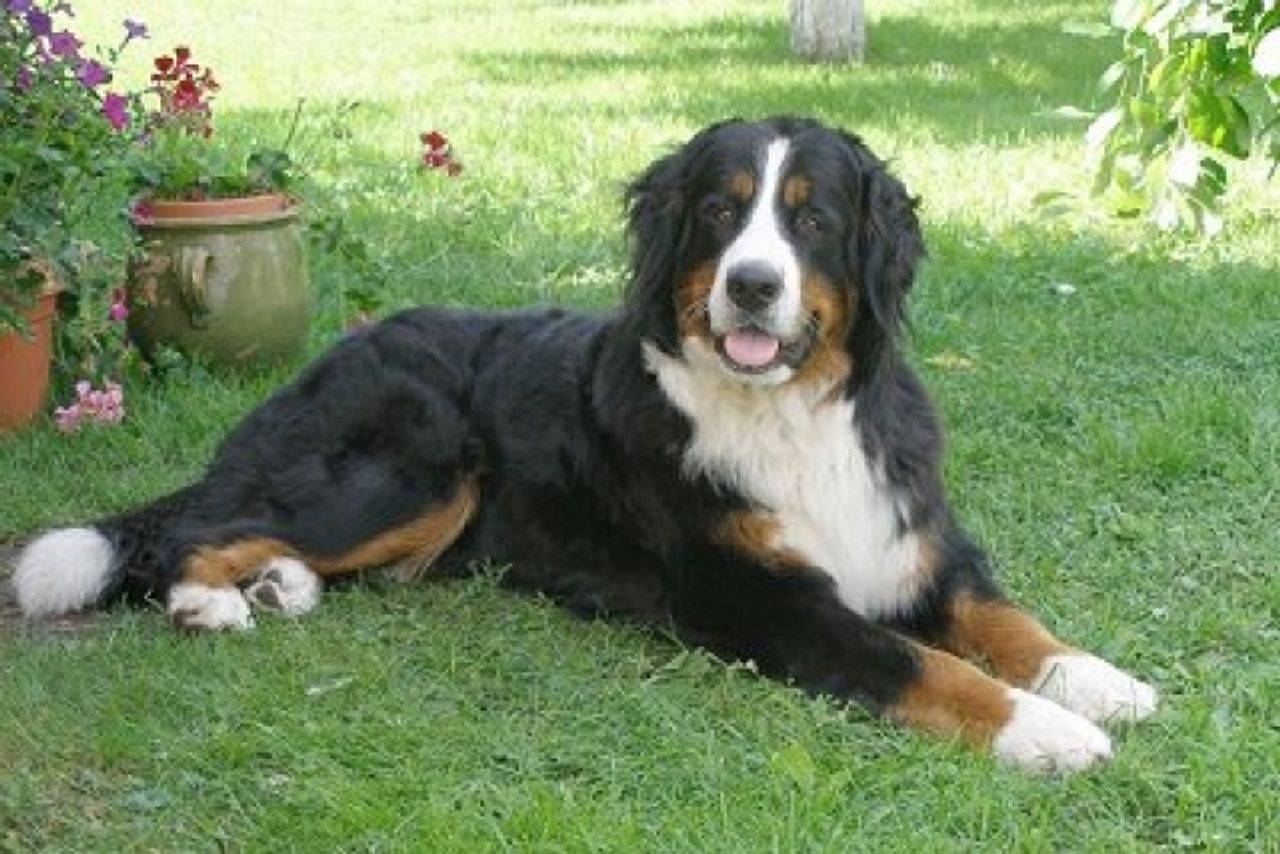
How Much to Feed a Bernese Mountain Dog
By PetEssentialist Team · Updated June 2026 · How we review
We independently research and pick every product. When you buy through our links we may earn a commission, at no extra cost to you. How this works.
Feeding a Bernese Mountain Dog requires careful consideration of their giant size, thick double coat, and moderate energy level. A balanced diet is crucial to maintain their overall health and prevent common issues such as hip dysplasia and bloat. The breed's high shedding and grooming needs also play a role in their nutritional requirements, as they need a diet that supports skin and coat health. Bernese Mountain Dogs are prone to obesity, which can exacerbate existing health issues, making it essential to monitor their food intake and adjust their diet accordingly. A good feeding plan should take into account the dog's age, weight, and activity level to ensure they receive the necessary nutrients for optimal health. Owners of Bernese Mountain Dogs should be prepared to invest time and effort into their dog's feeding and grooming needs, but with the right guidance, they can help their dog thrive and enjoy a long, healthy life.
What to look for
Puppy Feeding (0-12 months)
Puppies need to be fed 3-4 times a day, with portions adjusted according to their rapid growth. It's essential to choose a high-quality puppy food that supports their development and meets their nutritional needs. Owners should monitor their puppy's weight and adjust their food intake to prevent overfeeding, which can lead to obesity and other health issues.
Adult Feeding (1-7 years)
Adult Bernese Mountain Dogs need to be fed 2 times a day, with portion sizes based on their weight and activity level. They require a balanced diet that includes protein, fat, and complex carbohydrates to maintain their overall health and support their skin and coat. Owners should also consider adding supplements to their dog's diet, such as omega-3 fatty acids, to support joint health and reduce the risk of hip dysplasia.
Senior Feeding (8+ years)
As Bernese Mountain Dogs age, their nutritional needs change, and they may require a senior dog food that is easier to digest. Senior dogs may also need to be fed smaller, more frequent meals to prevent bloat and other digestive issues. Owners should work with their veterinarian to determine the best diet for their senior dog and make adjustments as needed to ensure they receive the necessary nutrients for optimal health.
Adjusting Portion Sizes
To keep their Bernese Mountain Dog at a healthy weight, owners need to adjust their dog's portion sizes based on their activity level and weight. For example, a dog that is highly active may require more food to support their energy needs, while a less active dog may need less food to prevent obesity. Owners should also monitor their dog's weight and adjust their food intake accordingly to prevent overfeeding or underfeeding.
Meal Frequency and Timing
The frequency and timing of meals can also impact a Bernese Mountain Dog's health and digestion. For example, feeding a dog before or after exercise can help prevent bloat, while feeding a dog at the same time every day can help regulate their digestive system. Owners should work with their veterinarian to determine the best feeding schedule for their dog and make adjustments as needed to ensure optimal health.
Frequently asked questions
How often should I feed my Bernese Mountain Dog?
The frequency of feeding depends on the dog's age, weight, and activity level. Puppies need to be fed 3-4 times a day, while adult dogs can be fed 2 times a day. Senior dogs may need to be fed smaller, more frequent meals to prevent digestive issues.
What is the ideal weight for a Bernese Mountain Dog?
The ideal weight for a Bernese Mountain Dog depends on their age, sex, and size. On average, a male Bernese Mountain Dog should weigh between 100-120 pounds, while a female should weigh between 80-100 pounds. Owners should work with their veterinarian to determine their dog's ideal weight and develop a plan to achieve and maintain it.
Can I feed my Bernese Mountain Dog a raw diet?
While some owners choose to feed their Bernese Mountain Dog a raw diet, it's essential to consult with a veterinarian before making any changes to their dog's diet. A raw diet can be beneficial for some dogs, but it may not provide all the necessary nutrients for optimal health, and owners need to ensure they are providing a balanced and complete diet.
How can I prevent my Bernese Mountain Dog from becoming overweight?
Preventing obesity in Bernese Mountain Dogs requires careful monitoring of their food intake and adjusting their portion sizes based on their activity level and weight. Owners should also ensure their dog is getting enough exercise and mental stimulation to prevent overeating due to boredom or stress.
What are the signs of nutritional deficiency in Bernese Mountain Dogs?
Signs of nutritional deficiency in Bernese Mountain Dogs can include dry, flaky skin, dull coat, and increased shedding. Other signs may include lethargy, digestive issues, and increased risk of health problems such as hip dysplasia and bloat. Owners should work with their veterinarian to identify any nutritional deficiencies and develop a plan to address them.
To keep their Bernese Mountain Dog healthy and thriving, owners need to prioritize a balanced diet that meets their nutritional needs and supports their overall health. By adjusting portion sizes, meal frequency, and timing based on their dog's age, weight, and activity level, owners can help prevent common health issues and ensure their dog enjoys a long, happy life. Consult with a veterinarian to determine the best diet and feeding plan for your Bernese Mountain Dog.
More for your Bernese Mountain Dog
Other breed-matched picks worth a look.