Bernese Mountain Dog
The Bernese Mountain Dog is a giant dog known for being good-natured, calm, strong.
- Size
- giant
- Weight
- 70–115 lbs
- Life span
- 7–10 yrs
- Coat
- long double
- Shedding
- high
- Energy
- moderate
Health to watch for
Common breed predispositions — not a diagnosis. Always consult your vet.
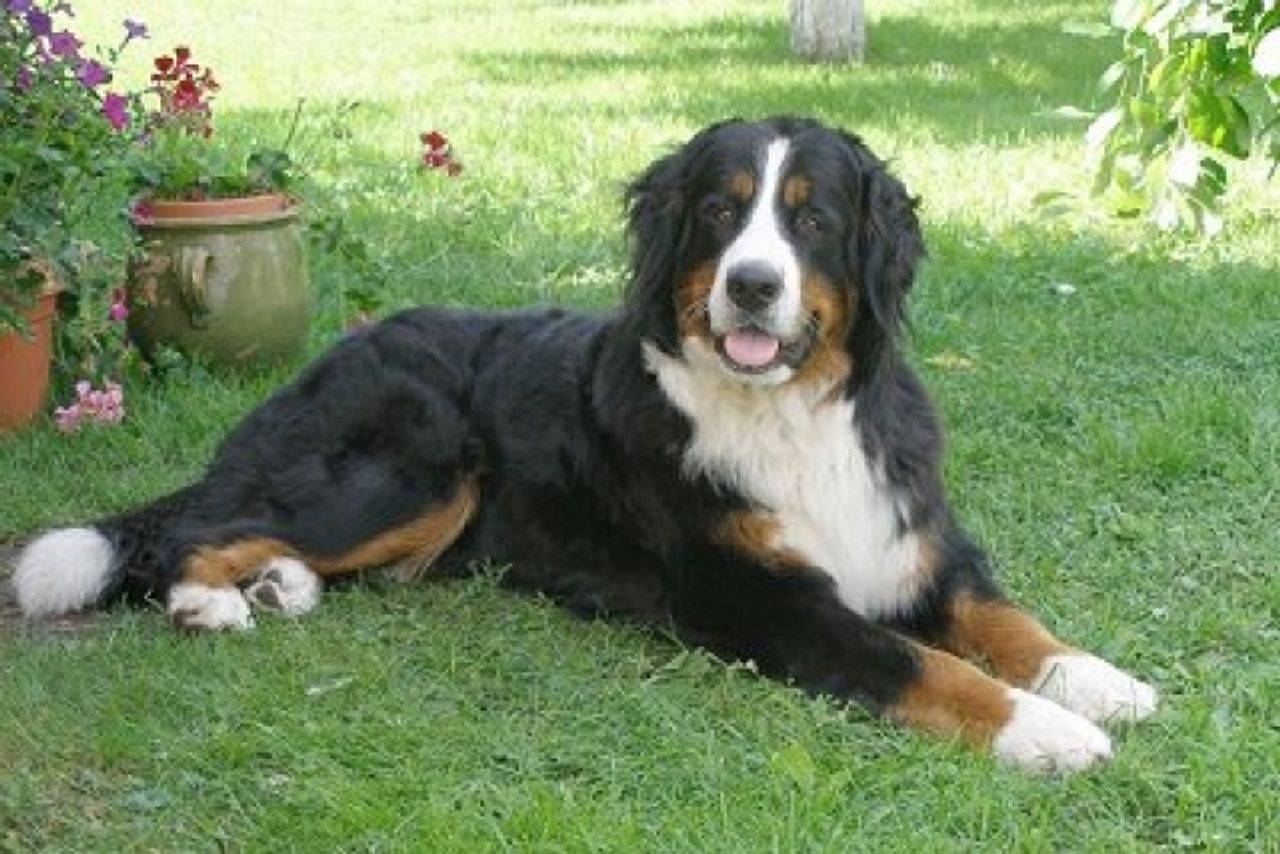
On a crisp winter morning, a Bernese Mountain Dog's thick tri-color coat glistens in the sunlight as they lumber through the snow, their calm and gentle nature a stark contrast to their massive size. Despite their giant stature, Bernese Mountain Dogs are known for their affectionate and good-natured temperament, making them a beloved companion for many families. However, their high shedding and grooming needs, combined with potential health issues like hip dysplasia and cancer, require careful consideration and planning from their owners.
As a giant breed, Bernese Mountain Dogs need plenty of space to move around and exercise, but their moderate energy level means they don't require as much activity as some other large breeds. With their strong and calm nature, they thrive on routine and clear boundaries, making them a great fit for families with children or for owners who want a loyal and gentle companion.
From daily grooming and exercise to feeding and health considerations, caring for a Bernese Mountain Dog requires a commitment to providing the right environment, nutrition, and care to help them thrive. With their short lifespan of 7-10 years, it's essential for owners to make the most of the time they have with their Bernese Mountain Dog and provide the best possible care to ensure they live a happy and healthy life.
Grooming Needs
Bernese Mountain Dogs have a long double coat that sheds heavily, requiring regular grooming to prevent matting and tangling. Daily brushing is essential, especially during shedding season, to remove loose hair and prevent skin irritation. Owners should also consider investing in a good deshedding tool and a slicker brush to keep their coat in good condition. Regular grooming sessions can also help strengthen the bond between owner and dog, reducing stress and anxiety for both parties.
Exercise and Enrichment
While Bernese Mountain Dogs don't require as much exercise as some other giant breeds, they still need regular physical activity to stay healthy and happy. Daily walks and playtime are essential, and owners should consider adding in activities like hiking or swimming to provide mental stimulation and variety. With their moderate energy level, Bernese Mountain Dogs are well-suited to families with children or owners who want a companion for outdoor activities.
Feeding Considerations
As a giant breed, Bernese Mountain Dogs need a balanced diet that meets their nutritional needs, particularly in terms of joint health and digestion. Owners should look for high-quality dog food that is formulated for large breeds, and consider adding supplements like glucosamine and chondroitin to support joint health. With their prone to bloat, owners should also monitor their dog's eating habits and avoid overfeeding or feeding too quickly.
Health Considerations
Bernese Mountain Dogs are prone to a range of health issues, including hip dysplasia, elbow dysplasia, and cancer. Regular veterinary check-ups are essential to monitor their health and catch any potential issues early. Owners should also consider investing in pet insurance to help cover the cost of veterinary care, particularly as their dog ages.
Cost and Commitment
Caring for a Bernese Mountain Dog requires a significant commitment of time, money, and resources. With their high grooming needs, owners should budget for regular grooming sessions and invest in good quality grooming tools. Additionally, the cost of veterinary care, particularly for common health issues like hip dysplasia, can be high. Owners should consider these costs when deciding whether a Bernese Mountain Dog is the right breed for them.
Bernese Mountain Dog FAQ
How often should I groom my Bernese Mountain Dog?
Bernese Mountain Dogs require daily grooming to prevent matting and tangling, particularly during shedding season. Owners should aim to brush their dog at least once a day, and consider investing in a good deshedding tool and a slicker brush to keep their coat in good condition.
What kind of exercise does my Bernese Mountain Dog need?
Bernese Mountain Dogs need regular physical activity to stay healthy and happy, including daily walks and playtime. Owners should consider adding in activities like hiking or swimming to provide mental stimulation and variety, but avoid overexerting their dog, particularly in hot weather.
What are the most common health issues affecting Bernese Mountain Dogs?
Bernese Mountain Dogs are prone to a range of health issues, including hip dysplasia, elbow dysplasia, and cancer. Regular veterinary check-ups are essential to monitor their health and catch any potential issues early, and owners should consider investing in pet insurance to help cover the cost of veterinary care.
How much does it cost to care for a Bernese Mountain Dog?
Caring for a Bernese Mountain Dog requires a significant commitment of time, money, and resources. Owners should budget for regular grooming sessions, high-quality dog food, and veterinary care, particularly for common health issues like hip dysplasia. The cost of caring for a Bernese Mountain Dog can range from $1,000 to $2,000 per year, depending on the dog's age, size, and health.
Are Bernese Mountain Dogs good with children?
Bernese Mountain Dogs are known for their gentle and affectionate nature, making them a great fit for families with children. However, as with any breed, it's essential to socialize your dog well and teach children how to interact with them safely and respectfully. With proper training and socialization, Bernese Mountain Dogs can make wonderful family pets.
Top picks for Bernese Mountain Dogs
- Best Treats for Bernese Mountain Dogs →
- Best Dental Chews for Bernese Mountain Dogs →
- Best Crates for Bernese Mountain Dogs →
- Best Food for Bernese Mountain Dogs →
- Best Collars for Bernese Mountain Dogs →
- Best Brushes for Bernese Mountain Dogs →
- Best Nail Clippers for Bernese Mountain Dogs →
- Best Toys for Bernese Mountain Dogs →
- Best Joint Supplements for Bernese Mountain Dogs →
- Best Shampoo for Bernese Mountain Dogs →
- Best Jackets & Coats for Bernese Mountain Dogs →
- Best Training Pads for Bernese Mountain Dogs →
- Best Chew Toys for Bernese Mountain Dogs →
- Best Cooling Mats for Bernese Mountain Dogs →
- Best Harnesses for Bernese Mountain Dogs →
- Best Beds for Bernese Mountain Dogs →
- Best Ear Cleaners for Bernese Mountain Dogs →
- Best Leashes for Bernese Mountain Dogs →