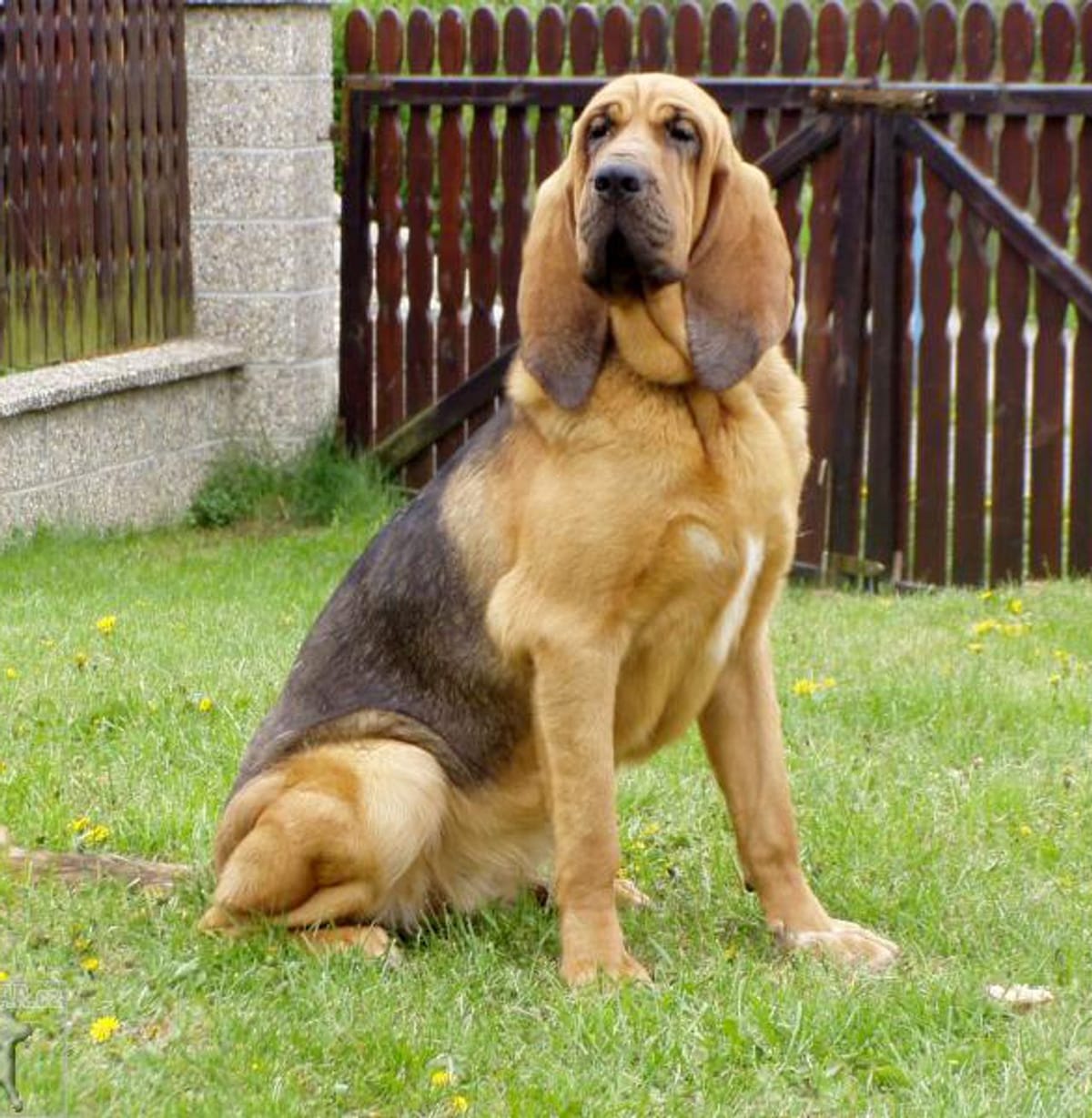
How Much to Feed a Bloodhound
By PetEssentialist Team · Updated July 2026 · How we review
We independently research and pick every product. When you buy through our links we may earn a commission, at no extra cost to you. How this works.
A Bloodhound's loose skin and tendency to follow its nose can lead to overeating and bloat, making portion control crucial. The breed's moderate energy level and large size, typically weighing between 80-110 pounds, require a balanced diet that meets their nutritional needs without overfeeding. As a Bloodhound owner, it's essential to understand how to feed your dog to maintain a healthy weight and prevent common health issues such as bloat and hip dysplasia. Bloodhounds are prone to ear and skin-fold infections, which can be exacerbated by excessive weight and poor diet. A well-structured feeding plan can help prevent these issues and ensure your Bloodhound leads a long and healthy life, with an average lifespan of 10-12 years. By understanding your Bloodhound's specific needs and adjusting their feeding schedule accordingly, you can help your dog thrive. As a scent hound, Bloodhounds have a strong instinct to follow their nose, which can lead to wandering and potential eating of unwanted items. A consistent feeding schedule and appropriate portion sizes can help keep your Bloodhound focused and prevent unwanted eating habits.
What to look for
Determine Your Bloodhound's Ideal Weight
To determine your Bloodhound's ideal weight, consider their age, size, and activity level. Puppies require more frequent feeding and a higher caloric intake, while adult dogs need a balanced diet that maintains their weight. It's essential to monitor your Bloodhound's weight and adjust their feeding schedule accordingly to prevent overfeeding and related health issues. Consult with your veterinarian to determine the ideal weight range for your Bloodhound.
Choose the Right Food
Bloodhounds require a high-quality dog food that meets their nutritional needs, with a balanced mix of protein, fat, and carbohydrates. Consider a large-breed dog food that is formulated to support joint health and prevent hip dysplasia. Avoid fillers and by-products, and opt for a food that is rich in whole ingredients and nutrients.
Portion Control and Meal Frequency
Bloodhounds are prone to overeating, so it's crucial to implement portion control and a consistent meal schedule. Feed your Bloodhound 2-3 times a day, with portion sizes based on their age, weight, and activity level. For example, a puppy may require 3-4 cups of food per day, while an adult dog may need 2-3 cups. Adjust the portion sizes as needed to maintain a healthy weight.
Adjust for Activity Level
Bloodhounds are moderate-energy dogs that require regular exercise to stay healthy. If your Bloodhound is highly active, they may require more calories to support their energy needs. Conversely, if your Bloodhound is less active, they may require fewer calories to prevent overfeeding. Adjust their feeding schedule accordingly to ensure they receive the right amount of nutrients.
Monitor and Adjust
Regularly monitor your Bloodhound's weight, body condition, and overall health, and adjust their feeding schedule as needed. Keep an eye out for signs of overfeeding, such as weight gain, and adjust the portion sizes accordingly. Consult with your veterinarian if you have any concerns or questions about your Bloodhound's diet or health.
Frequently asked questions
How often should I feed my Bloodhound puppy?
Bloodhound puppies require more frequent feeding, typically 3-4 times a day, to support their growth and development. As they mature, you can gradually reduce the frequency of meals to 2-3 times a day.
What are the signs of overfeeding in Bloodhounds?
Signs of overfeeding in Bloodhounds include weight gain, lethargy, and an increased risk of health issues such as bloat and hip dysplasia. Monitor your Bloodhound's body condition and adjust their feeding schedule accordingly to prevent overfeeding.
Can I feed my Bloodhound a raw diet?
While some owners choose to feed their Bloodhounds a raw diet, it's essential to consult with a veterinarian before making any changes to their diet. A raw diet can be beneficial for some dogs, but it may not provide the necessary nutrients for Bloodhounds, and can increase the risk of health issues if not properly balanced.
How can I prevent my Bloodhound from eating unwanted items?
To prevent your Bloodhound from eating unwanted items, keep a close eye on them during walks and outdoor activities, and provide a consistent feeding schedule to reduce the likelihood of wandering and eating unwanted items. You can also provide interactive toys and puzzle toys filled with treats to keep them engaged and focused.
What are the best treats for Bloodhounds?
The best treats for Bloodhounds are healthy, low-calorie options that are rich in nutrients and low in fillers. Consider treats that are specifically formulated for large breeds, such as sweet potato chews or carrot sticks. Avoid giving your Bloodhound table scraps or high-calorie treats, as they can contribute to overfeeding and health issues.
By following these guidelines and consulting with your veterinarian, you can create a tailored feeding plan that meets your Bloodhound's unique needs and helps them thrive. Remember to monitor your Bloodhound's weight and adjust their feeding schedule accordingly to prevent overfeeding and related health issues. With patience, consistency, and the right nutrition, you can help your Bloodhound live a long, healthy, and happy life.
More for your Bloodhound
Other breed-matched picks worth a look.