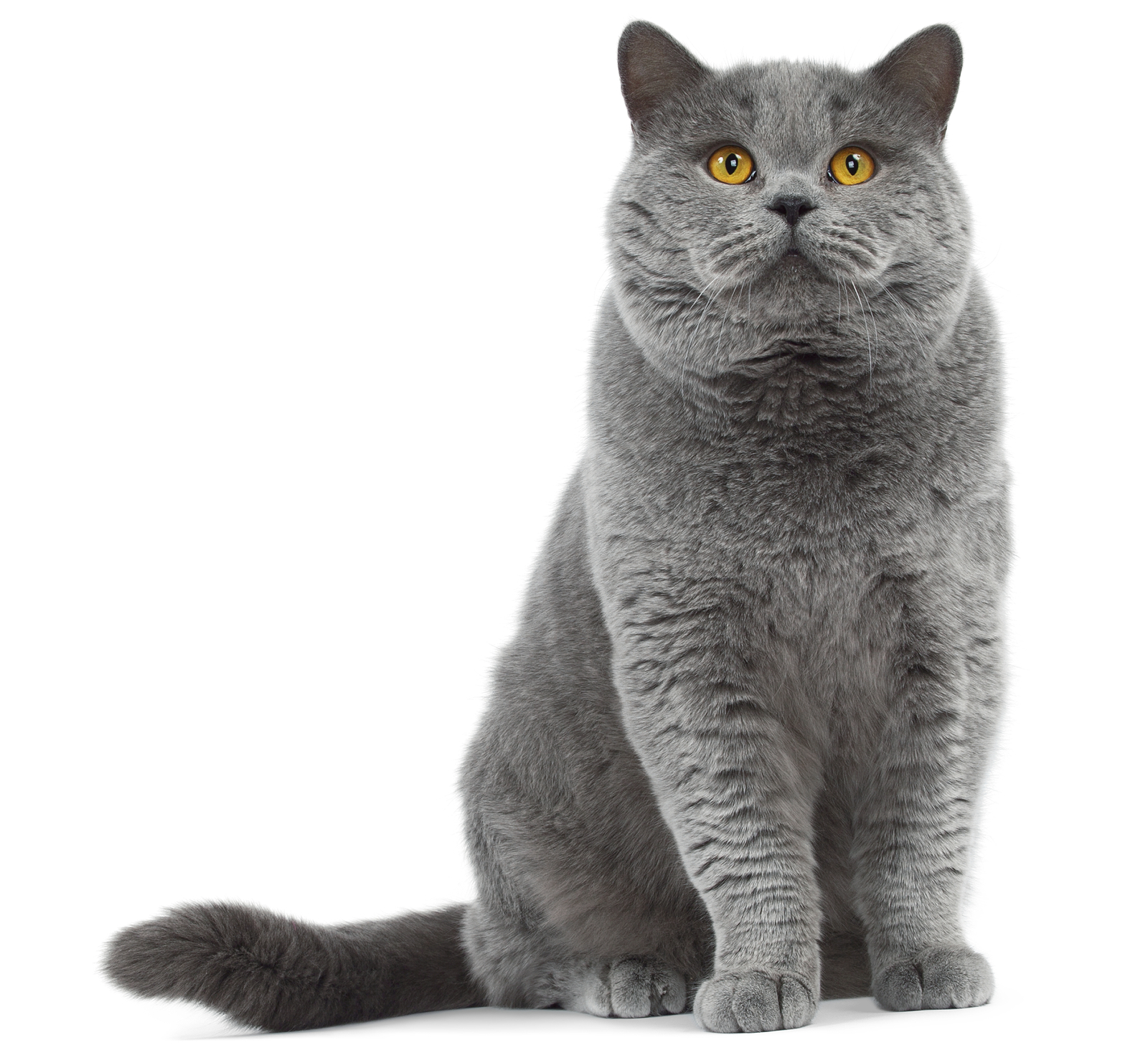
How Much to Feed a British Shorthair
By PetEssentialist Team · Updated June 2026 · How we review
We independently research and pick every product. When you buy through our links we may earn a commission, at no extra cost to you. How this works.
The British Shorthair's stocky build and plush coat can make it challenging to determine the ideal amount of food. As a breed prone to obesity, it's essential to monitor their food intake closely. British Shorthairs are not highly active, which means they require fewer calories than more energetic breeds. Their calm and easygoing nature can also lead to overeating, as they may not be as picky about their food or as inclined to exercise self-control. Understanding these specific characteristics is crucial in developing a feeding plan that suits their needs.
What to look for
Kittenhood (0-12 months)
During the first year, British Shorthair kittens require more frequent meals to support their growth and development. They should be fed 3-4 times a day, with portion sizes adjusted according to their weight and activity level. As they approach adulthood, their meal frequency can be reduced to twice a day.
Adult Weight Management
To maintain a healthy weight, adult British Shorthairs should be fed according to their individual caloric needs, which are influenced by their weight, age, and activity level. A general guideline is to feed 1/4 to 1/2 cup of food per 10 pounds of body weight per day, divided into two meals. However, this may vary depending on the cat's specific needs and the type of food being fed.
Adjusting for Activity Level
While British Shorthairs are not highly active, some individuals may be more energetic than others. For cats that are more active, such as those that play regularly or have access to outdoor spaces, portion sizes may need to be increased to ensure they are receiving enough calories to support their energy expenditure.
Monitoring and Adjusting
Regular monitoring of the cat's weight and body condition is essential to ensure they are receiving the right amount of food. Owners should aim to feed their British Shorthair to maintain a body condition score of 4-5, where the ribs are easily felt but not visible. Adjustments to portion sizes should be made gradually to prevent sudden changes in the cat's weight or overall health.
Preventing Obesity
Preventing obesity is crucial in British Shorthairs, as it can lead to various health issues, including diabetes, arthritis, and heart disease. To prevent obesity, owners should avoid overfeeding, ensure their cat is getting enough exercise, and monitor their weight regularly. They should also consider feeding a weight management food or consulting with a veterinarian for personalized feeding recommendations.
Frequently asked questions
How often should I feed my British Shorthair kitten?
British Shorthair kittens should be fed 3-4 times a day until they are about 12 months old. After that, they can be fed twice a day.
What is the ideal weight range for a British Shorthair?
The ideal weight range for a British Shorthair is between 9-17 pounds, depending on their size and muscle tone. However, this can vary depending on the individual cat and their specific needs.
Can I free-feed my British Shorthair?
It's not recommended to free-feed a British Shorthair, as they can be prone to overeating. Instead, feed them measured portions at set times to help maintain a healthy weight.
How can I tell if my British Shorthair is overweight?
You can tell if your British Shorthair is overweight by checking their body condition score. If you can't feel their ribs or if they have a noticeable belly, they may be overweight. Consult with a veterinarian for a professional assessment.
What are the health risks associated with obesity in British Shorthairs?
Obesity in British Shorthairs can lead to various health issues, including diabetes, arthritis, heart disease, and reduced lifespan. It's essential to maintain a healthy weight through proper feeding and exercise to prevent these health risks.
Maintaining a healthy weight is crucial for British Shorthairs, and owners should prioritize feeding their cat according to their individual needs. By monitoring their weight, adjusting portion sizes, and preventing overfeeding, owners can help their British Shorthair live a long and healthy life. Consult with a veterinarian for personalized feeding recommendations to ensure the best possible outcome for your cat.
More for your British Shorthair
Other breed-matched picks worth a look.