How Much to Feed a Bull Terrier
By PetEssentialist Team · Updated July 2026 · How we review
We independently research and pick every product. When you buy through our links we may earn a commission, at no extra cost to you. How this works.
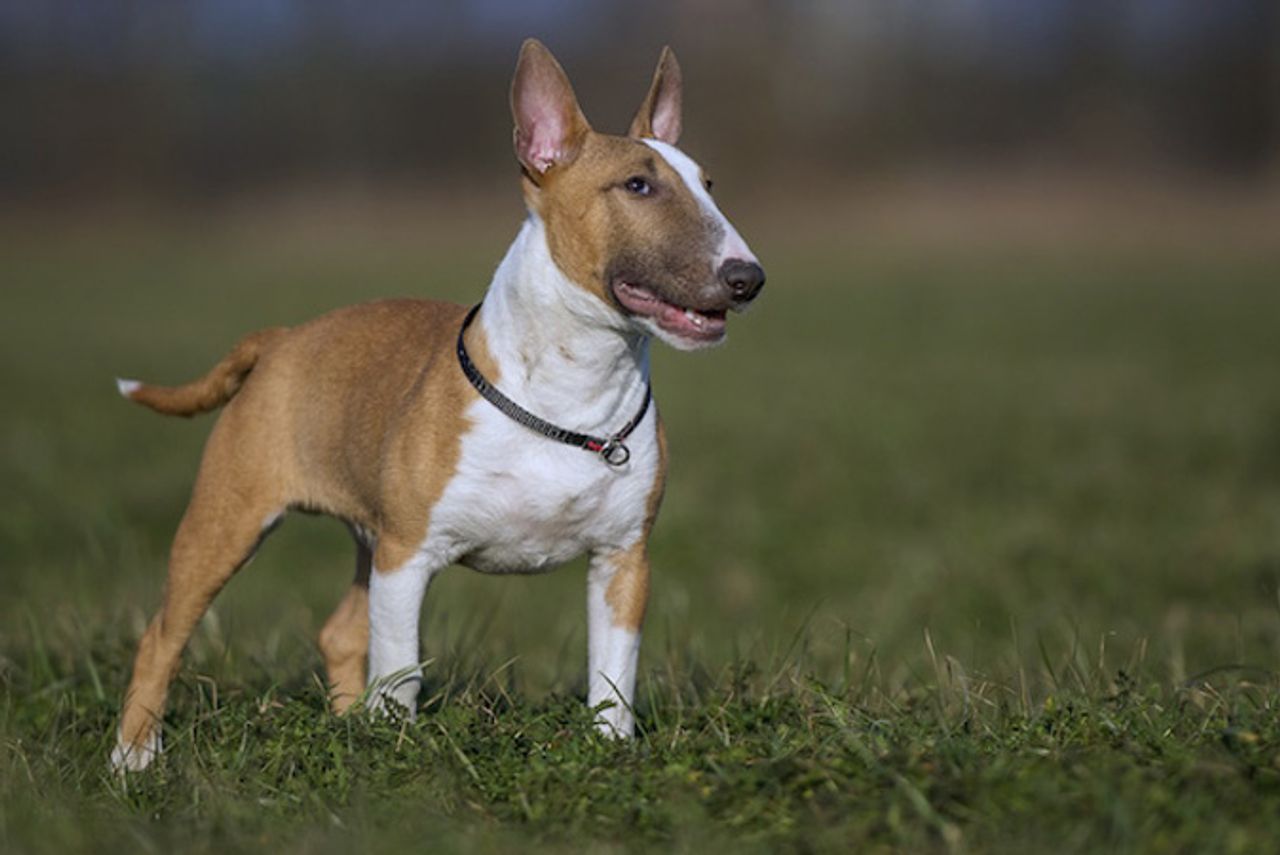
Bull Terriers are known for their playful, mischievous personalities and high energy levels, which demand a tailored approach to feeding. Their short, flat coats and moderate shedding mean they require a balanced diet that supports their skin and overall health. As a Bull Terrier owner, it's essential to understand how much to feed your dog to maintain a healthy weight, given their propensity for deafness, kidney disease, and other common health issues. A well-fed Bull Terrier is a happy one, with plenty of energy for playtime and a reduced risk of obesity-related problems. However, overfeeding or underfeeding can have serious consequences, making it crucial to get their diet just right. By considering factors like age, weight, and activity level, owners can create a feeding plan that meets their Bull Terrier's unique needs. Bull Terriers typically weigh between 50-70 pounds and have a muscular build, which requires a diet rich in protein and moderate in fat. Their egg-shaped head and lively temperament also make them prone to food-related allergies and sensitivities, so a careful approach to feeding is vital.
What to look for
Age and Weight Considerations
Puppies under six months require more frequent meals, ideally 3-4 times a day, while adult Bull Terriers can thrive on two meals per day. Portion sizes should be adjusted according to the dog's weight, with a general guideline of 1-1.5 cups of food per 10 pounds of body weight. As Bull Terriers mature, their dietary needs change, and owners should monitor their dog's weight and adjust feeding amounts accordingly.
Activity Level and Energy Needs
High-energy Bull Terriers require more calories to sustain their lively lifestyle, while less active dogs may need fewer calories to prevent weight gain. Owners should consider their dog's exercise routine and adjust feeding amounts to ensure they're providing the right amount of energy. For example, a Bull Terrier that engages in daily runs or playtime may require more food than a less active dog.
Adjusting Portion Sizes
To maintain a healthy weight, owners should monitor their Bull Terrier's weight and adjust feeding amounts every 2-3 months. It's also essential to consider the dog's individual needs, such as food allergies or sensitivities, and adjust their diet accordingly. A gradual transition to new foods or portion sizes can help prevent digestive upset and ensure a smooth adjustment.
Meal Frequency and Timing
Bull Terriers benefit from a consistent feeding schedule, with meals spaced evenly apart to maintain stable energy levels. Owners should aim to feed their dog at the same times each day, taking into account their dog's age, weight, and activity level. For example, a puppy may require more frequent meals, while an adult Bull Terrier may thrive on a twice-daily feeding schedule.
Common Mistakes to Avoid
Overfeeding or underfeeding are common mistakes that can have serious consequences for Bull Terriers. Owners should avoid free-feeding, as this can lead to obesity and related health issues. Instead, they should measure out their dog's food carefully and adjust portion sizes as needed to maintain a healthy weight.
Frequently asked questions
How often should I feed my Bull Terrier puppy?
Puppies under six months require more frequent meals, ideally 3-4 times a day, while adult Bull Terriers can thrive on two meals per day. It's essential to consult with a veterinarian to determine the best feeding schedule for your puppy.
What is the ideal weight range for a Bull Terrier?
Bull Terriers typically weigh between 50-70 pounds, but the ideal weight range may vary depending on the individual dog's age, size, and muscle tone. Owners should consult with a veterinarian to determine their dog's ideal weight range.
Can I feed my Bull Terrier a raw diet?
While some owners swear by raw diets, it's essential to consult with a veterinarian before making any significant changes to your dog's diet. Raw diets can be beneficial for some dogs, but they may not provide the necessary nutrients for others, and can also pose health risks if not properly balanced.
How can I prevent my Bull Terrier from becoming overweight?
To prevent obesity, owners should monitor their dog's weight regularly and adjust feeding amounts accordingly. They should also ensure their dog is getting enough exercise and mental stimulation to prevent boredom and overeating. A balanced diet and regular veterinary check-ups can also help prevent weight-related issues.
What are the most common health issues related to feeding in Bull Terriers?
Bull Terriers are prone to deafness, kidney disease, and skin allergies, which can be exacerbated by poor diet or feeding practices. Owners should work closely with their veterinarian to identify potential health issues and develop a feeding plan that supports their dog's overall health and well-being.
By considering their Bull Terrier's age, weight, activity level, and individual needs, owners can create a tailored feeding plan that supports their dog's optimal health and energy. With patience, attention to detail, and regular veterinary check-ups, owners can help their Bull Terrier thrive and enjoy a long, happy life. For more information on the best foods and feeding practices for Bull Terriers, visit our product picks page.
More for your Bull Terrier
Other breed-matched picks worth a look.