How Much to Feed a Bullmastiff
By PetEssentialist Team · Updated June 2026 · How we review
We independently research and pick every product. When you buy through our links we may earn a commission, at no extra cost to you. How this works.
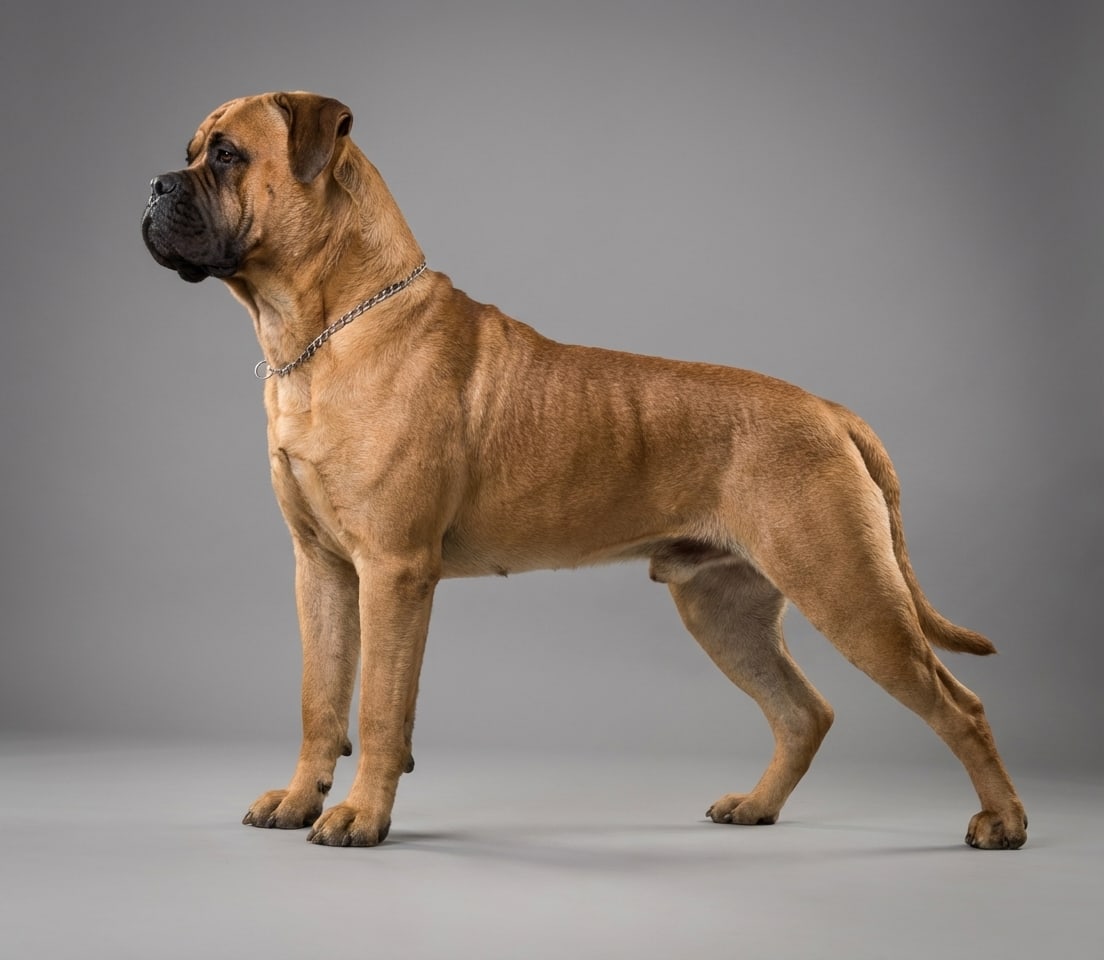
A Bullmastiff's deep chest and moderate energy level make them prone to bloat and other digestive issues, emphasizing the need for careful feeding practices. Their short, single coat and low grooming needs belie the importance of a tailored nutrition plan, given their giant size and moderate shedding. As a Bullmastiff owner, managing their diet is crucial to prevent common health issues like hip dysplasia and heart conditions. Bullmastiffs are known for their loyal and affectionate nature, but their large size and specific needs require a thoughtful approach to feeding. A typical Bullmastiff weighs between 100-130 pounds, and their feeding schedule should be adjusted accordingly to maintain a healthy weight. Their moderate energy level means they need a balanced diet that meets their nutritional needs without overfeeding. Given the Bullmastiff's tendency to drool and their sensitivity to heat, it's essential to consider these factors when determining their feeding schedule and portion sizes. By understanding the specific needs of the Bullmastiff breed, owners can provide the best possible care for their giant companion.
What to look for
Determine Your Bullmastiff's Ideal Weight
To establish a suitable feeding schedule, it's crucial to determine your Bullmastiff's ideal weight, considering their age, size, and activity level. Consult with your veterinarian to assess your dog's weight and develop a plan to achieve or maintain a healthy weight. This will help prevent obesity-related issues and reduce the risk of hip dysplasia and other joint problems.
Choose the Right Food Type and Portion Size
Bullmastiffs require high-quality, nutrient-rich food that meets their giant breed needs. Divide your Bullmastiff's daily ration into 2-3 meals until they are about 12-18 months old, then switch to 1-2 meals per day. The recommended daily intake for a Bullmastiff is 4-6 cups of food, depending on their age, weight, and activity level.
Adjust for Age and Activity Level
Puppies need more frequent, nutrient-dense meals to support growth and development. Adult Bullmastiffs require less food, and senior dogs may need a special diet to manage age-related health issues. If your Bullmastiff is highly active, you may need to increase their food intake to ensure they receive sufficient energy and nutrients.
Monitor and Adjust
Regularly monitor your Bullmastiff's weight, body condition, and overall health, and adjust their feeding schedule accordingly. Keep an eye out for signs of overfeeding or underfeeding, such as weight gain or loss, and adjust portion sizes as needed to maintain a healthy weight.
Consider Common Health Issues
Bullmastiffs are prone to certain health issues like bloat, hip dysplasia, and heart conditions. Feed your Bullmastiff smaller, more frequent meals to reduce the risk of bloat, and choose a food that is formulated to support joint health and reduce the risk of hip dysplasia.
Frequently asked questions
How often should I feed my Bullmastiff puppy?
Feed your Bullmastiff puppy 3-4 times a day until they are about 6 months old, then gradually switch to 2-3 meals per day until they are 12-18 months old. Consult with your veterinarian to determine the best feeding schedule for your puppy.
What is the ideal weight range for a Bullmastiff?
The ideal weight range for a Bullmastiff is between 100-130 pounds, depending on their age, size, and activity level. Maintaining a healthy weight is crucial to prevent obesity-related issues and reduce the risk of hip dysplasia and other joint problems.
Can I feed my Bullmastiff a raw diet?
While some owners prefer a raw diet, it's essential to consult with your veterinarian before making any significant changes to your Bullmastiff's diet. A balanced, nutrient-rich commercial dog food specifically formulated for giant breeds like Bullmastiffs is often the best option.
How can I prevent bloat in my Bullmastiff?
To reduce the risk of bloat, feed your Bullmastiff smaller, more frequent meals, and avoid exercising them immediately after eating. You can also add a bloat-reducing supplement to their food, but consult with your veterinarian before making any changes to their diet or supplement routine.
What are the signs of overfeeding or underfeeding in Bullmastiffs?
Signs of overfeeding include weight gain, lethargy, and digestive issues, while signs of underfeeding include weight loss, lethargy, and a dull coat. Monitor your Bullmastiff's weight, body condition, and overall health, and adjust their feeding schedule accordingly to maintain a healthy weight.
By understanding the specific feeding needs of your Bullmastiff, you can provide the best possible care for your giant companion. Prioritize a balanced, nutrient-rich diet, and adjust portion sizes and meal frequency according to their age, weight, and activity level. With careful attention to their dietary needs, you can help your Bullmastiff thrive and live a long, healthy life.
More for your Bullmastiff
Other breed-matched picks worth a look.