How Much to Feed a Doberman Pinscher
By PetEssentialist Team · Updated June 2026 · How we review
We independently research and pick every product. When you buy through our links we may earn a commission, at no extra cost to you. How this works.
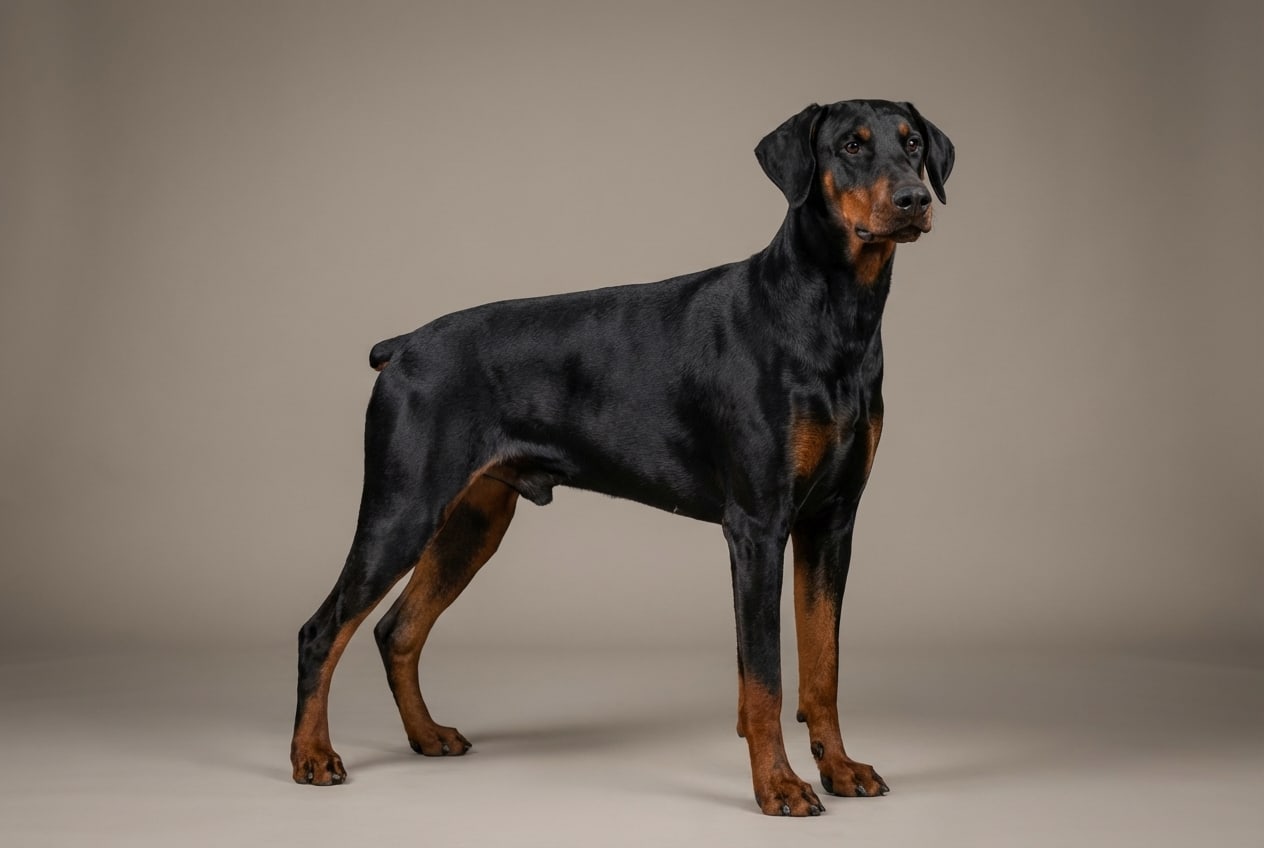
Doberman Pinschers are athletic dogs that require a diet tailored to their high energy needs and lean physique. Their short, single coat and large size make them sensitive to cold temperatures, and their deep-chested build puts them at risk for bloat. As a result, owners must carefully manage their Doberman's food intake to prevent overeating and maintain a healthy weight. A common challenge for Doberman owners is determining the right amount of food to feed their pet, as overfeeding can lead to obesity and related health issues such as heart problems and hip dysplasia. Conversely, underfeeding can cause malnutrition and decreased energy levels, making it difficult for the dog to engage in regular exercise and activity. By understanding the specific nutritional needs of the Doberman Pinscher breed, owners can provide their pet with the necessary fuel to thrive and maintain optimal health throughout their life.
What to look for
Puppy Feeding
Doberman Pinscher puppies require frequent, nutrient-rich meals to support their rapid growth and development. Owners should aim to feed their puppy 3-4 times a day, with portion sizes adjusted according to the puppy's age and weight. As the puppy matures, meal frequency can be gradually reduced to twice a day.
Adult Feeding
Adult Dobermans require a balanced diet that meets their high energy needs, with a focus on protein-rich foods to maintain their lean muscle mass. Owners should aim to feed their adult Doberman 2 times a day, with portion sizes adjusted according to the dog's weight and activity level.
Activity-Based Feeding
Doberman Pinschers are highly energetic dogs that require more food when engaging in regular exercise and activity. Owners should adjust their dog's portion sizes based on their activity level, with more food provided on days when the dog engages in strenuous exercise or play.
Weight Management
Maintaining a healthy weight is crucial for Doberman Pinschers, as excess weight can exacerbate health issues such as heart problems and hip dysplasia. Owners should monitor their dog's weight regularly and adjust their portion sizes accordingly, with a focus on providing a balanced diet that meets their dog's nutritional needs without overfeeding.
Common Feeding Mistakes
One common mistake Doberman owners make is overfeeding their pet, which can lead to obesity and related health issues. Another mistake is underestimating the dog's nutritional needs, particularly during periods of high activity or growth. By understanding the specific feeding needs of the Doberman breed, owners can avoid these mistakes and provide their pet with the necessary fuel to thrive.
Frequently asked questions
How often should I feed my Doberman Pinscher puppy?
Doberman Pinscher puppies should be fed 3-4 times a day, with portion sizes adjusted according to the puppy's age and weight. As the puppy matures, meal frequency can be gradually reduced to twice a day.
What is the ideal weight range for a Doberman Pinscher?
The ideal weight range for a Doberman Pinscher is between 60-80 pounds for males and 50-70 pounds for females, although this can vary depending on the individual dog's size and muscle mass.
Can I feed my Doberman Pinscher a raw food diet?
While some owners choose to feed their Doberman a raw food diet, it is essential to consult with a veterinarian before making any significant changes to the dog's diet. A raw food diet can be beneficial for some dogs, but it may not provide the necessary nutrients and balance for the Doberman breed.
How can I prevent bloat in my Doberman Pinscher?
To prevent bloat in your Doberman Pinscher, it is essential to feed your dog in a quiet, stress-free environment and to avoid exercising your dog immediately after meals. You should also avoid feeding your dog large or heavy meals, and instead opt for smaller, more frequent meals throughout the day.
What are the signs of malnutrition in a Doberman Pinscher?
Signs of malnutrition in a Doberman Pinscher can include lethargy, weight loss, and a dull or brittle coat. If you suspect that your dog is malnourished, it is essential to consult with a veterinarian as soon as possible to determine the best course of action and develop a plan to get your dog back on track.
By understanding the specific feeding needs of the Doberman Pinscher breed, owners can provide their pet with the necessary fuel to thrive and maintain optimal health throughout their life. For owners who prioritize their dog's health and well-being, a balanced and nutrient-rich diet is essential, and should be tailored to the individual dog's age, weight, and activity level.
More for your Doberman Pinscher
Other breed-matched picks worth a look.