How Much to Feed a Exotic Shorthair
By PetEssentialist Team · Updated June 2026 · How we review
We independently research and pick every product. When you buy through our links we may earn a commission, at no extra cost to you. How this works.
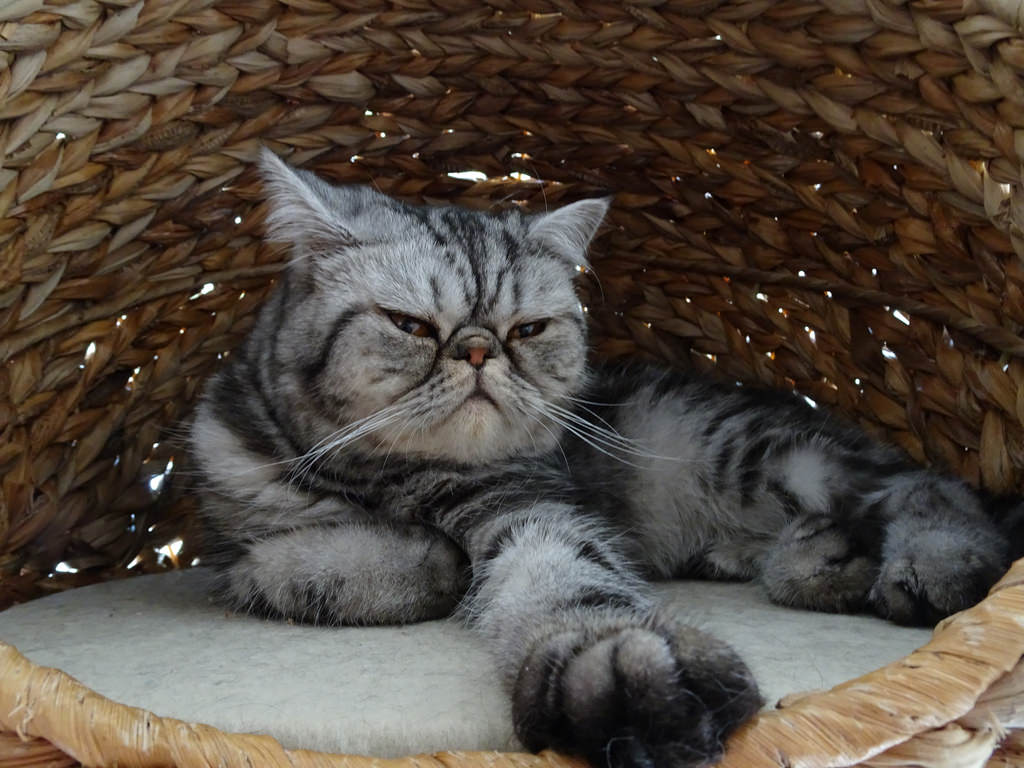
On a warm summer afternoon, an Exotic Shorthair cat may be found lounging in a cool, quiet spot, their dense plush short coat a testament to their laid-back nature. As a medium-sized breed with a low energy level, Exotic Shorthairs require a carefully balanced diet to maintain their weight and overall health. Their flat face and brachycephalic airway make them prone to breathing difficulties, especially in hot weather, so monitoring their food intake is crucial to prevent overheating and obesity. Exotic Shorthairs are known for their calm and affectionate temperament, which can make them prone to overeating if their owners are not mindful of their portion sizes. With their moderate shedding and grooming needs, it's essential to consider their overall health and well-being when determining their diet. A well-fed Exotic Shorthair is a happy and healthy one, with a shiny coat and bright eyes that sparkle with affection. As an Exotic Shorthair owner, it's essential to understand the specific dietary needs of this breed, taking into account their age, weight, and activity level to ensure they receive the nutrients they need to thrive. By following a few simple guidelines and being mindful of their unique characteristics, owners can help their Exotic Shorthairs maintain a healthy weight and live a long, happy life.
What to look for
Kittenhood (0-12 months)
Exotic Shorthair kittens require more frequent meals, typically 3-4 times a day, to support their rapid growth and development. As they grow, their meal frequency can be gradually reduced to 2-3 times a day. It's essential to monitor their weight and adjust their portion sizes accordingly to prevent overeating and obesity.
Adult Weight Management
Adult Exotic Shorthairs typically weigh between 7-14 lbs, and their diet should be adjusted accordingly. A balanced and nutrient-rich food with moderate calorie content is recommended, taking into account their low energy level and potential for weight gain. Owners should aim to feed their Exotic Shorthairs 2-3 times a day, with portion sizes adjusted to maintain their ideal weight.
Activity Level Considerations
Exotic Shorthairs are not highly active cats, but they still require some exercise to stay healthy. Owners should consider their cat's activity level when determining their diet, taking into account factors such as playtime and outdoor access. More active Exotic Shorthairs may require more calories to support their energy needs, while less active cats may require fewer calories to prevent weight gain.
Health Considerations
Exotic Shorthairs are prone to certain health issues, such as brachycephalic airway syndrome and dental disease, which can impact their diet. Owners should consult with their veterinarian to determine the best diet for their Exotic Shorthair, taking into account any health concerns or allergies. A balanced and nutrient-rich food that supports their overall health and well-being is essential.
Monitoring and Adjusting
Regular monitoring of an Exotic Shorthair's weight, body condition, and overall health is crucial to ensure they are receiving the right amount of food. Owners should adjust their cat's diet as needed, taking into account changes in their age, weight, and activity level. By being mindful of their Exotic Shorthair's unique needs and characteristics, owners can help their cat maintain a healthy weight and live a long, happy life.
Frequently asked questions
How often should I feed my Exotic Shorthair kitten?
Exotic Shorthair kittens require more frequent meals, typically 3-4 times a day, to support their rapid growth and development. As they grow, their meal frequency can be gradually reduced to 2-3 times a day.
What is the ideal weight for an Exotic Shorthair cat?
The ideal weight for an Exotic Shorthair cat is between 7-14 lbs, depending on their age, sex, and body condition. Owners should aim to maintain their cat's weight within this range to prevent obesity and related health issues.
Can Exotic Shorthairs be fed a raw diet?
While some owners may consider a raw diet for their Exotic Shorthair, it's essential to consult with a veterinarian before making any significant changes to their diet. A balanced and nutrient-rich commercial food is often the best option for Exotic Shorthairs, taking into account their unique nutritional needs and potential health concerns.
How can I prevent my Exotic Shorthair from overeating?
To prevent overeating, owners should monitor their Exotic Shorthair's food intake closely, using a measuring cup to ensure they are receiving the right amount of food. It's also essential to avoid free-feeding and to remove any uneaten food after a meal to prevent grazing.
What are the signs of obesity in Exotic Shorthairs?
Signs of obesity in Exotic Shorthairs include a visible belly, lack of waist definition, and excessive weight gain. Owners should monitor their cat's weight and body condition regularly, consulting with a veterinarian if they have concerns about their Exotic Shorthair's weight or overall health.
To keep an Exotic Shorthair at a healthy weight, owners must prioritize a balanced and nutrient-rich diet, taking into account their cat's age, weight, and activity level. By following these guidelines and consulting with a veterinarian, owners can help their Exotic Shorthair maintain a healthy weight and live a long, happy life. Regular monitoring and adjustments to their diet are crucial to prevent obesity and related health issues, ensuring their Exotic Shorthair remains a happy and healthy companion for years to come.
More for your Exotic Shorthair
Other breed-matched picks worth a look.