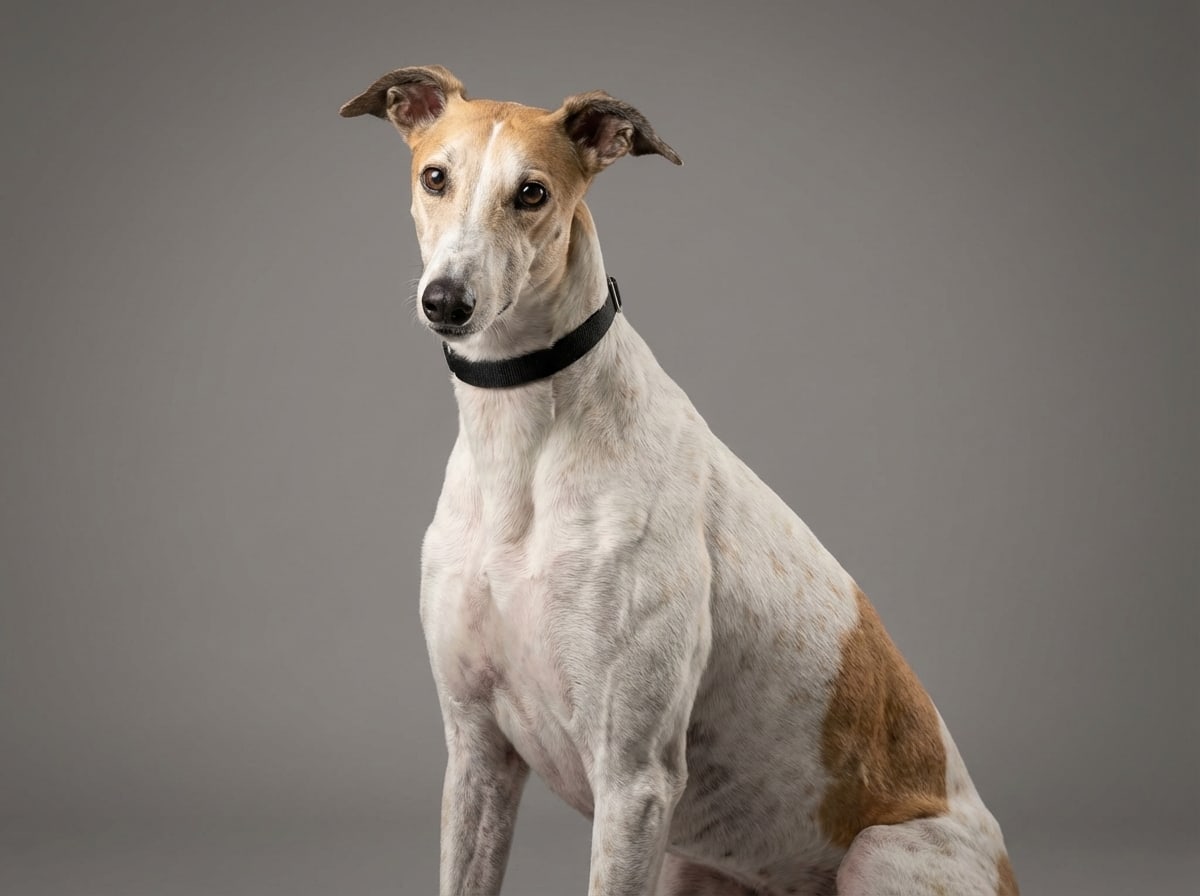
How Much to Feed a Greyhound
By PetEssentialist Team · Updated July 2026 · How we review
We independently research and pick every product. When you buy through our links we may earn a commission, at no extra cost to you. How this works.
On a typical morning, a Greyhound owner might wake up to find their dog lounging on the couch, still basking in the glow of a good night's sleep. Despite their love of relaxation, Greyhounds are bred for speed and require a balanced diet to maintain their lean physique. With their short, smooth coats and low body fat, it's essential to monitor their food intake to prevent weight-related issues. Greyhounds are prone to bloat and other health issues, making it crucial to feed them the right amount of food at the right times. Their moderate energy level means they need a diet that supports their occasional bursts of activity, but also allows for relaxation and calmness. As a Greyhound owner, it's essential to understand the specific dietary needs of this breed to ensure they lead a long, healthy life. With a lifespan of 10-13 years, proper nutrition plays a significant role in preventing common health issues such as osteosarcoma and dental disease.
What to look for
Determine Your Greyhound's Ideal Weight
The ideal weight for a Greyhound is between 60-70 pounds, depending on their age, size, and activity level. To determine your dog's ideal weight, consult with your veterinarian and monitor their body condition score. A Greyhound with a healthy weight should have a visible waistline and a slight tuck of the abdomen. Adjust their food intake accordingly to maintain this ideal weight.
Calculate Daily Caloric Needs
Greyhounds require a moderate amount of calories to support their energy needs. The daily caloric intake for a Greyhound depends on their age, weight, and activity level. For example, a sedentary Greyhound may require 1,200-1,400 calories per day, while an active Greyhound may need 1,600-1,800 calories per day. Divide the daily caloric needs into 2-3 meals to prevent bloat and support digestion.
Choose the Right Food Type
Greyhounds thrive on high-quality dog food that is rich in protein and moderate in fat. Look for dog food that is specifically formulated for large breed dogs or Greyhounds. Avoid dog food with fillers, by-products, or artificial preservatives, as these can exacerbate health issues such as bloat and dental disease.
Monitor and Adjust Food Intake
Regularly monitor your Greyhound's weight, body condition, and overall health to adjust their food intake accordingly. If your Greyhound is gaining weight, reduce their food intake by 10-15% and increase their exercise. If your Greyhound is losing weight, increase their food intake by 10-15% and reduce their exercise. Consult with your veterinarian for guidance on adjusting your Greyhound's diet.
Prevent Overfeeding
Greyhounds are prone to overeating, which can lead to weight-related issues and exacerbate health problems such as bloat. To prevent overfeeding, use a measuring cup to measure your Greyhound's food intake, and avoid free-feeding. Divide their daily caloric needs into 2-3 meals, and limit treats to 5-10% of their daily caloric intake.
Frequently asked questions
How often should I feed my Greyhound?
Feed your Greyhound 2-3 times a day, depending on their age, weight, and activity level. Puppies may require more frequent feeding, while adult Greyhounds may thrive on twice-a-day feeding. Consult with your veterinarian for guidance on the best feeding schedule for your Greyhound.
Can I feed my Greyhound table scraps?
No, it's not recommended to feed your Greyhound table scraps, as these can be high in fat, salt, and sugar, and may exacerbate health issues such as bloat and dental disease. Stick to a high-quality dog food that is specifically formulated for Greyhounds, and limit treats to 5-10% of their daily caloric intake.
How can I prevent bloat in my Greyhound?
To prevent bloat in your Greyhound, feed them smaller, more frequent meals, and avoid exercising them immediately after eating. Elevate their food and water bowls to reduce swallowing air, and monitor their behavior for signs of bloat, such as restlessness, pacing, and discomfort.
Can I feed my Greyhound a raw diet?
While some owners swear by raw diets, it's essential to consult with your veterinarian before making any significant changes to your Greyhound's diet. Raw diets can be high in bacteria and may not provide the necessary nutrients for optimal health. A balanced, high-quality dog food that is specifically formulated for Greyhounds is usually the best option.
How can I ensure my Greyhound is getting enough nutrients?
To ensure your Greyhound is getting enough nutrients, choose a high-quality dog food that is specifically formulated for Greyhounds, and follow the recommended feeding guidelines. Consult with your veterinarian for guidance on the best diet for your Greyhound, and monitor their health and behavior for signs of nutritional deficiencies.
By understanding the specific dietary needs of your Greyhound and following these guidelines, you can help your dog lead a long, healthy life. Remember to monitor their weight, body condition, and overall health, and adjust their food intake accordingly. With the right diet and proper care, your Greyhound can thrive and enjoy a happy, healthy life.
More for your Greyhound
Other breed-matched picks worth a look.