How Much to Feed a Maltese
By PetEssentialist Team · Updated June 2026 · How we review
We independently research and pick every product. When you buy through our links we may earn a commission, at no extra cost to you. How this works.
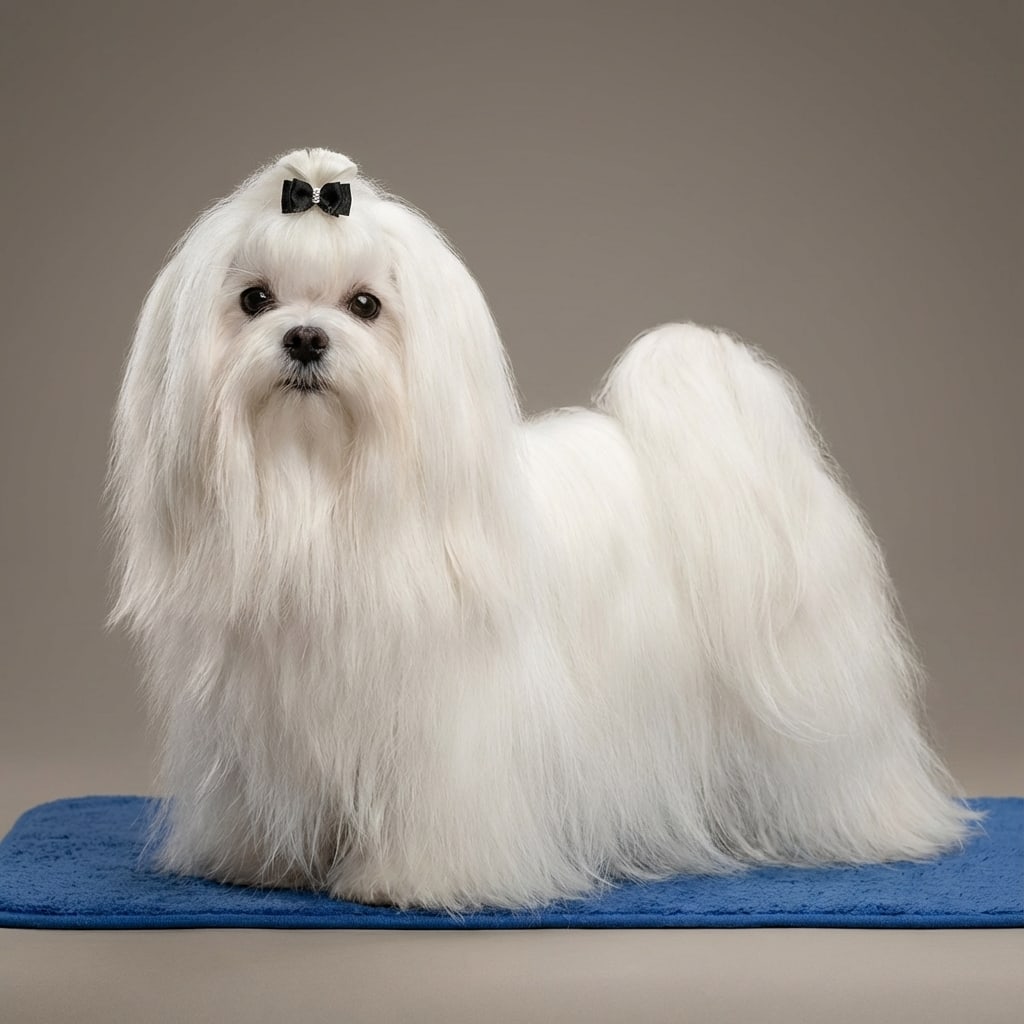
As a Maltese owner, she's no stranger to the delicate balance of feeding her small, energetic companion. With a toy-sized stomach and a penchant for dental issues, finding the right portion sizes and meal frequency is crucial. Daily grooming sessions to prevent matting and tangling of their silky coats also remind her that every aspect of their care, including nutrition, must be tailored to their unique needs. The Maltese's moderate energy level and tendency to be fearless, despite their tiny size, mean they require a diet that supports their playful lifestyle without overfeeding, which can lead to obesity and exacerbate common health issues like patellar luxation and tracheal collapse. Their gentle and affectionate nature makes them prone to overindulgence, making it essential for owners to establish a consistent feeding routine. Given the Maltese's specific characteristics, such as their low-shedding, high-maintenance coat and susceptibility to tear staining, owners must be vigilant about their dog's overall health, starting with what they eat. By understanding how much to feed a Maltese based on age, weight, and activity level, owners can help prevent these issues and ensure their pet lives a long, healthy life.
What to look for
Age-Based Feeding
Maltese puppies require more frequent, smaller meals due to their high energy needs and small stomachs. As they mature, meal frequency can decrease, but portion sizes should be adjusted according to their weight and activity level. For example, a puppy might need 3-4 meals a day, while an adult Maltese might need only 2 meals, with portion sizes tailored to their individual needs.
Weight Management
Given the Maltese's propensity for obesity, monitoring their weight is crucial. Owners should aim for a weight range of 4-7 lbs and adjust feeding portions accordingly. Even a slight increase in weight can exacerbate health issues, so regular weigh-ins and adjustments to their diet are essential.
Activity Level Considerations
The activity level of a Maltese significantly impacts their dietary needs. More active dogs require more calories, while less active dogs need fewer. Since Maltese are prone to dental issues, their diet should also include dental-friendly components to support their oral health.
Meal Frequency and Timing
The frequency and timing of meals for a Maltese should be based on their age, weight, and activity level. Puppies and very active dogs may require more frequent meals, while less active or older dogs may do well with fewer, larger meals. Consistency is key to preventing digestive issues and supporting overall health.
Adjusting Portion Sizes
To keep a Maltese at a healthy weight, owners must be willing to adjust portion sizes as needed. This might involve decreasing food amounts if the dog is gaining weight or increasing portions if they are underweight. Regular monitoring of the dog's condition and adjustments to their diet will help prevent health issues associated with improper feeding.
Frequently asked questions
How often should I feed my Maltese puppy?
Maltese puppies should be fed 3-4 times a day, with portion sizes adjusted according to their weight and activity level. As they grow, meal frequency can decrease, but it's essential to monitor their weight and adjust portions accordingly to prevent obesity and support healthy growth.
What is the ideal weight for a Maltese?
The ideal weight for a Maltese is between 4-7 lbs. However, this can vary depending on the dog's muscle tone, bone structure, and overall body condition. Regular weigh-ins and veterinary check-ups can help determine if a Maltese is at a healthy weight.
Can I free-feed my Maltese?
Free-feeding, or leaving food out all the time, is not recommended for Maltese due to their tendency to overeat and become obese. Instead, owners should feed their Maltese at set times and in specific portions to maintain a healthy weight and prevent overeating.
How can I prevent my Maltese from becoming overweight?
Preventing overweight in a Maltese involves monitoring their food intake, ensuring they get regular exercise, and avoiding overindulgence in treats. Regular weigh-ins and adjustments to their diet, as well as a balanced and nutrient-rich dog food, can help maintain a healthy weight.
What role does dental health play in feeding my Maltese?
Dental health is crucial for Maltese, as they are prone to dental issues. Feeding a diet that supports oral health, including dental-friendly components, can help prevent issues like tartar buildup and gum disease. Regular dental care, including brushing and veterinary check-ups, is also essential for maintaining their overall health.
For Maltese owners, the key to a healthy, happy pet is finding the right balance in their diet. By considering their age, weight, and activity level, and making adjustments as needed, owners can support their Maltese's unique needs and prevent common health issues. With careful attention to feeding and overall care, a Maltese can thrive and enjoy a long, fulfilling life as a beloved companion.
More for your Maltese
Other breed-matched picks worth a look.