How Much to Feed a Munchkin
By PetEssentialist Team · Updated July 2026 · How we review
We independently research and pick every product. When you buy through our links we may earn a commission, at no extra cost to you. How this works.
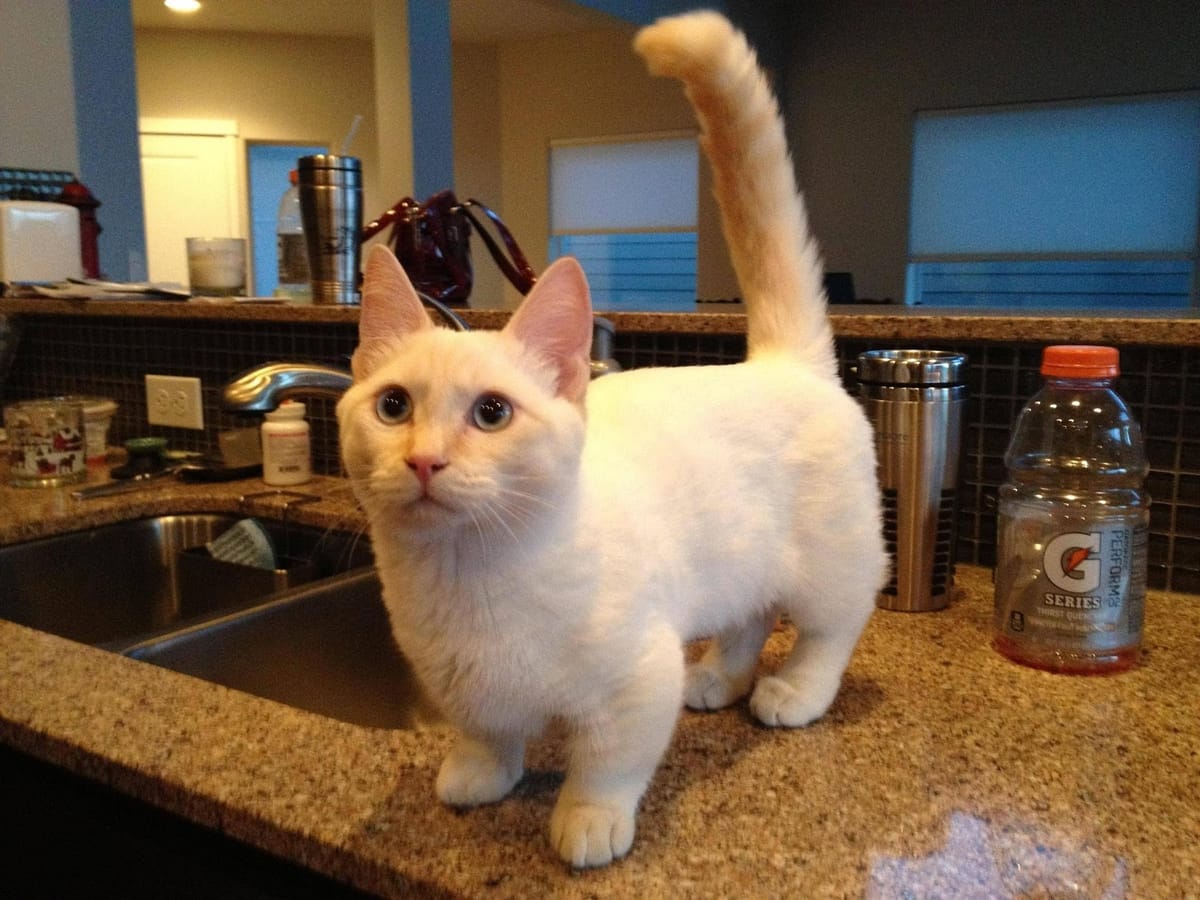
Munchkin cats are known for their playful and outgoing personalities, but their short stature and high energy levels can make feeding a challenge. As a small breed with a typical weight range of 5-9 pounds, Munchkins require careful portion control to prevent obesity, a common health issue in this breed. Their short legs and agile nature also mean they need a balanced diet that supports their joint health and overall well-being. Munchkin owners often struggle to determine the right amount of food for their cat, as overfeeding can lead to weight gain and exacerbate conditions like lordosis and arthritis. A well-structured feeding plan is essential to ensure these cats maintain a healthy weight and thrive throughout their 12-15 year lifespan. By understanding the specific dietary needs of Munchkins, owners can provide their cats with the nutrients they need to stay active, curious, and affectionate, while minimizing the risk of common health issues.
What to look for
Determine Your Munchkin's Ideal Weight
To establish a suitable feeding plan, it's crucial to determine your Munchkin's ideal weight, taking into account their age, size, and activity level. Consult with your veterinarian to set a realistic weight goal and monitor progress. For Munchkins, a healthy weight range is typically between 5-9 pounds, with a body condition score that indicates a lean, muscular build.
Choose the Right Food Type and Portion Size
Select a high-quality cat food that meets your Munchkin's nutritional needs, and follow the manufacturer's guidelines for portion sizes. As a general rule, Munchkins require about 200-300 calories per day, divided into 3-4 meals. However, this may vary depending on your cat's individual needs and activity level.
Adjust Meal Frequency and Portions Based on Age and Activity
Kittens and younger Munchkins require more frequent meals and a higher caloric intake to support their growth and energy needs. As your cat matures, you can gradually reduce the number of meals and adjust portion sizes accordingly. For example, a senior Munchkin may require fewer calories and less frequent meals to prevent weight gain and support joint health.
Monitor and Adjust Your Munchkin's Food Intake
Regularly monitor your Munchkin's weight, body condition, and overall health, and adjust their food intake as needed. Be cautious not to overfeed, as this can lead to obesity and related health issues. Also, keep an eye out for signs of underfeeding, such as weight loss or lethargy, and consult with your veterinarian if you have any concerns.
Consider Your Munchkin's Lifestyle and Living Situation
If your Munchkin is highly active or has limited mobility, you may need to adjust their food intake accordingly. For example, a Munchkin with arthritis may require a specialized diet that supports joint health, while a highly active Munchkin may need more calories to sustain their energy levels.
Frequently asked questions
How often should I feed my Munchkin cat?
The frequency of meals for your Munchkin cat depends on their age, size, and activity level. Generally, kittens and younger Munchkins require 3-4 meals per day, while adult Munchkins can thrive on 2-3 meals per day. Consult with your veterinarian to determine the best feeding schedule for your cat.
What is the ideal weight range for a Munchkin cat?
The ideal weight range for a Munchkin cat is typically between 5-9 pounds, depending on their age, size, and muscle tone. It's essential to work with your veterinarian to determine a healthy weight goal for your cat and monitor their progress.
Can I free-feed my Munchkin cat?
It's not recommended to free-feed your Munchkin cat, as this can lead to overeating and obesity. Instead, follow a structured feeding plan that takes into account your cat's age, size, and activity level, and monitor their food intake to ensure they're receiving the right amount of nutrients.
How can I prevent my Munchkin cat from becoming overweight?
To prevent your Munchkin cat from becoming overweight, it's essential to monitor their food intake, ensure they're getting regular exercise, and limit treats and snacks. You can also try feeding a weight management cat food or consulting with your veterinarian for personalized advice.
What are the consequences of overfeeding my Munchkin cat?
Overfeeding your Munchkin cat can lead to obesity, which increases the risk of common health issues like lordosis, arthritis, and diabetes. It can also reduce your cat's lifespan and overall quality of life. Consult with your veterinarian to determine the best feeding plan for your cat and prevent these potential health problems.
By following a well-structured feeding plan and monitoring your Munchkin cat's weight and overall health, you can help them maintain a healthy weight and thrive throughout their lifespan. Remember to consult with your veterinarian to determine the best feeding schedule and food type for your cat, and be cautious not to overfeed or underfeed. With the right nutrition and care, your Munchkin cat can enjoy a happy, active, and healthy life.
More for your Munchkin
Other breed-matched picks worth a look.