How Much to Feed a Newfoundland
By PetEssentialist Team · Updated June 2026 · How we review
We independently research and pick every product. When you buy through our links we may earn a commission, at no extra cost to you. How this works.
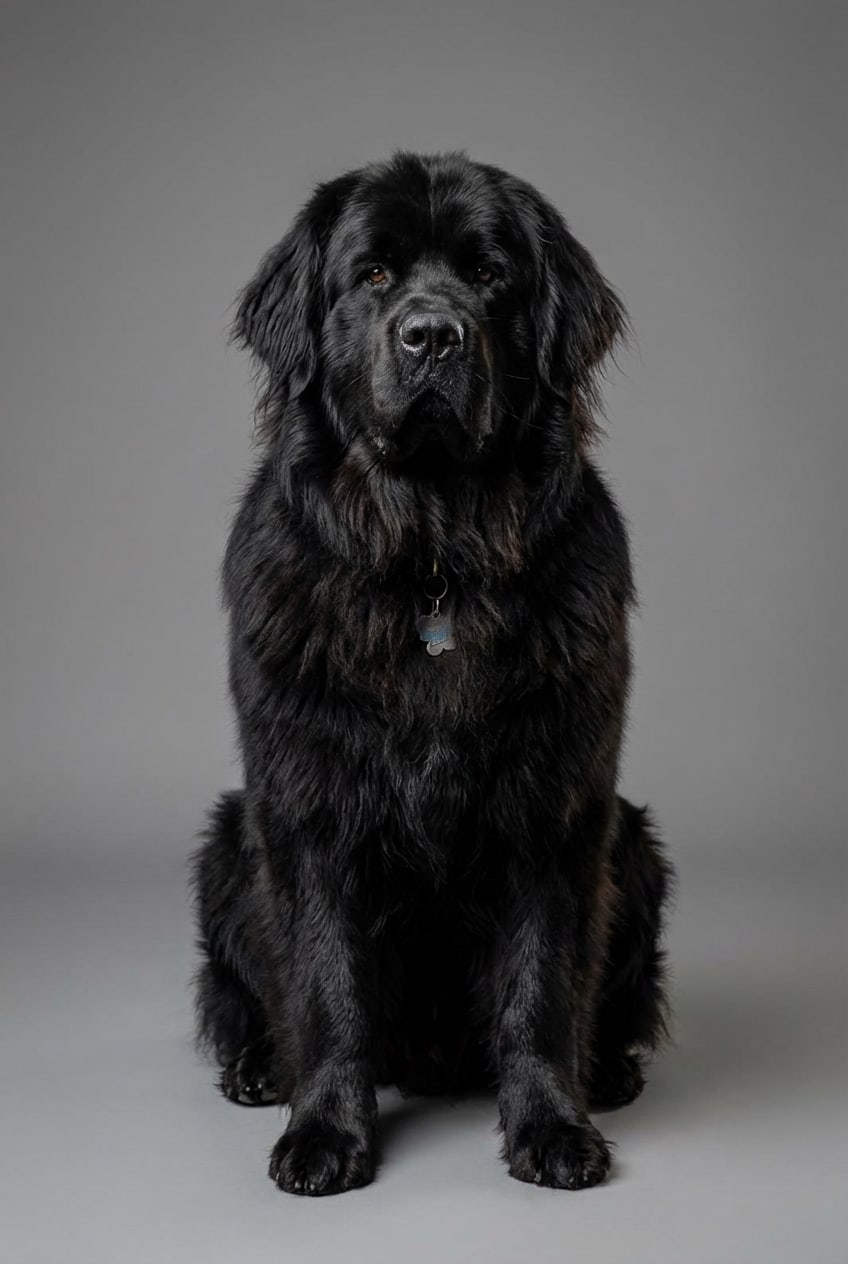
A typical Saturday morning for a Newfoundland owner might begin with a gentle giant padding into the kitchen, tail wagging, and a hopeful expression on their face. As they await their breakfast, their owner is faced with a crucial decision: how much to feed. Newfoundlands, with their massive size and thick, water-resistant coats, require a diet that meets their unique needs. Their low energy level and tendency to drool and shed heavily also play a role in determining the right feeding schedule. Newfoundlands are prone to certain health issues, such as hip dysplasia and bloat, which can be exacerbated by overfeeding or poor nutrition. As a result, it's essential for owners to understand the specific feeding requirements of their breed. With their calm and patient temperament, Newfoundlands are often described as 'sweet' and 'devoted', making them a beloved companion for many families. To ensure a Newfoundland stays healthy and thrives, their diet must be carefully managed. This involves considering factors such as age, weight, and activity level to determine the ideal portion sizes and meal frequency.
What to look for
Puppy Feeding
Newfoundland puppies require a nutrient-rich diet to support their rapid growth and development. Owners should feed their puppies 3-4 times a day, with portion sizes adjusted according to their age and weight. As they mature, the frequency of meals can be reduced to twice a day. It's crucial to monitor a puppy's weight and adjust their diet accordingly to prevent overfeeding and related health issues.
Adult Feeding
Adult Newfoundlands are relatively low-maintenance when it comes to exercise, but they still require a balanced diet to maintain their weight and overall health. Owners should aim to feed their adult Newfoundlands twice a day, with portion sizes based on their individual weight and activity level. A high-quality dog food that meets their nutritional needs is essential, and owners should avoid overfeeding to prevent obesity and related health problems.
Adjusting Portion Sizes
As Newfoundlands age or experience changes in their activity level, their portion sizes may need to be adjusted. Owners should regularly monitor their dog's weight and adjust their diet accordingly. It's also essential to consider the time of year, as Newfoundlands may require more calories in colder months to maintain their energy levels.
Meal Frequency and Timing
Newfoundlands are prone to bloat, so it's essential to feed them at least twice a day, rather than leaving food out all the time. This can help reduce the risk of bloat and other digestive issues. Owners should also aim to feed their Newfoundlands at consistent times each day to establish a routine and prevent overeating.
Monitoring Weight and Health
Regular monitoring of a Newfoundland's weight and overall health is crucial to ensure they're receiving the right amount of nutrition. Owners should work closely with their veterinarian to establish a healthy weight range and adjust their dog's diet accordingly. By doing so, they can help prevent health issues related to overfeeding or underfeeding.
Frequently asked questions
How often should I feed my Newfoundland puppy?
Newfoundland puppies should be fed 3-4 times a day, with portion sizes adjusted according to their age and weight. As they mature, the frequency of meals can be reduced to twice a day.
What is the ideal weight range for a healthy adult Newfoundland?
The ideal weight range for a healthy adult Newfoundland is between 100-150 pounds, depending on their size and muscle mass. Owners should work closely with their veterinarian to establish a healthy weight range for their individual dog.
Can I free-feed my Newfoundland, or should I feed them at set times?
It's recommended to feed Newfoundlands at set times, rather than free-feeding, to help prevent overeating and reduce the risk of bloat and other digestive issues.
How can I tell if my Newfoundland is overweight or underweight?
A Newfoundland is overweight if they have a noticeable fat layer and their ribs are difficult to feel. On the other hand, an underweight Newfoundland will have visible ribs and a lack of muscle mass. Owners should work closely with their veterinarian to determine their dog's ideal weight and adjust their diet accordingly.
What health issues can arise from overfeeding or underfeeding my Newfoundland?
Overfeeding or underfeeding a Newfoundland can lead to a range of health issues, including obesity, bloat, hip dysplasia, and other digestive problems. It's essential for owners to work closely with their veterinarian to establish a healthy diet and weight range for their individual dog.
By understanding the unique feeding requirements of their breed and adjusting portion sizes and meal frequency accordingly, Newfoundland owners can help their dogs maintain a healthy weight and prevent related health issues. It's essential to work closely with a veterinarian to establish a personalized feeding plan that meets the individual needs of their dog. With careful monitoring and adjustments, owners can help their Newfoundlands thrive and live a long, healthy life.
More for your Newfoundland
Other breed-matched picks worth a look.