Newfoundland
The Newfoundland is a giant dog known for being sweet, patient, devoted.
- Size
- giant
- Weight
- 100–150 lbs
- Life span
- 9–10 yrs
- Coat
- long thick double
- Shedding
- high
- Energy
- low
Health to watch for
Common breed predispositions — not a diagnosis. Always consult your vet.
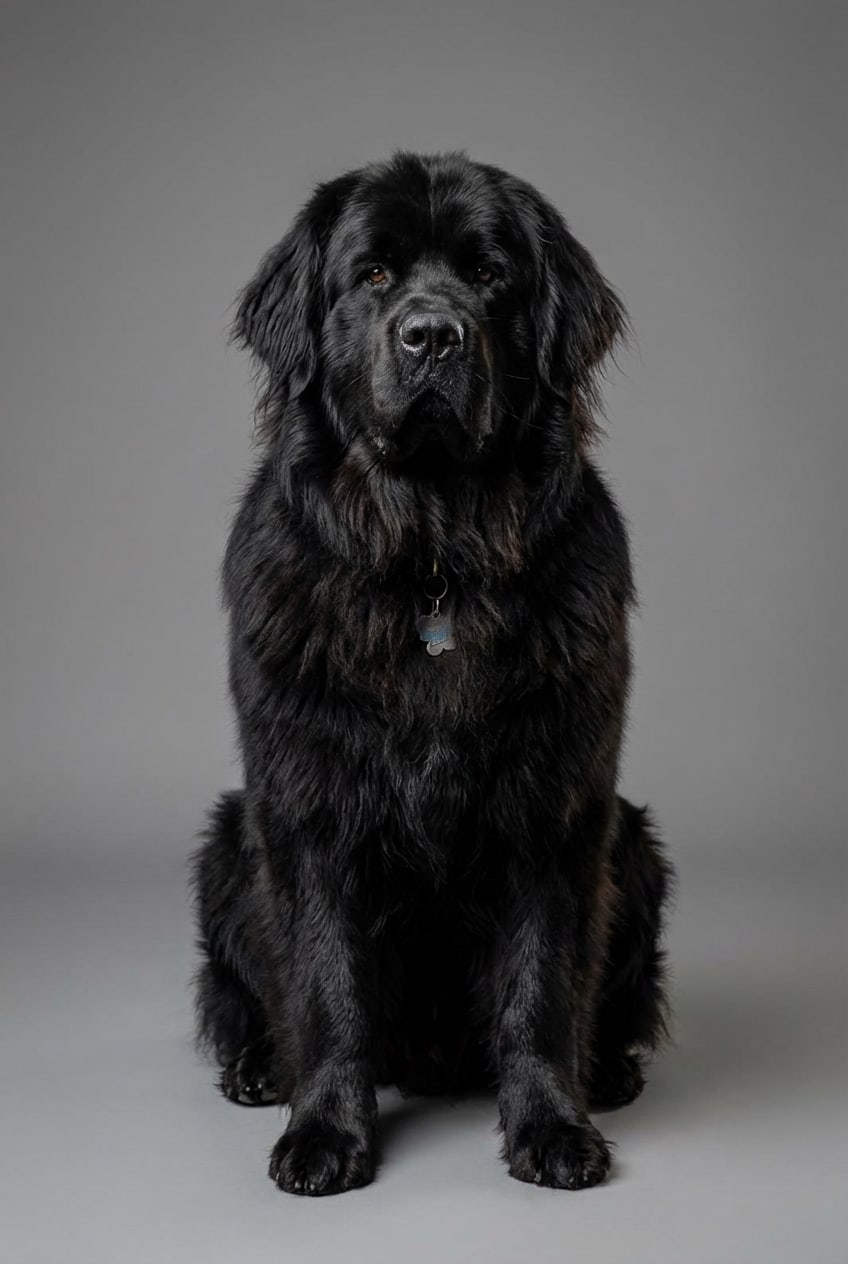
A Newfoundland's daily stroll can quickly turn into a messy affair, with their heavy, water-resistant coat shedding and matting in the presence of moisture. Their calm and patient nature makes them a beloved companion, but it also means they can be prone to overheating and drooling. As a responsible owner, it's essential to understand the unique needs of this giant breed, from their high grooming requirements to their susceptibility to costly health issues.
Newfoundlands are often described as 'nannies' due to their sweet and devoted temperament, making them an excellent addition to families with children. However, their large size and gentle nature also mean they require careful consideration when it comes to exercise and feeding. With a lifespan of 9-10 years, it's crucial to prioritize their health and well-being from an early age.
From daily grooming sessions to regular veterinary check-ups, caring for a Newfoundland requires a significant investment of time, money, and effort. But for those who are willing to put in the work, the rewards are well worth it – a lifelong companion that will provide love, comfort, and loyalty to their family.
Grooming Needs
Newfoundlands have a long, thick double coat that sheds heavily, particularly during shedding season. Regular grooming sessions are essential to prevent matting and tangling, and to reduce the amount of loose hair in the home. A daily brushing routine, combined with regular bathing and trimming, can help to keep their coat in good condition. Additionally, their nails, ears, and teeth require regular attention to prevent health issues.
Exercise and Enrichment
Despite their large size, Newfoundlands have a relatively low energy level, requiring daily walks and playtime, but not excessive exercise. They thrive on gentle, low-impact activities, such as short walks and playtime in the yard, and they love to swim. Mental stimulation is also essential, and owners can provide this through interactive toys, puzzle games, and scent work.
Feeding Considerations
Newfoundlands are prone to obesity, hip dysplasia, and other health issues, making it crucial to monitor their food intake and ensure they receive a balanced diet. Owners should feed a high-quality dog food that is formulated for giant breeds, and avoid overfeeding, as this can exacerbate health problems. Regular weigh-ins and body condition checks can help to identify any potential issues early on.
Health Considerations
Newfoundlands are susceptible to a range of costly health issues, including hip dysplasia, elbow dysplasia, heart problems, and bloat. Regular veterinary check-ups, combined with a healthy diet and regular exercise, can help to reduce the risk of these conditions. Owners should also be aware of the signs of heatstroke and take steps to prevent overheating, particularly in warm weather.
Cost and Commitment
Caring for a Newfoundland requires a significant investment of time, money, and effort. Owners should be prepared for the costs of regular grooming, veterinary care, and high-quality food, as well as the time commitment required for daily walks, playtime, and training. With a lifespan of 9-10 years, owners should be prepared to make a long-term commitment to their dog's health and well-being.
Newfoundland FAQ
How often should I groom my Newfoundland?
Newfoundlands require daily brushing to prevent matting and tangling, as well as regular bathing and trimming to keep their coat in good condition. It's recommended to brush their coat at least 2-3 times a week, and to bathe them every 2-3 months.
Can Newfoundlands tolerate hot weather?
Newfoundlands are prone to heatstroke due to their thick coat and large size. Owners should take steps to prevent overheating, such as providing plenty of shade, water, and cool surfaces, and avoiding exercise during the hottest part of the day.
What kind of exercise do Newfoundlands need?
Newfoundlands have a relatively low energy level, requiring daily walks and playtime, but not excessive exercise. They thrive on gentle, low-impact activities, such as short walks and playtime in the yard, and they love to swim.
How much should I feed my Newfoundland?
Newfoundlands are prone to obesity, so it's crucial to monitor their food intake and ensure they receive a balanced diet. Owners should feed a high-quality dog food that is formulated for giant breeds, and avoid overfeeding, as this can exacerbate health problems.
Are Newfoundlands good with children?
Yes, Newfoundlands are often described as 'nannies' due to their sweet and devoted temperament, making them an excellent addition to families with children. However, as with any breed, it's essential to socialize them well and teach children how to interact with them gently and respectfully.
Top picks for Newfoundlands
- Best Food for Newfoundlands →
- Best Dental Chews for Newfoundlands →
- Best Leashes for Newfoundlands →
- Best Treats for Newfoundlands →
- Best Beds for Newfoundlands →
- Best Collars for Newfoundlands →
- Best Crates for Newfoundlands →
- Best Harnesses for Newfoundlands →
- Best Chew Toys for Newfoundlands →
- Best Brushes for Newfoundlands →
- Best Cooling Mats for Newfoundlands →
- Best Shampoo for Newfoundlands →
- Best Nail Clippers for Newfoundlands →
- Best Toys for Newfoundlands →
- Best Joint Supplements for Newfoundlands →
- Best Ear Cleaners for Newfoundlands →
- Best Jackets & Coats for Newfoundlands →
- Best Training Pads for Newfoundlands →