How Much to Feed a Nova Scotia Duck Tolling Retriever
By PetEssentialist Team · Updated July 2026 · How we review
We independently research and pick every product. When you buy through our links we may earn a commission, at no extra cost to you. How this works.
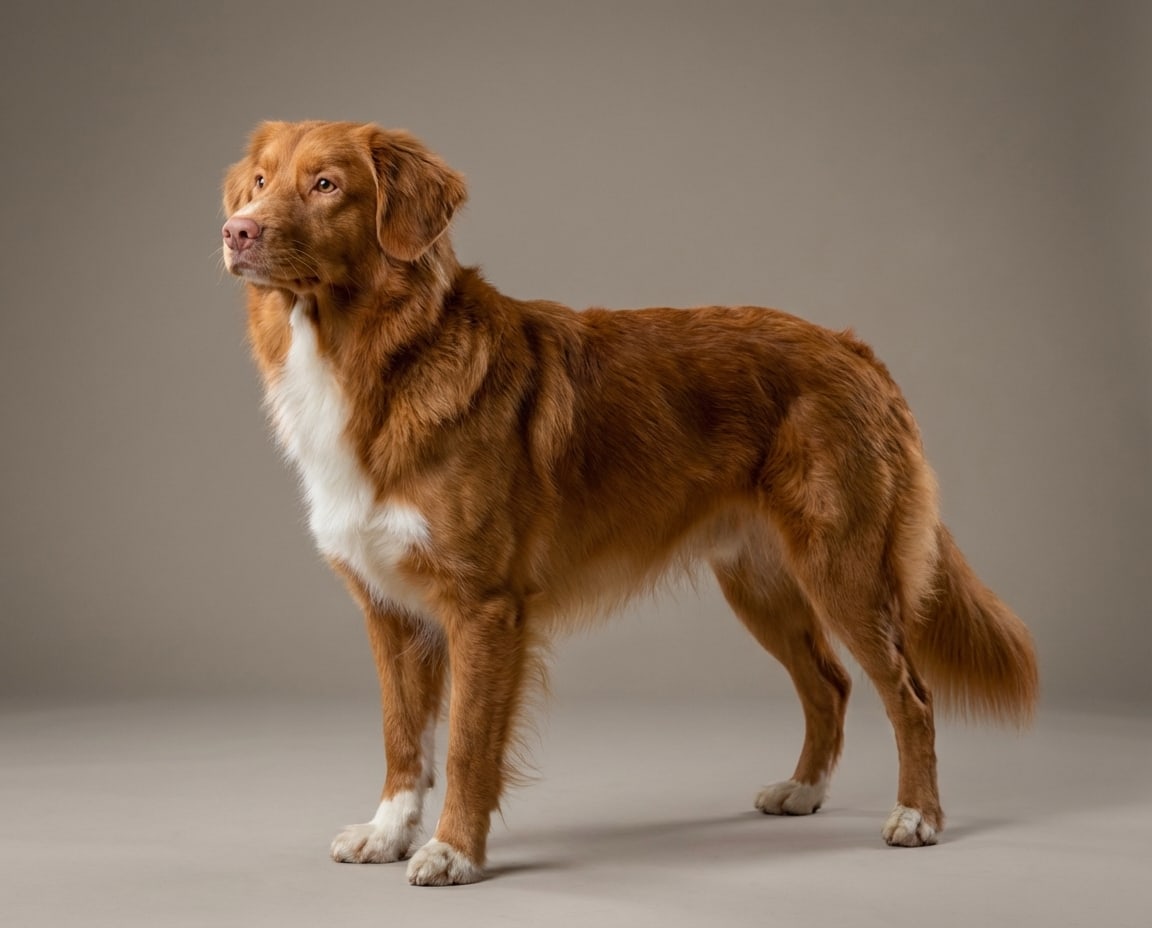
Nova Scotia Duck Tolling Retrievers require a diet that matches their high energy levels and medium size. Their water-resistant double coat and high shedding rate also demand a nutrient-rich food that supports skin and coat health. As the smallest retriever breed, they need portion sizes tailored to their individual needs. Their intelligent and outgoing temperament makes them highly trainable, but also prone to overeating if not monitored. With a lifespan of 12-14 years, it's essential to establish a feeding routine that supports their overall health and well-being. Common health issues like hip dysplasia and autoimmune disorders also emphasize the need for a balanced diet. A well-fed Nova Scotia Duck Tolling Retriever is a happy and healthy one, with a shiny coat and boundless energy to enjoy outdoor activities with their owners.
What to look for
Puppy Feeding
Nova Scotia Duck Tolling Retriever puppies need to be fed 3-4 times a day until they are six months old. After that, they can be fed twice a day. Puppy food should be rich in protein and fat to support their growth and development. It's essential to monitor their weight and adjust portion sizes accordingly to prevent overfeeding.
Adult Feeding
Adult Nova Scotia Duck Tolling Retrievers need a balanced diet that includes a mix of protein, fat, and complex carbohydrates. They require 2-3 cups of food per day, depending on their activity level and weight. High-energy dogs may need more food, while less active dogs may need less.
Activity Level
The activity level of your Nova Scotia Duck Tolling Retriever plays a significant role in determining their feeding needs. Highly active dogs that engage in regular exercise and outdoor activities may need more calories to support their energy expenditure. Less active dogs, on the other hand, may need fewer calories to prevent weight gain.
Weight Management
Maintaining a healthy weight is crucial for Nova Scotia Duck Tolling Retrievers to prevent common health issues like hip dysplasia. Regular weigh-ins and body condition assessments can help identify weight gain or loss, allowing for adjustments to be made to their feeding routine.
Adjusting Portion Sizes
As your Nova Scotia Duck Tolling Retriever grows and matures, their feeding needs will change. Regularly assessing their weight, body condition, and activity level can help you adjust their portion sizes accordingly. It's also essential to consult with your veterinarian for personalized feeding recommendations.
Frequently asked questions
How often should I feed my Nova Scotia Duck Tolling Retriever?
The frequency of feeding depends on the age and activity level of your dog. Puppies need to be fed 3-4 times a day, while adults can be fed twice a day. Highly active dogs may need more frequent feeding to support their energy needs.
What type of food is best for my Nova Scotia Duck Tolling Retriever?
A high-quality dog food that is rich in protein, fat, and complex carbohydrates is suitable for Nova Scotia Duck Tolling Retrievers. Their food should also be formulated to support skin and coat health, given their high shedding rate and water-resistant double coat.
How much food should I feed my Nova Scotia Duck Tolling Retriever?
The amount of food your Nova Scotia Duck Tolling Retriever needs depends on their weight, activity level, and age. Generally, they require 2-3 cups of food per day, but this can vary depending on individual needs.
Can I overfeed my Nova Scotia Duck Tolling Retriever?
Yes, overfeeding is a common mistake that can lead to weight gain and increase the risk of health issues like hip dysplasia. Monitoring your dog's weight and adjusting portion sizes accordingly can help prevent overfeeding.
Should I consult with my veterinarian about my Nova Scotia Duck Tolling Retriever's diet?
Yes, consulting with your veterinarian is essential to determine the best feeding plan for your Nova Scotia Duck Tolling Retriever. They can provide personalized recommendations based on your dog's individual needs, age, and health status.
To keep your Nova Scotia Duck Tolling Retriever healthy and happy, it's crucial to provide a balanced diet that meets their high energy needs and supports their overall well-being. By monitoring their weight, adjusting portion sizes, and consulting with your veterinarian, you can help prevent common health issues and ensure your dog leads a long and active life. For more information on the best dog food for your Nova Scotia Duck Tolling Retriever, visit our product picks page.
More for your Nova Scotia Duck Tolling Retriever
Other breed-matched picks worth a look.