How Much to Feed a Pekingese
By PetEssentialist Team · Updated July 2026 · How we review
We independently research and pick every product. When you buy through our links we may earn a commission, at no extra cost to you. How this works.
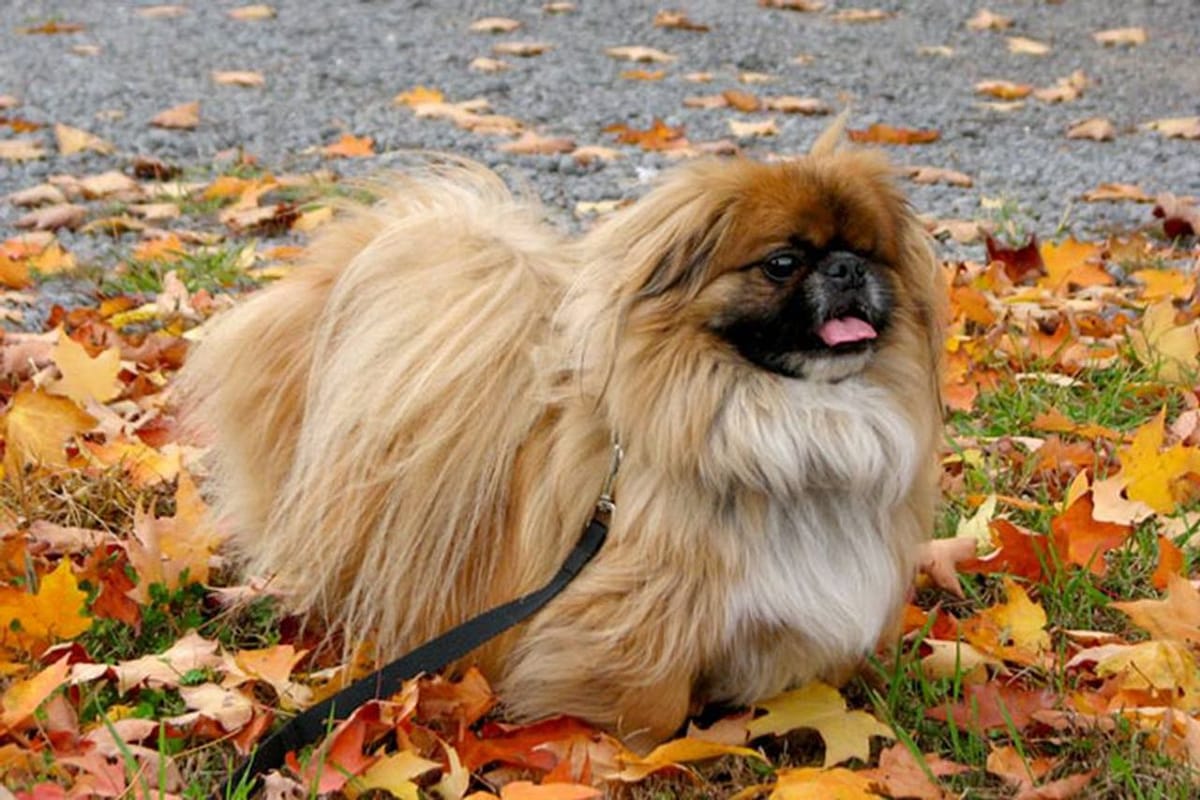
On a sweltering summer day, a Pekingese owner's greatest concern is keeping their flat-faced lap dog cool and comfortable. The Pekingese's heavy mane and low energy level make them prone to heat sensitivity, brachycephalic airway issues, and obesity. As a result, feeding them the right amount is crucial to maintain a healthy weight and prevent common health issues. The Pekingese's small size, typically weighing between 7-14 lbs, means they require careful portion control to avoid overfeeding. Their long double coat, although beautiful, sheds heavily and requires frequent grooming, which can be time-consuming but necessary to prevent matting and tangling. Understanding the Pekingese's specific needs is essential to develop a feeding plan that suits their unique characteristics. A well-structured feeding plan should take into account the Pekingese's age, weight, and activity level. By doing so, owners can ensure their dog maintains a healthy weight, reducing the risk of back problems, eye ulcers, and other common health issues associated with this breed.
What to look for
Determine Your Pekingese's Ideal Weight
To establish a suitable feeding plan, it's essential to determine your Pekingese's ideal weight. Consult with your veterinarian to assess your dog's weight and develop a plan to achieve a healthy weight range. This will help prevent obesity and related health issues. Regular weight checks and adjustments to the feeding plan will be necessary to maintain a healthy weight.
Choose the Right Food
Select a high-quality dog food that meets your Pekingese's nutritional needs, taking into account their age, weight, and activity level. Consider a food specifically formulated for small breeds or those with brachycephalic airway issues. Be sure to read labels carefully and avoid fillers or by-products that can exacerbate health issues.
Portion Control and Meal Frequency
Divide your Pekingese's daily ration into 2-3 meals to prevent overeating and reduce the risk of digestive issues. The recommended daily intake will depend on your dog's age, weight, and activity level, so be sure to follow the manufacturer's guidelines or consult with your veterinarian. Avoid free-feeding, as this can lead to overconsumption and weight gain.
Adjust for Life Stage and Activity Level
As your Pekingese grows and matures, their nutritional needs will change. Puppies require more frequent meals and a higher caloric intake, while adult dogs may need fewer calories. If your Pekingese is more active, they may require more food to meet their energy needs. Be prepared to adjust their feeding plan accordingly to ensure they receive the necessary nutrients.
Monitor and Adjust
Regularly monitor your Pekingese's weight, body condition, and overall health, making adjustments to their feeding plan as needed. Keep an eye out for signs of overfeeding or underfeeding, such as weight gain or loss, and consult with your veterinarian if you have any concerns. By staying vigilant and making adjustments, you can help your Pekingese maintain a healthy weight and reduce the risk of common health issues.
Frequently asked questions
How often should I feed my Pekingese?
The frequency of meals will depend on your Pekingese's age, weight, and activity level. Generally, puppies require 3-4 meals per day, while adult dogs can be fed 2-3 times a day. Consult with your veterinarian to determine the best feeding schedule for your dog.
What are the signs of overfeeding my Pekingese?
Signs of overfeeding include weight gain, lethargy, and digestive issues. If you notice your Pekingese is gaining weight or experiencing these symptoms, it's essential to adjust their feeding plan and consult with your veterinarian. Regular weight checks and monitoring of your dog's body condition can help prevent overfeeding.
Can I feed my Pekingese table scraps?
It's generally not recommended to feed your Pekingese table scraps, as they can be high in fat, salt, and sugar, which can exacerbate health issues. Stick to a balanced, nutrient-rich dog food, and avoid giving your dog human food or treats that can disrupt their diet.
How can I ensure my Pekingese is getting enough nutrients?
To ensure your Pekingese is getting enough nutrients, choose a high-quality dog food that meets their nutritional needs, and follow the manufacturer's guidelines or consult with your veterinarian. Regular health checks and monitoring of your dog's overall health can help identify any nutritional deficiencies or issues.
What are the consequences of underfeeding my Pekingese?
Underfeeding can lead to weight loss, lethargy, and a weakened immune system. If you suspect your Pekingese is underfed, consult with your veterinarian to adjust their feeding plan and ensure they receive the necessary nutrients to maintain optimal health.
By understanding the Pekingese's unique needs and following a well-structured feeding plan, owners can help their dog maintain a healthy weight and reduce the risk of common health issues. Regular monitoring and adjustments to the feeding plan are crucial to ensure the Pekingese receives the necessary nutrients to thrive. Consult with your veterinarian to develop a personalized feeding plan tailored to your dog's specific needs.
More for your Pekingese
Other breed-matched picks worth a look.