Pekingese
The Pekingese is a small dog known for being loyal, affectionate, regal.
- Size
- small
- Weight
- 7–14 lbs
- Life span
- 12–14 yrs
- Coat
- long double
- Shedding
- high
- Energy
- low
Health to watch for
Common breed predispositions — not a diagnosis. Always consult your vet.
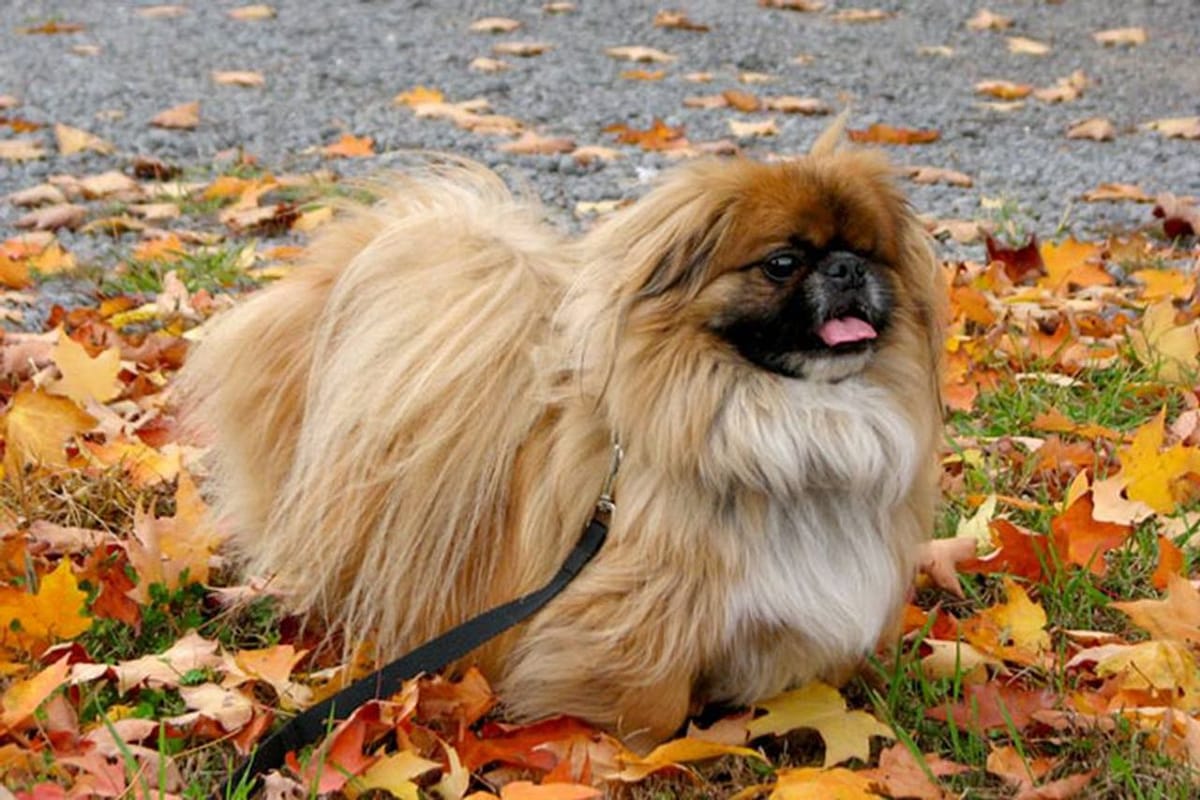
On a hot summer day, a Pekingese owner's worst fear is seeing their beloved pet struggle to breathe. The flat face and heavy mane that make this breed so adorable can also lead to brachycephalic airway problems and heat sensitivity. As a result, Pekingese owners need to be vigilant about their dog's health and take steps to prevent these issues.
Despite these challenges, Pekingese are loyal and affectionate companions who thrive on attention and care. Their long, double coat requires frequent grooming, but the payoff is a beautiful, flowing mane that's a hallmark of the breed.
With their regal demeanor and stubborn streak, Pekingese can be a handful, but their loving nature makes them a rewarding companion for the right owner.
Temperament and Training
Pekingese are known for their loyal and affectionate nature, but they can also be stubborn at times. Consistent, positive reinforcement training is essential to develop good behavior and prevent unwanted habits. Early socialization is also crucial to help your Pekingese become confident and calm in new situations.
Daily Care and Grooming
The Pekingese's long, double coat requires daily brushing to prevent matting and tangling. Regular grooming sessions also help to reduce shedding and prevent hair from getting everywhere. Additionally, their flat face and brachycephalic airway require special attention to prevent breathing difficulties and eye problems.
Exercise and Enrichment
Pekingese are not high-energy dogs and don't require a lot of exercise. Short, gentle walks and playtime are sufficient to keep them happy and healthy. However, they do need mental stimulation and enrichment to prevent boredom and destructive behavior. Interactive toys and puzzle games are great ways to challenge your Pekingese and keep them engaged.
Feeding Considerations
Pekingese are prone to obesity, so it's essential to monitor their food intake and ensure they're getting a balanced diet. They require high-quality, nutrient-rich food that's formulated for small breeds. Avoid overfeeding, as this can exacerbate health issues like IVDD and brachycephalic airway problems.
Realistic Cost and Commitment
Owning a Pekingese comes with a significant financial commitment, particularly when it comes to grooming and potential health issues. Regular grooming sessions, veterinary care, and preventative measures can add up quickly. It's essential to factor these costs into your budget and consider pet insurance to mitigate unexpected expenses.
Pekingese FAQ
How often should I groom my Pekingese?
Daily brushing is essential to prevent matting and tangling, while regular grooming sessions (every 4-6 weeks) can help reduce shedding and prevent hair from getting everywhere.
Why is my Pekingese prone to breathing difficulties?
The Pekingese's flat face and brachycephalic airway can lead to breathing difficulties, particularly in hot or humid weather. It's essential to monitor your dog's temperature and provide a cool, well-ventilated environment to prevent these issues.
Can Pekingese be left alone for long periods?
Pekingese are social dogs that thrive on attention and interaction. While they can be left alone for short periods, it's not recommended to leave them alone for extended periods, as this can lead to separation anxiety and destructive behavior.
How much exercise does my Pekingese need?
Pekingese are not high-energy dogs and require short, gentle walks and playtime. Aim for 20-30 minutes of exercise per day, including mental stimulation and enrichment activities to prevent boredom and destructive behavior.
What are the most common health issues in Pekingese?
Pekingese are prone to brachycephalic airway problems, heat sensitivity, IVDD (back problems), and eye ulcers. Regular veterinary check-ups and preventative measures can help mitigate these issues, but it's essential to be aware of the potential risks and take steps to address them.
Top picks for Pekingeses
- Best Brushes for Pekingeses →
- Best Treats for Pekingeses →
- Best Food for Pekingeses →
- Best Beds for Pekingeses →
- Best Collars for Pekingeses →
- Best Crates for Pekingeses →
- Best Harnesses for Pekingeses →
- Best Dental Chews for Pekingeses →
- Best Leashes for Pekingeses →
- Best Nail Clippers for Pekingeses →
- Best Shampoo for Pekingeses →
- Best Toys for Pekingeses →
- Best Ear Cleaners for Pekingeses →
- Best Chew Toys for Pekingeses →
- Best Joint Supplements for Pekingeses →
- Best Jackets & Coats for Pekingeses →
- Best Training Pads for Pekingeses →
- Best Cooling Mats for Pekingeses →