How Much to Feed a Ragamuffin
By PetEssentialist Team · Updated July 2026 · How we review
We independently research and pick every product. When you buy through our links we may earn a commission, at no extra cost to you. How this works.
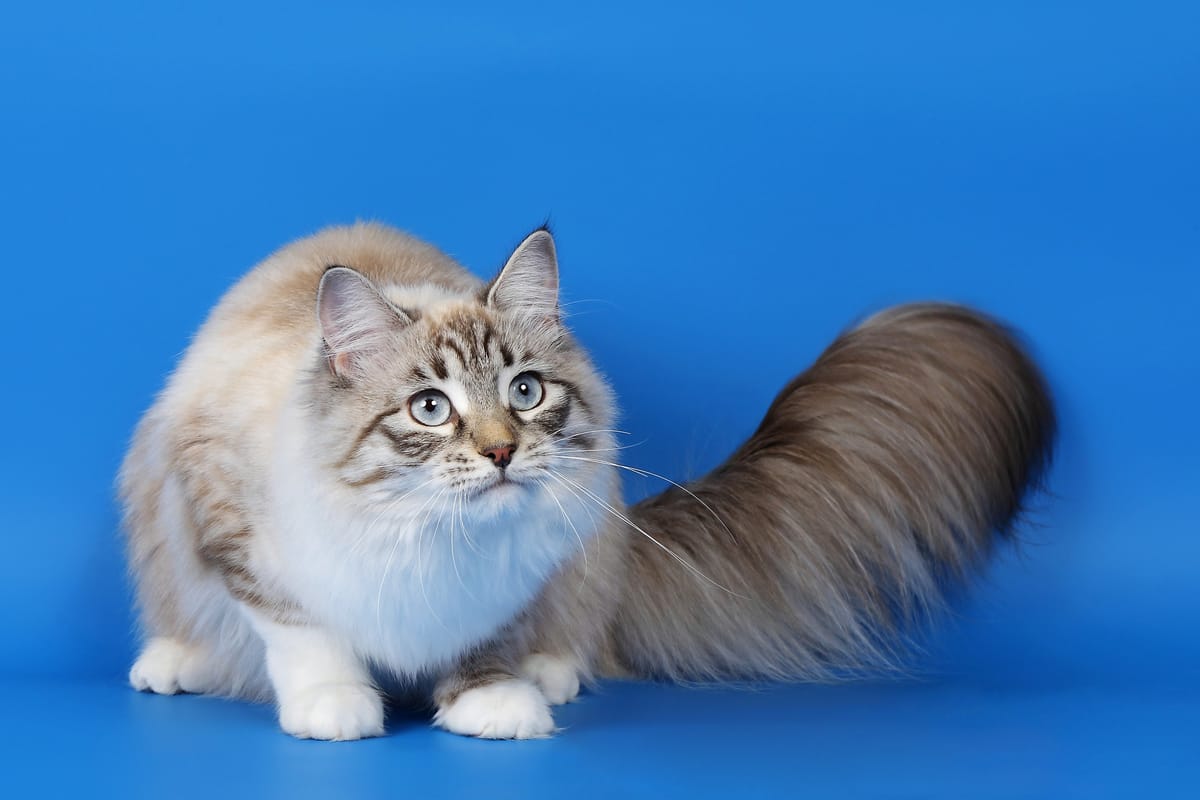
The Ragamuffin's propensity for weight gain is a significant concern, as obesity can exacerbate common health issues like heart disease and polycystic kidney disease. Given their large size and moderate energy level, it's essential to monitor their food intake closely. A crucial aspect of Ragamuffin care is managing their diet to prevent excessive weight gain, which can lead to a range of health problems. Ragamuffins are known for their affectionate and docile nature, which can make them prone to overfeeding, especially if they're fed table scraps or given too many treats. Their moderate grooming needs and long, plush coat also require attention, but it's their diet that plays a critical role in maintaining their overall health. As a responsible Ragamuffin owner, understanding how much to feed your cat is vital to ensuring they lead a long and healthy life. With their tendency to go limp when held and their love of lounging, it's easy to overlook the importance of a balanced diet for Ragamuffins. However, by following a few key principles, owners can help their cats maintain a healthy weight and reduce the risk of obesity-related health issues.
What to look for
Calculate Daily Caloric Needs
To determine how much to feed a Ragamuffin, calculate their daily caloric needs based on their age, weight, and activity level. For example, a 15-pound Ragamuffin with moderate activity needs around 350-400 calories per day. Divide this into 2-3 meals to prevent overeating and maintain a healthy weight. Monitor their food intake closely, as Ragamuffins can quickly become overweight if fed too much.
Choose the Right Food
Select a high-quality cat food that meets the Ragamuffin's nutritional needs, taking into account their age, health status, and lifestyle. Consider a food that is formulated for large breeds and has a balanced mix of protein, fat, and carbohydrates. Avoid fillers and by-products, which can contribute to weight gain and other health problems.
Adjust Portion Sizes
As Ragamuffins grow and mature, their dietary needs change. Kittens require more calories and nutrients than adult cats, while senior cats may need fewer calories to maintain a healthy weight. Adjust portion sizes accordingly, and consider a gradual transition to a senior food formula around 10-12 years of age.
Monitor Progress
Regularly weigh and assess your Ragamuffin's body condition to ensure they're maintaining a healthy weight. Consult with a veterinarian if you notice any significant changes or concerns. Keep in mind that Ragamuffins can be prone to weight gain, so it's essential to stay vigilant and make adjustments as needed.
Avoid Overfeeding
Ragamuffins are prone to overeating, especially if they're fed table scraps or given too many treats. Limit treats and snacks to 10% of their daily caloric intake, and avoid feeding them human food, which can be high in fat and calories. By being mindful of their food intake, you can help prevent obesity and related health issues.
Frequently asked questions
How often should I feed my Ragamuffin?
Feed your Ragamuffin 2-3 times a day, depending on their age and activity level. Kittens may require more frequent feedings, while adult cats can thrive on twice-a-day feedings.
What is the ideal weight for a Ragamuffin?
The ideal weight for a Ragamuffin depends on their age, sex, and size, but generally falls within the 10-20 pound range. Consult with a veterinarian to determine a healthy weight range for your individual cat.
Can I free-feed my Ragamuffin?
No, it's not recommended to free-feed a Ragamuffin, as they can easily become overweight. Instead, feed them measured portions at set times to maintain a healthy weight and prevent overeating.
How can I prevent my Ragamuffin from getting hairballs?
To prevent hairballs, brush your Ragamuffin regularly to reduce shedding, and consider adding a small amount of canned tuna or pumpkin to their diet to help move hair through their digestive system.
What are the signs of obesity in Ragamuffins?
Signs of obesity in Ragamuffins include visible fat deposits, a rounded abdomen, and difficulty moving or breathing. If you notice any of these signs, consult with a veterinarian to develop a weight loss plan.
By understanding the unique dietary needs of Ragamuffins and following these guidelines, owners can help their cats maintain a healthy weight and reduce the risk of obesity-related health issues. Prioritize a balanced diet and regular monitoring to ensure your Ragamuffin leads a long and healthy life. Consult with a veterinarian for personalized feeding recommendations tailored to your cat's individual needs.
More for your Ragamuffin
Other breed-matched picks worth a look.