How Much to Feed a Rhodesian Ridgeback
By PetEssentialist Team · Updated June 2026 · How we review
We independently research and pick every product. When you buy through our links we may earn a commission, at no extra cost to you. How this works.
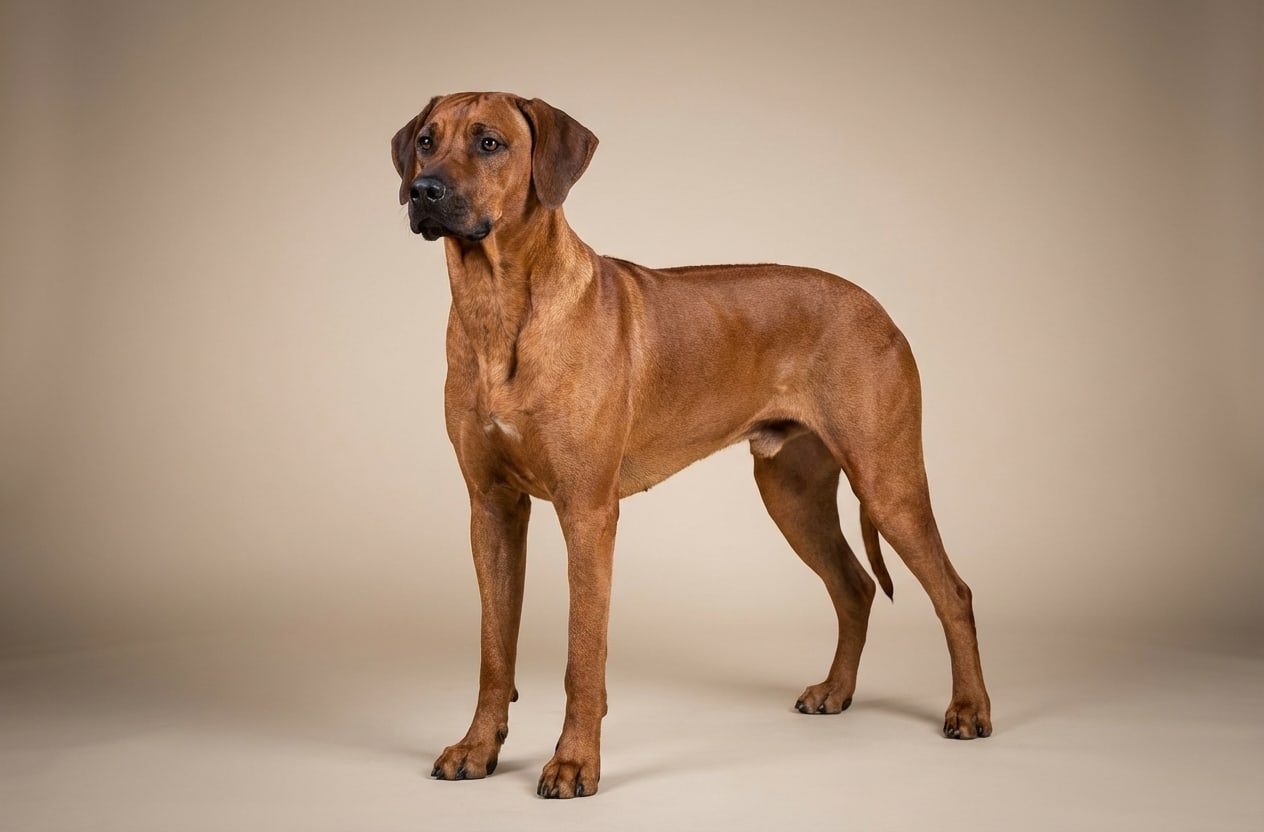
The Rhodesian Ridgeback's athletic build and high energy level require a carefully balanced diet to maintain a healthy weight. A deep-chested breed prone to bloat, they need meals that are both nourishing and easy to digest. With their short, low-maintenance coat, owners can focus on providing the right amount of fuel for their active lifestyle. As a large and powerful hound, the Rhodesian Ridgeback's feeding needs are distinct from smaller or less energetic breeds. Their dignified and strong-willed temperament also means they thrive on routine and clear boundaries, including a consistent feeding schedule. By understanding the specific needs of this breed, owners can help prevent common health issues like hip dysplasia and thyroid problems. A well-fed Rhodesian Ridgeback is a happy and healthy one, with a shiny coat and a lively demeanor. With the right approach to feeding, owners can help their dog reach their full potential and enjoy a long, active life together.
What to look for
Puppy Feeding
Rhodesian Ridgeback puppies need 3-4 meals a day until they are about six months old, after which they can be switched to twice a day. It's essential to provide a high-quality puppy food that meets their nutritional needs for growth and development. Owners should aim to feed 1-1.5 cups of food per 10 pounds of body weight per day, divided into the appropriate number of meals.
Adult Feeding
Adult Rhodesian Ridgebacks need 2-3 cups of food per day, depending on their activity level and weight. For example, a sedentary Ridgeback may need 2 cups per day, while a highly active one may need 3 cups. It's crucial to choose a high-quality adult food that meets their nutritional needs and to monitor their weight and adjust feeding amounts accordingly.
Feeding for Activity Level
Rhodesian Ridgebacks are highly energetic dogs that require a diet that supports their activity level. For example, a Ridgeback that runs or hikes regularly may need more calories and protein than one that only goes for short walks. Owners should adjust their dog's feeding amount and type based on their individual needs and activity level.
Preventing Bloat
To prevent bloat, it's recommended to feed Rhodesian Ridgebacks smaller, more frequent meals throughout the day. This can help reduce the risk of gastric dilatation-volvulus (GDV) and other digestive issues. Owners should also avoid exercising their dog immediately after meals and choose a food that is easy to digest.
Monitoring Weight
Regular weight checks are essential to ensure that a Rhodesian Ridgeback is at a healthy weight. Owners should monitor their dog's weight and adjust their feeding amount and type accordingly. A healthy weight can help prevent common health issues like hip dysplasia and thyroid problems, and ensure that the dog lives a long and active life.
Frequently asked questions
How often should I feed my Rhodesian Ridgeback?
The frequency of feeding depends on the age and activity level of your Rhodesian Ridgeback. Puppies need 3-4 meals a day, while adults can be fed 2-3 times a day. It's essential to consult with a veterinarian to determine the best feeding schedule for your dog.
What is the best food for my Rhodesian Ridgeback?
The best food for a Rhodesian Ridgeback depends on their individual needs, including their age, activity level, and health status. Owners should choose a high-quality food that meets their dog's nutritional needs and consult with a veterinarian for recommendations.
Can I feed my Rhodesian Ridgeback a raw diet?
While some owners choose to feed their Rhodesian Ridgebacks a raw diet, it's essential to consult with a veterinarian before making any changes to their diet. A raw diet can be beneficial for some dogs, but it may not provide all the necessary nutrients for a Rhodesian Ridgeback.
How can I prevent my Rhodesian Ridgeback from becoming overweight?
To prevent a Rhodesian Ridgeback from becoming overweight, owners should monitor their dog's weight regularly and adjust their feeding amount and type accordingly. Regular exercise, such as running or hiking, can also help maintain a healthy weight.
What are the signs of bloat in a Rhodesian Ridgeback?
The signs of bloat in a Rhodesian Ridgeback include vomiting, restlessness, and a swollen abdomen. If you suspect that your dog has bloat, it's essential to seek veterinary attention immediately, as this condition can be life-threatening.
Feeding a Rhodesian Ridgeback requires careful consideration of their age, weight, and activity level. By choosing the right food and feeding schedule, owners can help their dog maintain a healthy weight and prevent common health issues. Regular weight checks and monitoring of their dog's overall health are also crucial to ensure that they live a long and active life. Consult with a veterinarian to determine the best feeding plan for your Rhodesian Ridgeback.
More for your Rhodesian Ridgeback
Other breed-matched picks worth a look.