How Much to Feed a Russian Blue
By PetEssentialist Team · Updated June 2026 · How we review
We independently research and pick every product. When you buy through our links we may earn a commission, at no extra cost to you. How this works.
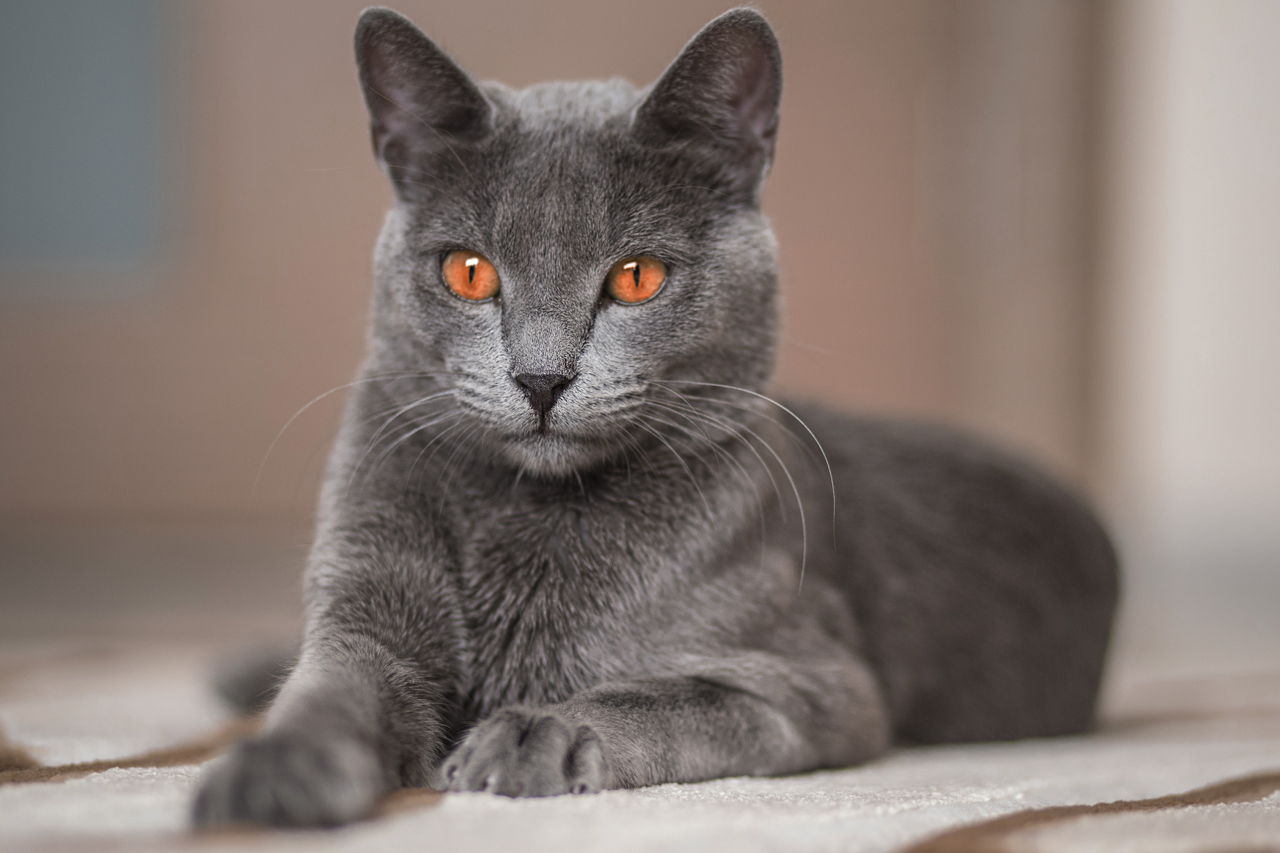
The Russian Blue's plush silver-blue double coat requires a balanced diet to maintain its distinctive appearance. As a medium-sized breed with a moderate energy level, Russian Blues need a diet that supports their gentle and reserved nature. Their tendency to become obese means that portion control is crucial, making it essential to understand how much to feed them at different stages of their life. Russian Blues are prone to common health issues such as obesity, bladder stones, and dental disease, which can be managed through a healthy diet and proper feeding habits. Their low grooming needs and moderate shedding mean that they require less frequent grooming, but their diet still plays a critical role in maintaining their overall health. By understanding the specific feeding needs of Russian Blues, owners can help prevent these health issues and ensure their cat lives a long and healthy life. As a loyal and quiet breed, Russian Blues thrive on routine, and their feeding schedule should reflect this. By establishing a consistent feeding routine and monitoring their food intake, owners can help their Russian Blue maintain a healthy weight and reduce the risk of obesity and other related health issues.
What to look for
Kittenhood (0-12 months)
During the first year, Russian Blue kittens need to be fed 3-4 times a day, with portions gradually increasing as they grow. It's essential to monitor their weight and adjust their food intake accordingly to prevent overfeeding. As they approach adulthood, their feeding schedule can be adjusted to twice a day, with portion sizes tailored to their individual needs.
Adult Russian Blues (1-7 years)
Adult Russian Blues require a balanced diet that meets their moderate energy needs. They should be fed twice a day, with portion sizes based on their individual weight and activity level. Owners should aim to feed their Russian Blue 2-3% of their body weight per day, divided into two meals.
Senior Russian Blues (8+ years)
As Russian Blues age, their energy needs decrease, and their diet should be adjusted accordingly. Senior Russian Blues may require less food, and their portions should be reduced to prevent overfeeding. Owners should also consider switching to a senior-specific cat food that meets their changing nutritional needs.
Adjusting for Activity Level
Russian Blues with high activity levels may require more food to support their energy needs, while those with low activity levels may need less. Owners should monitor their Russian Blue's activity level and adjust their food intake accordingly to prevent overfeeding or underfeeding.
Monitoring Weight and Adjusting Portions
Regular weight checks are crucial to ensure Russian Blues maintain a healthy weight. Owners should monitor their cat's weight and adjust their food portions accordingly, taking into account their individual needs and activity level. This will help prevent obesity and related health issues.
Frequently asked questions
How often should I feed my Russian Blue kitten?
Russian Blue kittens should be fed 3-4 times a day during the first year, with portions gradually increasing as they grow. As they approach adulthood, their feeding schedule can be adjusted to twice a day.
What is the ideal weight for a Russian Blue cat?
The ideal weight for a Russian Blue cat is between 7-12 pounds, depending on their individual size and muscle tone. Owners should aim to maintain a healthy weight through a balanced diet and regular exercise.
Can I free-feed my Russian Blue?
It's not recommended to free-feed Russian Blues, as this can lead to overfeeding and obesity. Instead, owners should establish a consistent feeding schedule and monitor their cat's food intake to ensure they're getting the right amount of nutrients.
How can I prevent my Russian Blue from becoming obese?
To prevent obesity in Russian Blues, owners should monitor their cat's weight and adjust their food portions accordingly. They should also ensure their cat gets regular exercise and mental stimulation to prevent overeating due to boredom.
What health issues can be managed through proper feeding habits?
Proper feeding habits can help manage common health issues in Russian Blues, such as obesity, bladder stones, and dental disease. A balanced diet and regular weight checks can help prevent these issues and ensure a long and healthy life for the cat.
To keep a Russian Blue cat healthy, it's essential to establish a consistent feeding routine and monitor their food intake. By understanding their specific feeding needs and adjusting their diet accordingly, owners can help prevent obesity and related health issues. Regular weight checks and a balanced diet are crucial to maintaining a healthy weight and ensuring a long and happy life for the cat.
More for your Russian Blue
Other breed-matched picks worth a look.