How Much to Feed a Savannah
By PetEssentialist Team · Updated July 2026 · How we review
We independently research and pick every product. When you buy through our links we may earn a commission, at no extra cost to you. How this works.
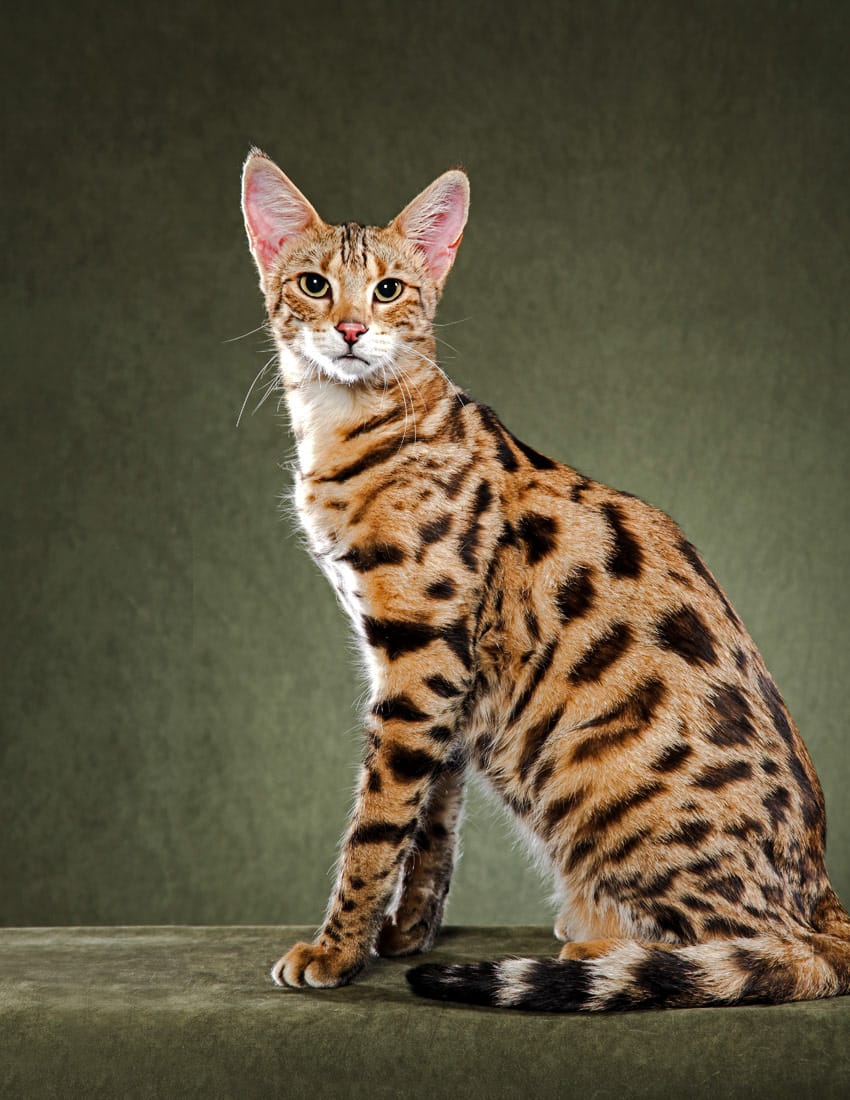
The Savannah's tall, athletic build and extremely high energy level require a tailored approach to nutrition. Their short, spotted coat and low shedding rate mean they don't need as many calories for coat maintenance as other breeds, but their active lifestyle demands a diet rich in protein and nutrients. As a hybrid breed with a mix of domestic cat and serval ancestry, Savannahs have unique needs that set them apart from other cats. Their adventurous and curious nature means they need plenty of stimulation and exercise to prevent boredom and stress, which can impact their appetite and overall health. To keep a Savannah at a healthy weight, owners must balance their high energy expenditure with a suitable diet, taking into account their age, weight, and activity level.
What to look for
Kittenhood (0-12 months)
Savannah kittens require more frequent, nutrient-rich meals to support their rapid growth and development. Feed 3-4 times a day, with a focus on high-protein, moderate-fat diets. Monitor weight and adjust portion sizes to prevent overfeeding, which can lead to digestive issues and other health problems.
Adult Maintenance
Adult Savannahs need 2-3 meals per day, with a balance of protein, fat, and complex carbohydrates. Their high energy level means they require more calories than less active breeds, but portion sizes should be adjusted to maintain a healthy weight. Aim for a weight range of 8-20 pounds, depending on the individual cat's size and muscle mass.
Activity Level Adjustments
Savannahs that engage in high-intensity play or have access to outdoor enclosures may require more calories to support their energy expenditure. Conversely, less active cats may need fewer calories to prevent weight gain. Monitor your cat's activity level and adjust their diet accordingly to maintain a healthy weight and prevent obesity-related health issues.
Health Considerations
Savannahs are prone to certain health issues, such as heart problems and digestive sensitivity, which can impact their nutritional needs. Consult with a veterinarian to determine the best diet for your cat based on their individual health status and needs. Certain nutrient deficiencies, such as taurine deficiency, may also require specialized dietary supplementation.
Monitoring and Adjusting
Regularly monitor your Savannah's weight, body condition, and overall health, and adjust their diet as needed. Be patient and allow for gradual changes, as sudden shifts in diet or portion sizes can cause digestive upset. Work with a veterinarian to determine the best feeding strategy for your cat and make adjustments as they grow and mature.
Frequently asked questions
How often should I feed my Savannah kitten?
Savannah kittens require 3-4 meals per day, spaced evenly apart, to support their rapid growth and development. As they mature, you can gradually transition to 2-3 meals per day.
What is the ideal weight range for a Savannah cat?
The ideal weight range for a Savannah cat is 8-20 pounds, depending on the individual cat's size and muscle mass. However, this can vary depending on factors such as age, sex, and activity level.
Can Savannahs be fed a raw diet?
While some owners choose to feed their Savannahs a raw diet, it's essential to consult with a veterinarian to ensure the diet is balanced and complete. Raw diets can be risky if not properly formulated, and may lead to nutrient deficiencies or other health problems.
How can I prevent my Savannah from becoming overweight?
To prevent your Savannah from becoming overweight, monitor their food intake and adjust portion sizes as needed. Also, ensure they have plenty of opportunities for exercise and play, and consider providing puzzle toys and interactive feeding systems to keep them mentally stimulated.
What are the signs of digestive sensitivity in Savannahs, and how can I address them?
Signs of digestive sensitivity in Savannahs may include vomiting, diarrhea, or abdominal pain. If you suspect your cat is experiencing digestive issues, consult with a veterinarian to determine the best course of action, which may include dietary changes or supplements to support digestive health.
For Savannah owners, the key to maintaining a healthy weight and optimal energy level is to find a balance between nutrient-rich meals and plenty of opportunities for exercise and play. By monitoring their cat's weight, body condition, and overall health, and making adjustments as needed, owners can help their Savannah thrive and prevent common health issues. Consult with a veterinarian to determine the best feeding strategy for your individual cat.
More for your Savannah
Other breed-matched picks worth a look.