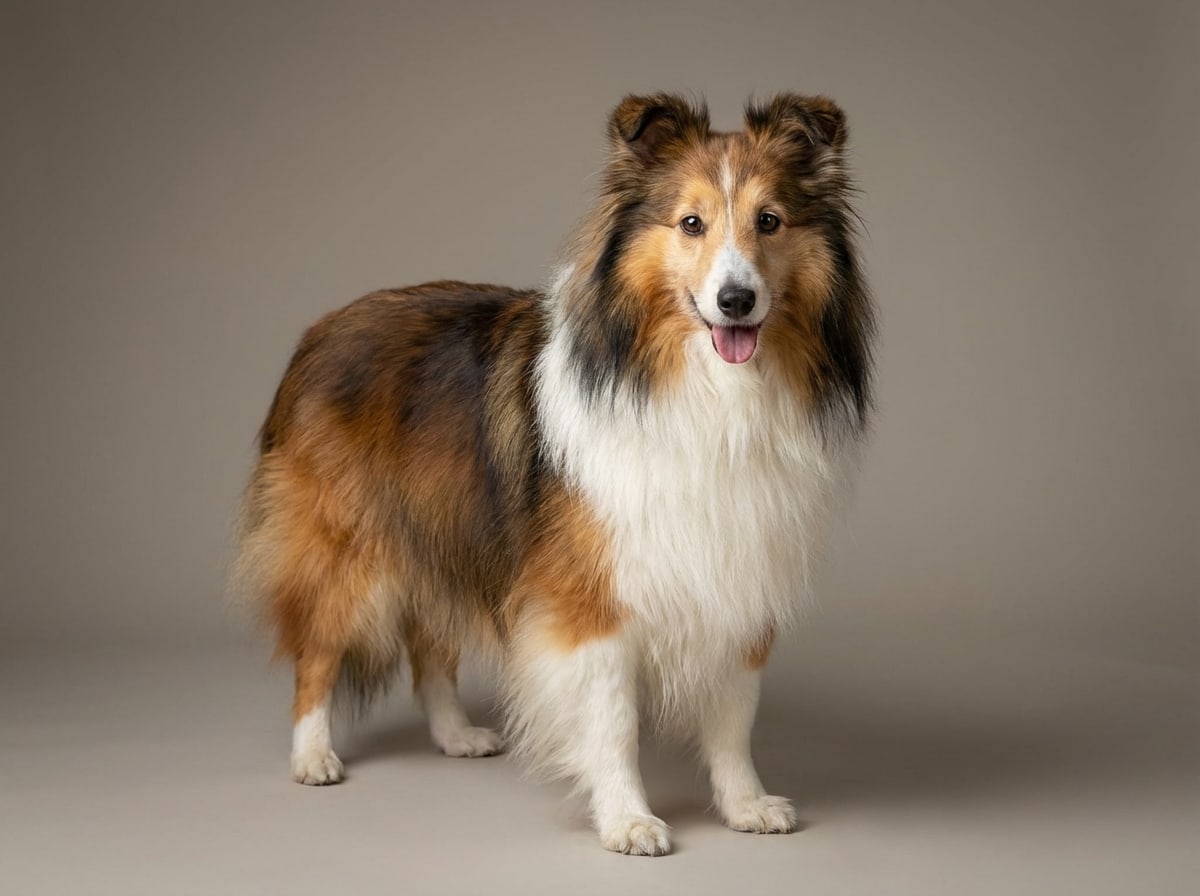
How Much to Feed a Shetland Sheepdog
By PetEssentialist Team · Updated July 2026 · How we review
We independently research and pick every product. When you buy through our links we may earn a commission, at no extra cost to you. How this works.
For Shetland Sheepdog owners, understanding the unique nutritional needs of their breed is crucial for maintaining a healthy weight and preventing common health issues. The Shetland Sheepdog's high energy level and thick double coat require a balanced diet that meets their specific needs. With their sensitive temperament, it's essential to introduce new foods gradually and monitor their reaction. Shetland Sheepdogs are prone to hip dysplasia and eye conditions, making a well-structured feeding plan vital for preventing these issues. A suitable feeding plan should consider the dog's age, weight, and activity level to ensure they receive the necessary nutrients for optimal health. Owners of Shetland Sheepdogs should be prepared to adjust their feeding plan as their dog grows and matures, taking into account their breed-specific characteristics and potential health concerns.
What to look for
Calculate Daily Caloric Needs
To determine the optimal amount of food for a Shetland Sheepdog, calculate their daily caloric needs based on their age, weight, and activity level. For example, a young, active Shetland Sheepdog may require 1,000-1,200 calories per day, while a less active adult may need 800-1,000 calories. Divide this daily caloric intake into 2-3 meals to maintain a healthy weight and prevent overeating.
Choose the Right Food Type
Shetland Sheepdogs require a balanced diet that meets their high energy needs and supports their coat health. Look for a nutrient-rich dog food that contains high-quality protein sources, such as chicken or salmon, and whole grains like brown rice or oats. Avoid fillers and by-products that can trigger allergies or digestive issues in sensitive dogs.
Adjust for Life Stage and Activity
Shetland Sheepdogs have different nutritional needs at various life stages. Puppies require more calories and protein for growth and development, while adults need a balanced diet that maintains their weight and supports their coat health. Senior dogs may require fewer calories and more joint support to prevent hip dysplasia and other age-related issues.
Monitor and Adjust Portion Sizes
Regularly monitor a Shetland Sheepdog's weight and adjust their portion sizes accordingly. Be cautious not to overfeed, as this breed can be prone to obesity, which increases the risk of hip dysplasia and other health issues. Use a measuring cup to ensure accurate portion sizes, and avoid free-feeding, which can lead to overeating and weight gain.
Consider Health Supplements
In addition to a balanced diet, some Shetland Sheepdogs may benefit from health supplements, such as omega-3 fatty acids for coat health or joint supplements to prevent hip dysplasia. However, always consult with a veterinarian before adding any supplements to a dog's diet, as they can interact with other health conditions or medications.
Frequently asked questions
How often should I feed my Shetland Sheepdog?
Shetland Sheepdogs should be fed 2-3 times a day, depending on their age and activity level. Puppies may require more frequent feeding, while adults can thrive on a twice-daily feeding schedule.
Can I feed my Shetland Sheepdog a raw diet?
While some owners swear by raw diets, it's essential to consult with a veterinarian before making any significant changes to a Shetland Sheepdog's diet. Raw diets can be beneficial for some dogs, but they may not provide the necessary nutrients for this breed's specific needs.
Why is my Shetland Sheepdog always hungry?
Shetland Sheepdogs are known for their high energy level and may require more calories than other breeds. However, if a dog is always hungry, it may be a sign of overfeeding or poor nutrition. Consult with a veterinarian to rule out any underlying health issues and adjust the feeding plan accordingly.
Can I give my Shetland Sheepdog treats?
Yes, but in moderation. Shetland Sheepdogs can be prone to obesity, so it's essential to limit treats and choose low-calorie, nutrient-rich options. Avoid giving table scraps, as they can be high in fat and salt, and opt for healthy, breed-specific treats instead.
How can I prevent my Shetland Sheepdog from becoming obese?
To prevent obesity in Shetland Sheepdogs, monitor their weight regularly, adjust portion sizes accordingly, and ensure they receive regular exercise and mental stimulation. Avoid overfeeding, and limit treats to maintain a healthy weight and prevent related health issues.
For Shetland Sheepdog owners, a well-structured feeding plan is crucial for maintaining their dog's optimal health and happiness. By understanding the breed's specific nutritional needs and adjusting the feeding plan accordingly, owners can help prevent common health issues and ensure their Shetland Sheepdog thrives. Consult with a veterinarian to determine the best feeding plan for a specific dog, and prioritize their unique needs to ensure a long, healthy life.
More for your Shetland Sheepdog
Other breed-matched picks worth a look.