How Much to Feed a Sphynx
By PetEssentialist Team · Updated June 2026 · How we review
We independently research and pick every product. When you buy through our links we may earn a commission, at no extra cost to you. How this works.
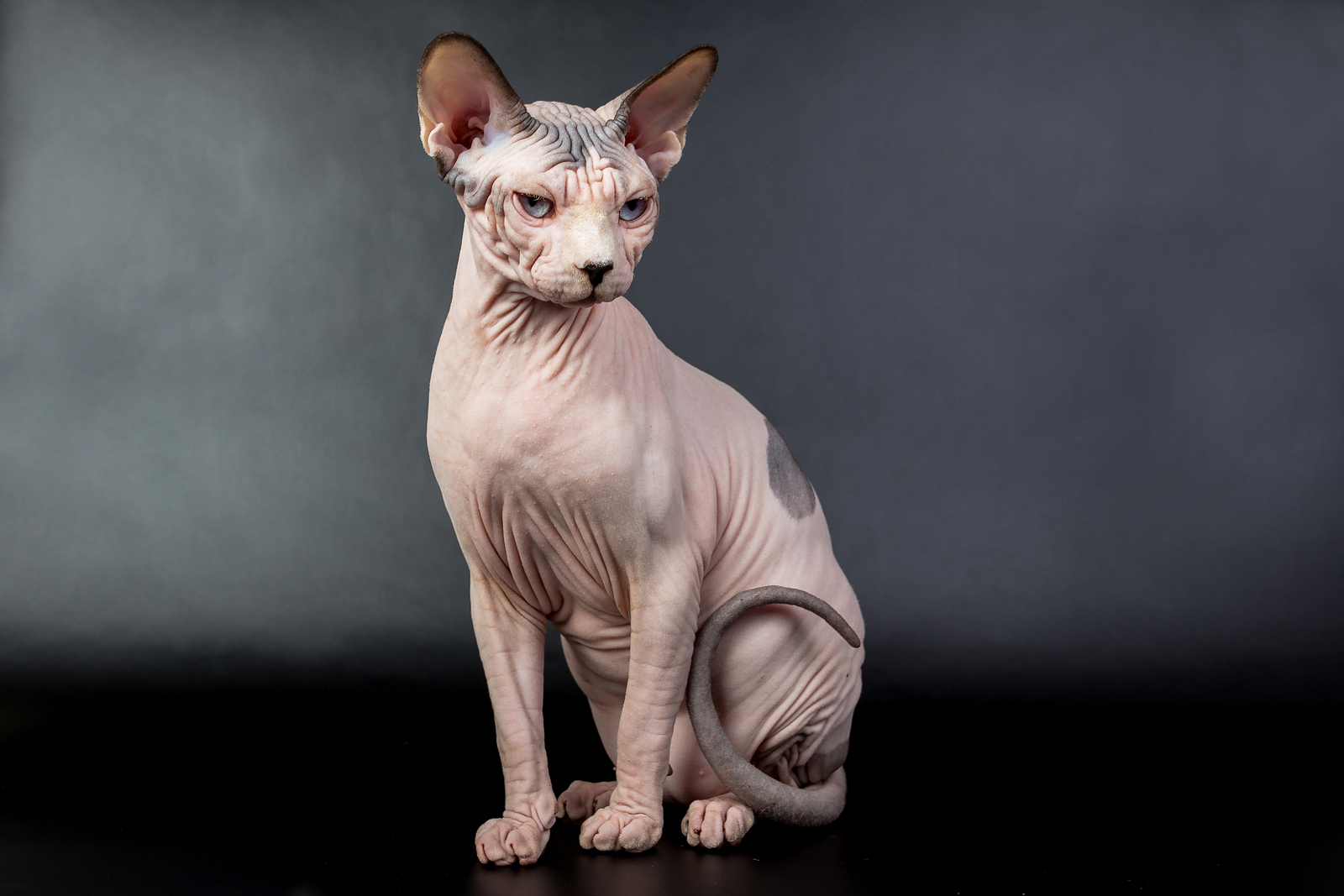
The Sphynx's sleek, hairless body requires a unique approach to nutrition, as they need more calories to maintain their body temperature. This breed's high energy level and curious nature also mean they need a diet that can keep up with their active lifestyle. Despite their lack of fur, Sphynx cats still require regular grooming to maintain the health of their skin, which can impact their overall nutrition and well-being. Understanding the specific nutritional needs of the Sphynx breed is crucial to ensuring they remain healthy and thrive, and this guide will provide owners with the necessary information to make informed decisions about their cat's diet.
What to look for
Age-Based Feeding
Sphynx kittens require more frequent feedings than adult cats, with 3-4 meals per day until they reach 6 months of age. After 6 months, they can be transitioned to 2-3 meals per day. As they reach adulthood, their feeding schedule can be adjusted to 2 meals per day, with portion sizes adjusted according to their weight and activity level.
Weight Management
Sphynx cats are prone to skin oil buildup, which can lead to weight gain if not properly managed. To prevent this, owners should monitor their cat's weight closely and adjust their food portions accordingly. A general rule of thumb is to feed 2-3% of the cat's body weight per day, divided into 2-3 meals.
Activity Level Considerations
Sphynx cats are highly energetic and require a diet that can keep up with their active lifestyle. If your Sphynx is highly active, you may need to increase their food portions to ensure they are getting enough calories to sustain their energy levels.
Common Health Issues
Sphynx cats are prone to certain health issues, such as heart disease and dental disease, which can impact their nutritional needs. For example, cats with dental disease may require a softer food or a different feeding schedule to manage their condition. Owners should work with their veterinarian to determine the best diet for their cat based on their individual health needs.
Adjusting Portion Sizes
As your Sphynx cat grows and changes, their nutritional needs will also change. Owners should regularly assess their cat's weight and adjust their food portions accordingly to prevent overfeeding or underfeeding. It's also important to monitor your cat's overall health and adjust their diet as needed to prevent or manage any health issues that may arise.
Frequently asked questions
How often should I feed my Sphynx kitten?
Sphynx kittens require 3-4 meals per day until they reach 6 months of age. After 6 months, they can be transitioned to 2-3 meals per day. It's always best to consult with your veterinarian to determine the best feeding schedule for your kitten based on their individual needs.
Why is my Sphynx cat always hungry?
Sphynx cats are highly energetic and have a high metabolism, which can make them seem always hungry. However, it's essential to monitor their weight and adjust their food portions accordingly to prevent overfeeding. You can also try feeding a high-protein diet to help keep them full and satisfied.
Can I feed my Sphynx cat a raw diet?
While some owners swear by raw diets, it's essential to consult with your veterinarian before making any changes to your cat's diet. Raw diets can be beneficial for some cats, but they may not provide the necessary nutrients for others. Your veterinarian can help you determine the best diet for your Sphynx cat based on their individual needs.
How can I prevent skin oil buildup in my Sphynx cat?
Regular grooming is essential to prevent skin oil buildup in Sphynx cats. You can gently bathe your cat with a mild shampoo and dry them thoroughly to prevent oil buildup. You can also use a gentle skin wipe to clean their skin between baths.
What are the signs of overfeeding in a Sphynx cat?
Signs of overfeeding in a Sphynx cat include weight gain, lethargy, and decreased activity level. You may also notice an increase in skin oil buildup or other health issues. If you suspect your cat is overfed, it's essential to consult with your veterinarian to determine the best course of action to get their weight back on track.
To ensure your Sphynx cat remains healthy and thrives, it's crucial to provide a balanced diet that meets their unique nutritional needs. By following the guidelines outlined in this guide and consulting with your veterinarian, you can help your Sphynx cat maintain a healthy weight and prevent common health issues. Remember to regularly assess your cat's weight and adjust their food portions accordingly to prevent overfeeding or underfeeding.
More for your Sphynx
Other breed-matched picks worth a look.