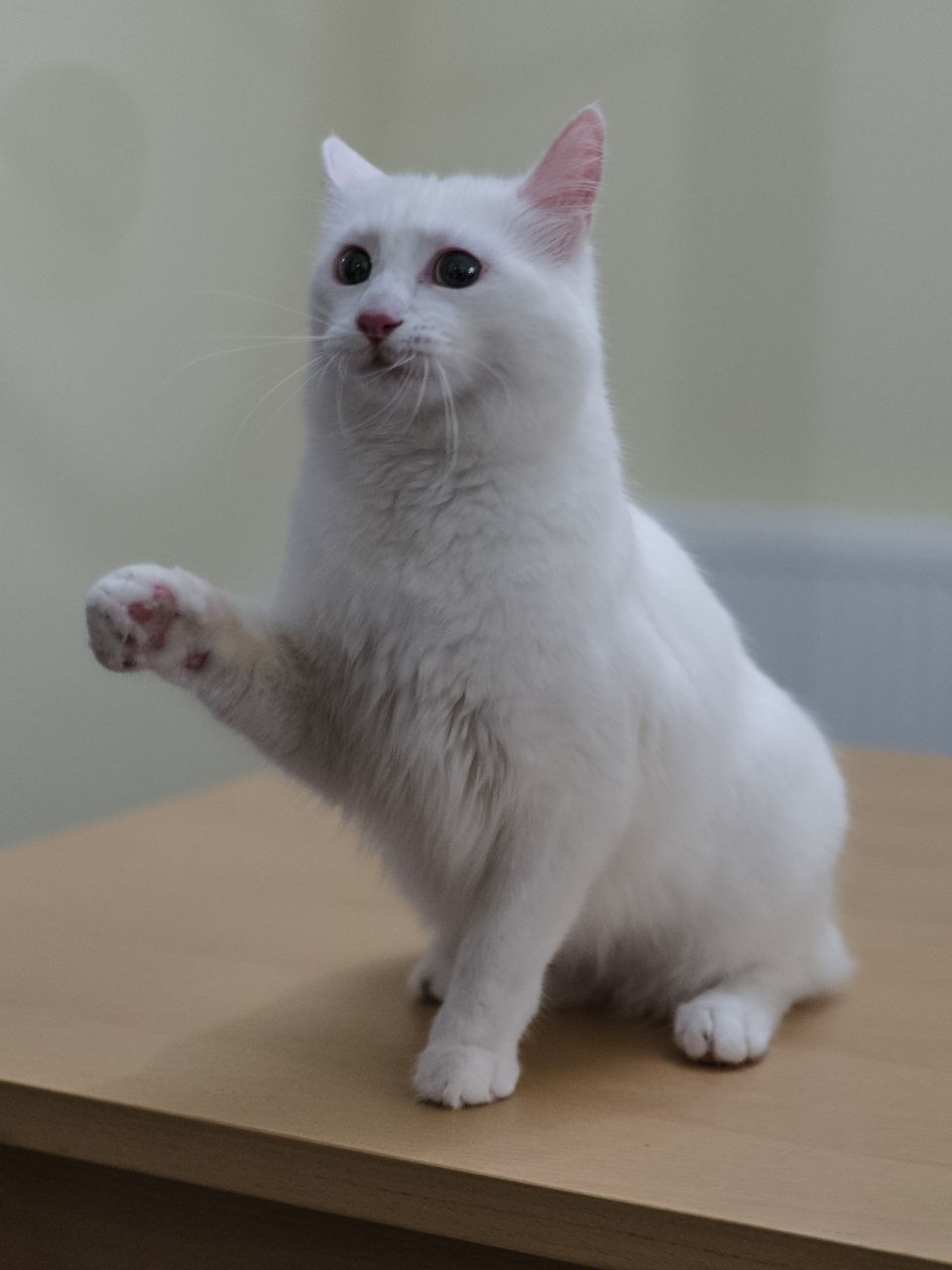
How Much to Feed a Turkish Van
By PetEssentialist Team · Updated July 2026 · How we review
We independently research and pick every product. When you buy through our links we may earn a commission, at no extra cost to you. How this works.
The Turkish Van cat's unique water-resistant coat and high energy level make them a joy to own, but also pose specific challenges when it comes to feeding. Their large size and athletic build require a diet that supports their muscular development and energetic lifestyle. As a Turkish Van owner, it's essential to understand that their moderate shedding and grooming needs can impact their digestive health, and their propensity for dental disease and hairballs means that their diet must be carefully managed. With their intelligence and playful nature, Turkish Van cats can be easily encouraged to overeat, especially if they're not provided with sufficient physical and mental stimulation, making it crucial to establish a feeding routine that balances their nutritional needs with their natural curiosity and love of activity
What to look for
Kittenhood Feeding
Turkish Van kittens require frequent, nutrient-rich meals to support their rapid growth and development. Feed them 3-4 times a day, with portion sizes adjusted according to their age and weight. As they grow, their feeding frequency can be gradually reduced to twice a day. Monitor their weight and adjust their diet accordingly to prevent obesity, a common issue in this breed.
Adult Feeding
Adult Turkish Van cats are highly active and require a balanced diet that meets their energy needs. Feed them high-quality food that is rich in protein and moderate in fat, with a balance of complex carbohydrates and fiber. Their large size means they need more food than smaller breeds, but their intelligent and playful nature means they can be prone to overeating if not monitored.
Adjusting Portion Sizes
As Turkish Van cats age, their metabolic rate slows down, and their portion sizes may need to be adjusted to prevent weight gain. Monitor their weight and adjust their food intake accordingly, taking into account their activity level and overall health. Regular veterinary check-ups can help identify any potential health issues early on, such as dental disease or heart problems.
Meal Frequency and Timing
Turkish Van cats thrive on routine, so establish a regular feeding schedule to help regulate their digestive system and prevent hairballs. Feed them at the same times each day, and consider dividing their daily ration into 2-3 meals to keep them satisfied and prevent overeating. Be mindful of their natural hunting instinct and provide plenty of opportunities for play and exercise to keep them stimulated and active.
Monitoring Health and Adjusting Diet
Regular monitoring of a Turkish Van cat's health is crucial, especially given their propensity for certain health issues. Keep an eye on their weight, coat condition, and overall energy levels, and adjust their diet accordingly. If they show signs of dental disease, hairballs, or other health issues, consult with a veterinarian to determine the best course of action and adjust their diet to meet their changing needs.
Frequently asked questions
How often should I feed my Turkish Van kitten?
Feed your Turkish Van kitten 3-4 times a day, with portion sizes adjusted according to their age and weight. As they grow, their feeding frequency can be gradually reduced to twice a day.
What is the ideal weight range for a Turkish Van cat?
The ideal weight range for a Turkish Van cat is between 7-20 lbs, depending on their age, sex, and muscle tone. Monitor their weight regularly and adjust their diet accordingly to prevent obesity.
Can Turkish Van cats be prone to food allergies?
Yes, Turkish Van cats can be prone to food allergies, especially given their sensitive digestive system. Monitor their reaction to different foods and consult with a veterinarian if you suspect a food allergy or intolerance.
How can I prevent hairballs in my Turkish Van cat?
To prevent hairballs in your Turkish Van cat, feed them a high-quality diet that is rich in fiber and omega-3 fatty acids, and provide plenty of fresh water and opportunities for grooming and play. Regular brushing and nail trimming can also help reduce the risk of hairballs.
What are the most common health issues in Turkish Van cats, and how can I prevent them?
The most common health issues in Turkish Van cats include dental disease, hairballs, and heart problems. Regular veterinary check-ups, a balanced diet, and plenty of opportunities for play and exercise can help prevent or manage these conditions. Additionally, monitor their weight, coat condition, and overall energy levels, and adjust their diet and lifestyle accordingly.
To keep your Turkish Van cat healthy and thriving, prioritize a balanced diet that meets their unique nutritional needs, and establish a regular feeding routine that takes into account their age, weight, and activity level. By monitoring their health and adjusting their diet accordingly, you can help prevent common health issues and ensure your Turkish Van cat lives a long, happy, and active life.
More for your Turkish Van
Other breed-matched picks worth a look.