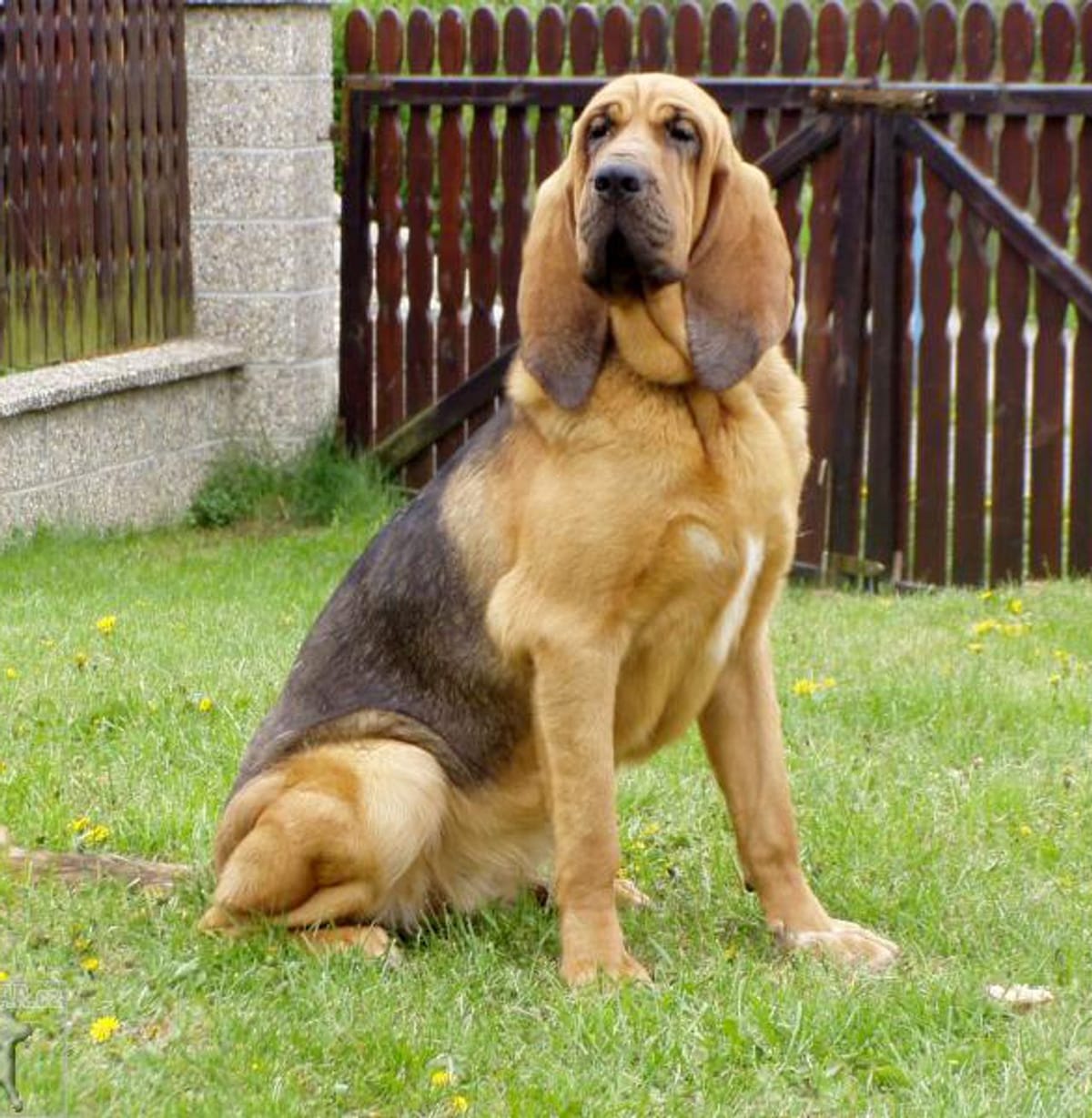
How to Groom a Bloodhound
By PetEssentialist Team · Updated July 2026 · How we review
We independently research and pick every product. When you buy through our links we may earn a commission, at no extra cost to you. How this works.
Bloodhounds are prone to ear infections due to their long, droopy ears, making regular ear care a top priority. Their loose skin and scent-driven nature also increase the risk of skin fold dermatitis and bloat. As a Bloodhound owner, it's essential to establish a thorough grooming routine to prevent these common health issues. With their short, smooth coats, Bloodhounds have relatively low grooming needs compared to other breeds. However, their moderate shedding and tendency to wander require regular brushing and nail trimming to prevent matting and overgrowth. By understanding the specific needs of the Bloodhound breed, owners can create an effective at-home grooming routine. A well-structured grooming routine can help prevent health issues and strengthen the bond between owner and dog. By following a few key principles and avoiding common mistakes, Bloodhound owners can keep their pets clean, healthy, and happy.
What to look for
Ear Care
Bloodhounds' long ears require regular cleaning to prevent infections. Owners should check their dog's ears weekly, removing any debris or wax buildup. Daily inspections can also help identify potential issues before they become serious. Regular ear cleaning can help prevent infections and reduce the risk of skin fold dermatitis.
Coat Brushing
Bloodhounds have short, smooth coats that require occasional brushing to remove loose hair and distribute skin oils. A rubber brush or a soft-bristle brush is ideal for this breed, and owners should aim to brush their Bloodhound 1-2 times a week. This helps reduce shedding and prevents matting.
Nail Trimming
Bloodhounds are prone to bloat, which can be exacerbated by overgrown nails. Owners should trim their dog's nails regularly, taking care not to cut the quick. It's recommended to trim nails every 4-6 weeks, or as needed. This helps prevent overgrowth and reduces the risk of bloat.
Bathing
Bloodhounds don't require frequent bathing, but occasional baths can help keep their coats clean and healthy. Owners should bathe their Bloodhound every 2-3 months, or as needed, using a mild dog shampoo. It's essential to avoid over-bathing, which can strip the coat of its natural oils and lead to skin issues.
Skin Fold Care
Bloodhounds' loose skin can lead to skin fold dermatitis, a common health issue in the breed. Owners should regularly inspect their dog's skin folds, cleaning them as needed to prevent infection. Daily inspections can help identify potential issues before they become serious.
Frequently asked questions
How often should I clean my Bloodhound's ears?
It's recommended to clean your Bloodhound's ears weekly, removing any debris or wax buildup. Daily inspections can also help identify potential issues before they become serious.
What type of brush is best for a Bloodhound's coat?
A rubber brush or a soft-bristle brush is ideal for a Bloodhound's short, smooth coat. These types of brushes help remove loose hair and distribute skin oils.
Can I bathe my Bloodhound too frequently?
Yes, over-bathing can strip a Bloodhound's coat of its natural oils and lead to skin issues. It's recommended to bathe your Bloodhound every 2-3 months, or as needed.
How can I prevent bloat in my Bloodhound?
Regular nail trimming, avoiding overfeeding, and monitoring your dog's food intake can help reduce the risk of bloat. It's also essential to recognize the signs of bloat, such as restlessness, drooling, and a swollen abdomen, and seek veterinary attention immediately if you suspect bloat.
Why is skin fold care important for Bloodhounds?
Bloodhounds' loose skin can lead to skin fold dermatitis, a common health issue in the breed. Regular skin fold care, including cleaning and inspection, can help prevent infection and reduce the risk of skin issues.
By prioritizing ear care, coat brushing, nail trimming, bathing, and skin fold care, Bloodhound owners can create an effective at-home grooming routine that addresses the breed's unique needs and health concerns. Regular grooming can help prevent common issues like ear infections, skin fold dermatitis, and bloat, and strengthen the bond between owner and dog. By following these key principles, owners can keep their Bloodhounds clean, healthy, and happy for years to come.
More for your Bloodhound
Other breed-matched picks worth a look.