How to Groom a Dachshund
By PetEssentialist Team · Updated June 2026 · How we review
We independently research and pick every product. When you buy through our links we may earn a commission, at no extra cost to you. How this works.
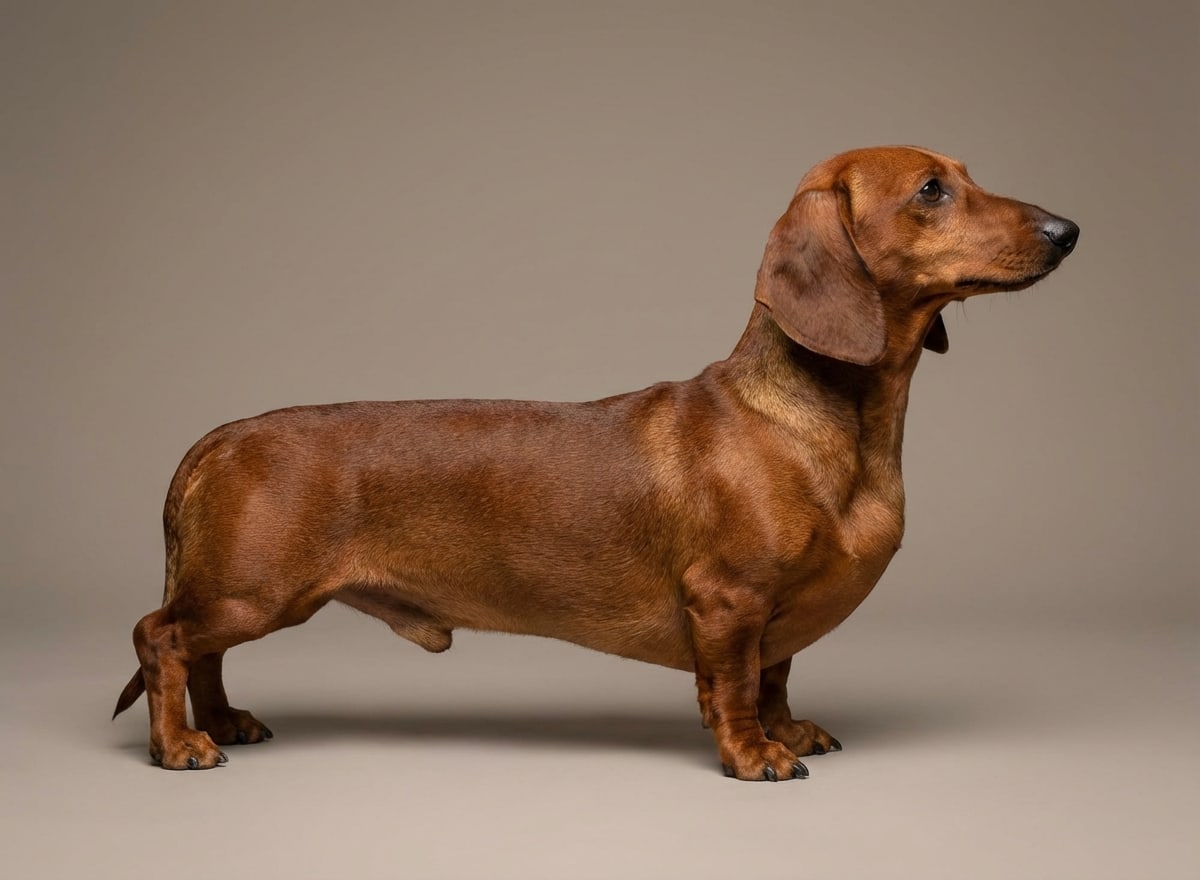
The Dachshund's long, narrow body and short legs make them prone to back problems, emphasizing the importance of gentle grooming practices. Their moderate shedding and low grooming needs mean that a regular brushing routine is essential to prevent matting and tangling. With their clever and lively temperament, Dachshunds require patient and consistent grooming to ensure a strong bond between dog and owner. A well-structured grooming routine for Dachshunds should take into account their size, coat type, and common health issues. Smooth-coated Dachshunds require less grooming than their longhaired and wirehaired counterparts, but all three types benefit from regular nail trimming, ear care, and bathing. By understanding the specific needs of the Dachshund breed, owners can create a personalized grooming plan that promotes overall health and well-being. For Dachshund owners, a thorough grooming routine is not only essential for maintaining their dog's physical health but also for strengthening their emotional bond. By investing time and effort into grooming, owners can help prevent common health issues such as IVDD, obesity, and dental disease, ensuring their Dachshund leads a happy and healthy life.
What to look for
Brushing Frequency and Tools
Dachshunds require regular brushing to prevent matting and tangling, particularly for longhaired and wirehaired varieties. A soft-bristle brush or a pin brush is suitable for smooth-coated Dachshunds, while a slicker brush or a comb is better for longhaired and wirehaired types. Brushing should be done at least twice a week, with daily brushing recommended during shedding season.
Bathing and Cleaning
Dachshunds should be bathed every 2-3 months, or as needed, using a mild dog shampoo. It's essential to clean their ears regularly to prevent infections and to trim their nails every 4-6 weeks to prevent overgrowth. Owners should also pay attention to their Dachshund's dental health, brushing their teeth regularly to prevent dental disease.
Coat-Specific Grooming
Longhaired Dachshunds require more frequent brushing to prevent matting, while wirehaired Dachshunds need regular stripping to maintain their coat's texture and appearance. Smooth-coated Dachshunds, on the other hand, require less grooming but still benefit from regular rubbing with a soft cloth to remove loose hair.
Grooming for Health
Dachshunds are prone to back problems, making it crucial to handle them gently during grooming. Owners should avoid lifting their Dachshunds excessively and instead use ramps or support to help them get on and off furniture. Regular grooming also provides an opportunity to inspect for signs of common health issues, such as obesity, dental disease, and patellar luxation.
Creating a Grooming Routine
A realistic grooming routine for Dachshunds should be established, taking into account their individual needs and characteristics. Owners should aim to spend at least 10-15 minutes per session, 2-3 times a week, and be patient and consistent in their approach. By doing so, they can help prevent common health issues and strengthen their bond with their Dachshund.
Frequently asked questions
How often should I brush my Dachshund's coat?
The frequency of brushing depends on the coat type, but as a general rule, Dachshunds should be brushed at least twice a week, with daily brushing recommended during shedding season.
Can I bathe my Dachshund too frequently?
Yes, bathing your Dachshund too frequently can strip their coat of its natural oils, leading to dryness and irritation. Bathing should be limited to every 2-3 months, or as needed.
Why is it essential to clean my Dachshund's ears regularly?
Regular ear cleaning helps prevent infections and promotes overall health. Dachshunds are prone to ear infections due to their narrow ear canals, making regular cleaning crucial.
How can I prevent my Dachshund from becoming obese?
Preventing obesity in Dachshunds requires a combination of regular exercise, a balanced diet, and monitoring their food intake. Owners should also avoid overfeeding and limit treats.
What are the signs of back problems in Dachshunds?
Signs of back problems in Dachshunds include whining, reluctance to jump or climb, and difficulty walking. If you suspect your Dachshund has a back problem, consult a veterinarian immediately.
For Dachshund owners, a well-structured grooming routine is essential for maintaining their dog's physical and emotional health. By understanding the specific needs of the breed and establishing a personalized grooming plan, owners can help prevent common health issues and strengthen their bond with their Dachshund. Prioritizing gentle handling, regular brushing, and coat-specific grooming will help ensure a happy and healthy life for your Dachshund.
More for your Dachshund
Other breed-matched picks worth a look.