How to Groom a Ocicat
By PetEssentialist Team · Updated July 2026 · How we review
We independently research and pick every product. When you buy through our links we may earn a commission, at no extra cost to you. How this works.
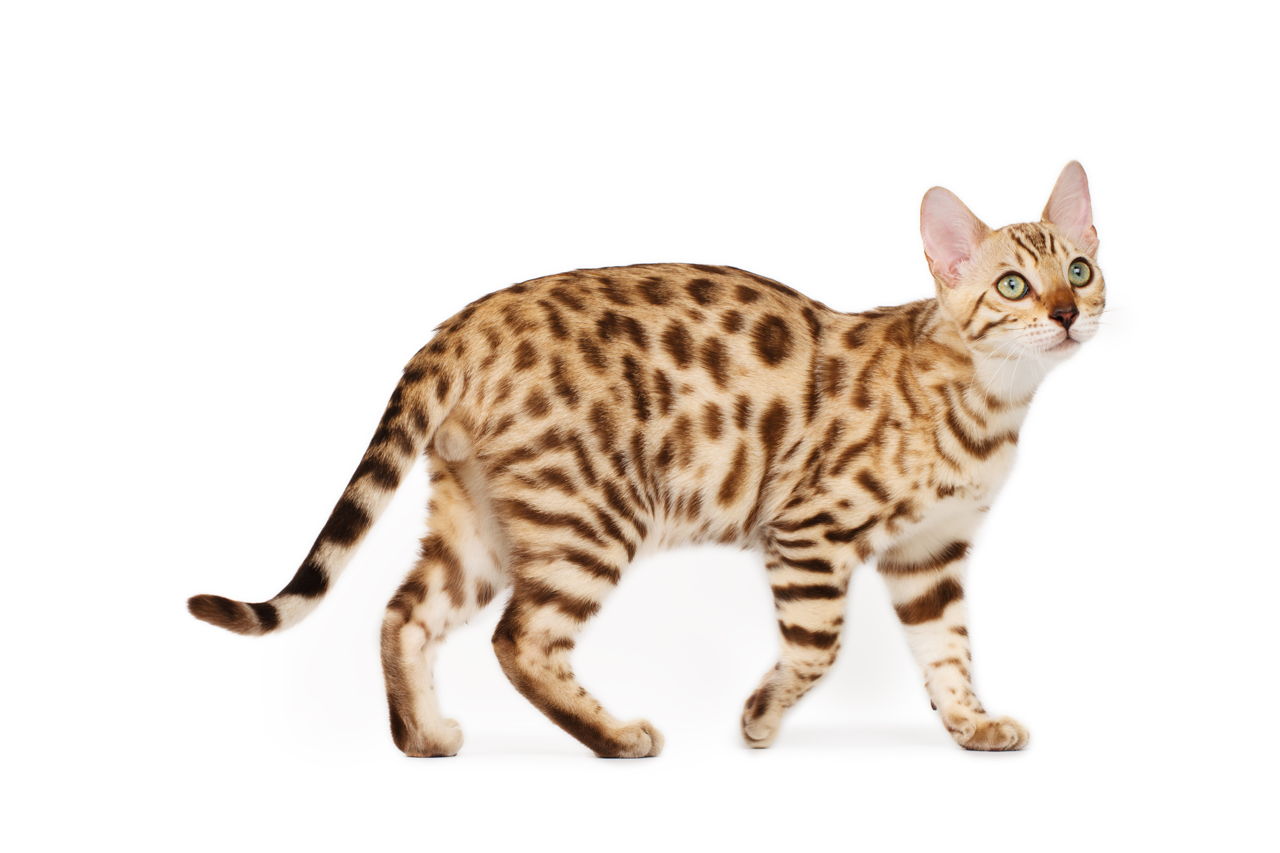
The Ocicat's short, spotted coat is one of its most distinctive features, but it still requires regular grooming to prevent matting and tangling. Despite their low shedding and low grooming needs, Ocicats are high-energy cats that can get dirty and develop health issues if not properly cared for. With their intelligence and devotion to their owners, Ocicats thrive on interaction and attention, making regular grooming sessions a great way to bond with them. Ocicats are generally easy to groom, but their large size and energetic nature mean they require a bit more effort than smaller, more laid-back breeds. Their low shedding also means they don't require frequent brushing, but regular nail trimming, ear cleaning, and occasional bathing are still essential to prevent health issues like periodontal disease and skin infections. By following a regular grooming routine, Ocicat owners can help keep their cat's coat and overall health in top condition, while also strengthening their bond with their pet.
What to look for
Brushing Frequency
Ocicats have a short, smooth coat that requires minimal brushing, but regular sessions can help remove loose hair and distribute skin oils. Aim for 1-2 times a week, using a soft-bristled brush or a rubber grooming tool to gently remove tangles and mats. Be gentle, as Ocicats have sensitive skin and can be prone to scratching.
Bathing
Ocicats are generally clean animals and don't require frequent bathing, but occasional baths can help keep their coat clean and healthy. Use a mild shampoo and lukewarm water, and avoid bathing too frequently, as this can strip their coat of its natural oils. Bathing every 2-3 months is usually sufficient, but this may vary depending on your Ocicat's lifestyle and environment.
Nail Trimming
Ocicats are active and athletic, and their nails can grow quickly, making regular trimming essential to prevent overgrowth and health issues. Trim your Ocicat's nails every 4-6 weeks, using a cat nail clipper or grinder, and take care not to cut the quick, as this can be painful for your cat.
Ear Care
Ocicats are prone to ear infections and other health issues, so regular ear cleaning is essential to keep their ears clean and healthy. Use a cotton ball or soft cloth to gently remove dirt and wax, and avoid inserting objects into your cat's ears, as this can cause damage and discomfort.
Dental Care
Ocicats are prone to periodontal disease and other dental health issues, so regular dental care is essential to keep their teeth and gums healthy. Brush your Ocicat's teeth regularly, using a cat-specific toothbrush and toothpaste, and provide plenty of chew toys and dental chews to help remove plaque and tartar.
Frequently asked questions
How often should I brush my Ocicat's coat?
Ocicats have a short, smooth coat that requires minimal brushing, but regular sessions can help remove loose hair and distribute skin oils. Aim for 1-2 times a week, using a soft-bristled brush or a rubber grooming tool.
Can I bathe my Ocicat too frequently?
No, bathing your Ocicat too frequently can strip their coat of its natural oils and cause skin irritation. Aim for bathing every 2-3 months, or as needed, and use a mild shampoo and lukewarm water.
Why is nail trimming important for Ocicats?
Ocicats are active and athletic, and their nails can grow quickly, making regular trimming essential to prevent overgrowth and health issues. Trim your Ocicat's nails every 4-6 weeks to keep them healthy and prevent problems.
How can I prevent ear infections in my Ocicat?
Regular ear cleaning is essential to keep your Ocicat's ears clean and healthy. Use a cotton ball or soft cloth to gently remove dirt and wax, and avoid inserting objects into your cat's ears, as this can cause damage and discomfort.
What are the common health issues I should watch out for in my Ocicat?
Ocicats are prone to several health issues, including heart disease, polycystic kidney disease, periodontal disease, and amyloidosis. Regular veterinary check-ups and a healthy lifestyle can help prevent or manage these conditions, so be sure to stay on top of your cat's health and consult with your veterinarian if you have any concerns.
Grooming your Ocicat is an essential part of their care and can help strengthen your bond with your pet. By following a regular grooming routine, including brushing, bathing, nail trimming, and ear care, you can help keep your Ocicat's coat and overall health in top condition. Remember to always prioritize your cat's individual needs and consult with your veterinarian if you have any concerns or questions about their health or grooming needs.
More for your Ocicat
Other breed-matched picks worth a look.