Is a Bloodhound the Right Dog for You?
By PetEssentialist Team · Updated July 2026 · How we review
We independently research and pick every product. When you buy through our links we may earn a commission, at no extra cost to you. How this works.
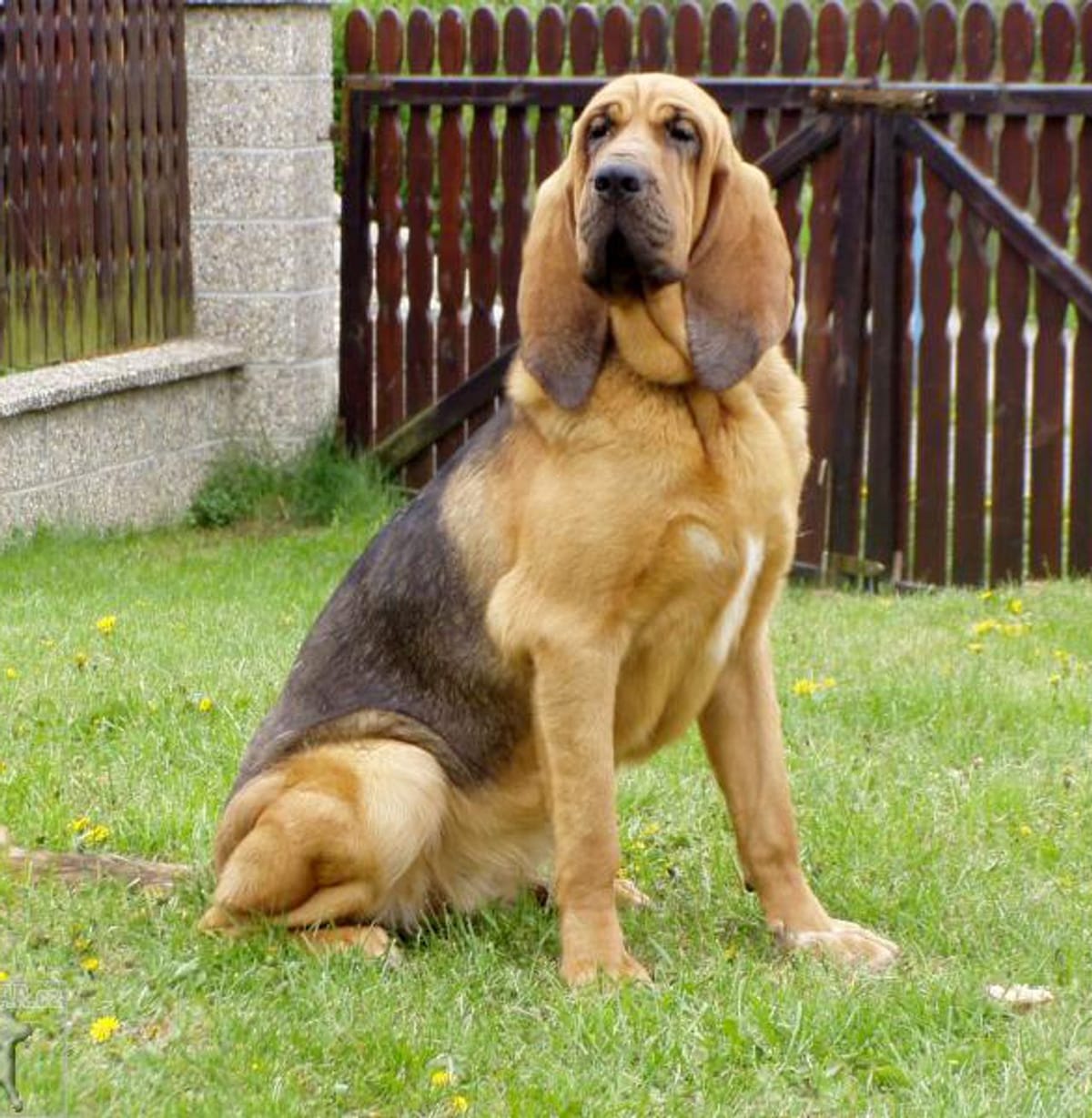
One of the most critical considerations for potential Bloodhound owners is the breed's propensity for bloat, a life-threatening condition that requires immediate veterinary attention. Bloodhounds are prone to bloat due to their deep chest and stomach structure, making it essential for owners to be aware of the signs and take preventative measures. Bloodhounds are large dogs with short coats, weighing between 80-110 pounds, and are known for their friendly, determined, and gentle nature. However, their stubbornness can make training challenging, and their strong nose-driven instinct can lead to wandering if they catch a scent. With their moderate energy level and low grooming needs, Bloodhounds can thrive in various living situations, but their specific needs and potential health issues must be carefully considered before bringing one home.
What to look for
Space and Exercise
Bloodhounds require regular exercise to stay happy and healthy, but they don't need excessive running or high-impact activities. A daily walk and some playtime in a securely fenced area should suffice. However, their strong nose can lead them to follow scents, so it's crucial to ensure their living space is secure and escape-proof. A minimum of 1-2 hours of exercise and mental stimulation per day is recommended.
Training and Socialization
Bloodhounds can be stubborn, making consistent, positive reinforcement training essential. Early socialization is also critical to help them become confident and calm in new situations. Owners should be prepared to invest time and effort into training and socialization, ideally from an early age.
Health and Veterinary Care
Bloodhounds are prone to specific health issues, including bloat, hip dysplasia, ear infections, and skin fold dermatitis. Regular veterinary check-ups, a healthy diet, and a clean living environment can help prevent or manage these conditions. Owners should also be aware of the signs of bloat and know how to respond in an emergency.
Family and Apartment Fit
Bloodhounds can thrive in apartments if provided with regular exercise and mental stimulation, but their baying can be a concern for neighbors. They are generally gentle with children, but their large size means they may accidentally knock over smaller kids. A Bloodhound's ideal living situation is a house with a securely fenced yard, where they can roam freely and safely.
Cost and Commitment
The cost of owning a Bloodhound can be significant, with estimates ranging from $1,000 to $2,000 per year, depending on factors like food, veterinary care, and supplies. Owners should also be prepared for a long-term commitment, as Bloodhounds can live for 10-12 years. A thorough understanding of the costs and responsibilities involved is essential before deciding to bring a Bloodhound into your life.
Frequently asked questions
How often should I clean my Bloodhound's ears?
Bloodhounds are prone to ear infections, so regular ear cleaning is crucial. Owners should clean their Bloodhound's ears at least once a week, and more often if they notice signs of infection or wax build-up.
Can Bloodhounds be left alone for extended periods?
Bloodhounds are social dogs and prefer human companionship. While they can be left alone for short periods, extended periods of isolation can lead to destructive behavior and stress. Owners should aim to spend at least 4-6 hours per day with their Bloodhound.
How do I prevent my Bloodhound from wandering off?
Bloodhounds have a strong nose-driven instinct, making them prone to following scents. To prevent wandering, owners should ensure their living space is securely fenced, and consider investing in a GPS tracking device or a long-line leash for walks.
Are Bloodhounds good with children?
Bloodhounds are generally gentle with children, but their large size means they may accidentally knock over smaller kids. Supervision is essential when introducing a Bloodhound to children, and teaching children how to interact with dogs safely is crucial.
How much exercise does a Bloodhound need per day?
Bloodhounds require at least 1-2 hours of exercise and mental stimulation per day, which can include walks, playtime, and training sessions. Owners should aim to provide a mix of physical and mental activities to keep their Bloodhound happy and healthy.
For the right owner, a Bloodhound can be a loving and loyal companion. If you're willing to invest time and effort into training, socialization, and health care, and can provide a secure and comfortable living space, a Bloodhound may be the perfect fit for you. Ultimately, the decision to bring a Bloodhound into your life should be based on a thorough understanding of their specific needs and potential challenges.
More for your Bloodhound
Other breed-matched picks worth a look.