Is a Cornish Rex the Right Cat for You?
By PetEssentialist Team · Updated June 2026 · How we review
We independently research and pick every product. When you buy through our links we may earn a commission, at no extra cost to you. How this works.
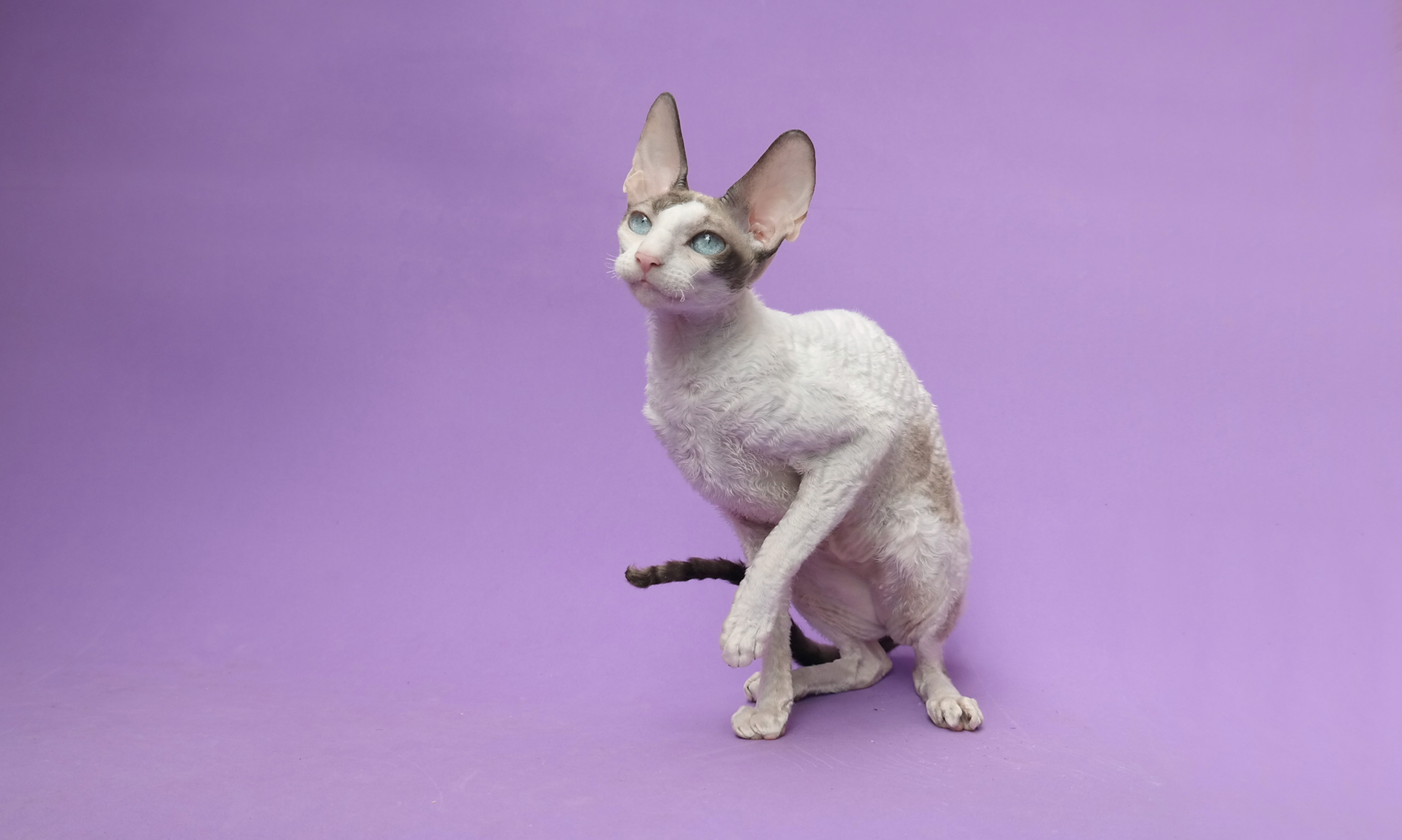
The Cornish Rex's unique, fine wavy coat requires significantly less grooming than most cats, but their high energy levels and athletic build demand plenty of exercise and playtime. This breed's lean body and love of warmth mean they thrive in cozy, warm environments, often seeking out laps and snuggles. With their active, playful, and affectionate temperament, Cornish Rex cats make great companions for owners who can provide the attention and activity they crave, but may not be the best fit for those who want a low-maintenance pet.
What to look for
Assessing Energy Levels
Cornish Rex cats are highly energetic and require plenty of playtime and exercise to stay happy and healthy. Owners should be prepared to engage in play for at least 30 minutes a day, and provide plenty of toys and climbing structures to keep their cat active. A lack of exercise can lead to boredom, destructive behavior, and obesity. It's essential to consider whether your lifestyle can accommodate the Cornish Rex's high energy needs.
Grooming and Coat Care
While the Cornish Rex's short, curly coat requires less grooming than most breeds, it's still important to brush them regularly to remove loose hair and distribute skin oils. This helps to prevent skin sensitivity and reduce the risk of skin problems. Additionally, owners should be prepared for the potential for skin issues and dental disease, and take steps to prevent these problems through regular veterinary check-ups and good dental care.
Cost and Budgeting
The cost of owning a Cornish Rex cat goes beyond the initial purchase price. Owners should budget for regular veterinary check-ups, preventative care such as vaccinations and parasite control, and potential treatments for common health issues like HCM and patellar luxation. It's also important to consider the cost of providing a warm, comfortable living environment, including a high-quality cat bed and plenty of toys and climbing structures.
Home and Environment
The Cornish Rex thrives in a warm, cozy environment with plenty of opportunities for exercise and play. Owners should consider the size and layout of their home, and whether it can accommodate the Cornish Rex's athletic build and love of climbing. A secure, escape-proof home with plenty of hiding spots and vertical space is essential for keeping your Cornish Rex happy and safe.
Time Commitment
Cornish Rex cats require a significant time commitment from their owners, including regular playtime, grooming, and training. Owners should be prepared to spend at least 2-3 hours a day interacting with their cat, and providing the attention and affection they crave. This can be a significant challenge for busy owners, and it's essential to consider whether your lifestyle can accommodate the Cornish Rex's needs.
Frequently asked questions
Are Cornish Rex cats suitable for families with young children?
While Cornish Rex cats can make great family pets, they may not be the best fit for families with very young children. Their high energy levels and delicate build mean they require gentle handling and careful supervision, and may not tolerate rough play or handling. However, with proper training and socialization, Cornish Rex cats can thrive in families with older children who understand how to handle them gently and with care.
Do Cornish Rex cats get along with other pets?
Cornish Rex cats are generally social and affectionate, and can get along well with other pets if introduced properly. However, their high energy levels and playful nature mean they may not be the best fit for homes with very small or fragile pets, such as hamsters or birds. With proper introduction and supervision, Cornish Rex cats can thrive in multi-pet households.
How often should I brush my Cornish Rex cat?
While the Cornish Rex's short, curly coat requires less grooming than most breeds, regular brushing is still essential to remove loose hair and distribute skin oils. Owners should aim to brush their Cornish Rex cat at least 2-3 times a week, using a gentle brush or comb to prevent matting and tangling.
What health issues are common in Cornish Rex cats?
Cornish Rex cats are prone to a number of health issues, including HCM (heart disease), patellar luxation, skin sensitivity, and dental disease. Regular veterinary check-ups and preventative care, such as vaccinations and parasite control, can help to reduce the risk of these problems. Owners should also be aware of the signs and symptoms of these conditions, and seek veterinary attention immediately if they notice any unusual behavior or health changes in their cat.
Can Cornish Rex cats be left alone for long periods of time?
While Cornish Rex cats are highly social and affectionate, they can adapt to being left alone for short periods of time if provided with plenty of toys, climbing structures, and attention before leaving. However, they should not be left alone for extended periods (more than 8-10 hours) without proper care and supervision, as this can lead to boredom, destructive behavior, and stress. Owners should consider hiring a pet sitter or asking a friend to check in on their cat if they need to be away for an extended period.
For owners who can provide the attention, exercise, and warmth that Cornish Rex cats crave, this breed can make a loving and loyal companion. However, they may not be the best fit for busy owners or those who want a low-maintenance pet. By considering the unique needs and characteristics of the Cornish Rex, owners can make an informed decision and provide the best possible life for their new pet.
More for your Cornish Rex
Other breed-matched picks worth a look.