Cornish Rex
The Cornish Rex is a small cat known for being active, playful, affectionate.
- Size
- small
- Weight
- 6–10 lbs
- Life span
- 11–15 yrs
- Coat
- short curly
- Shedding
- low
- Energy
- high
Health to watch for
Common breed predispositions — not a diagnosis. Always consult your vet.
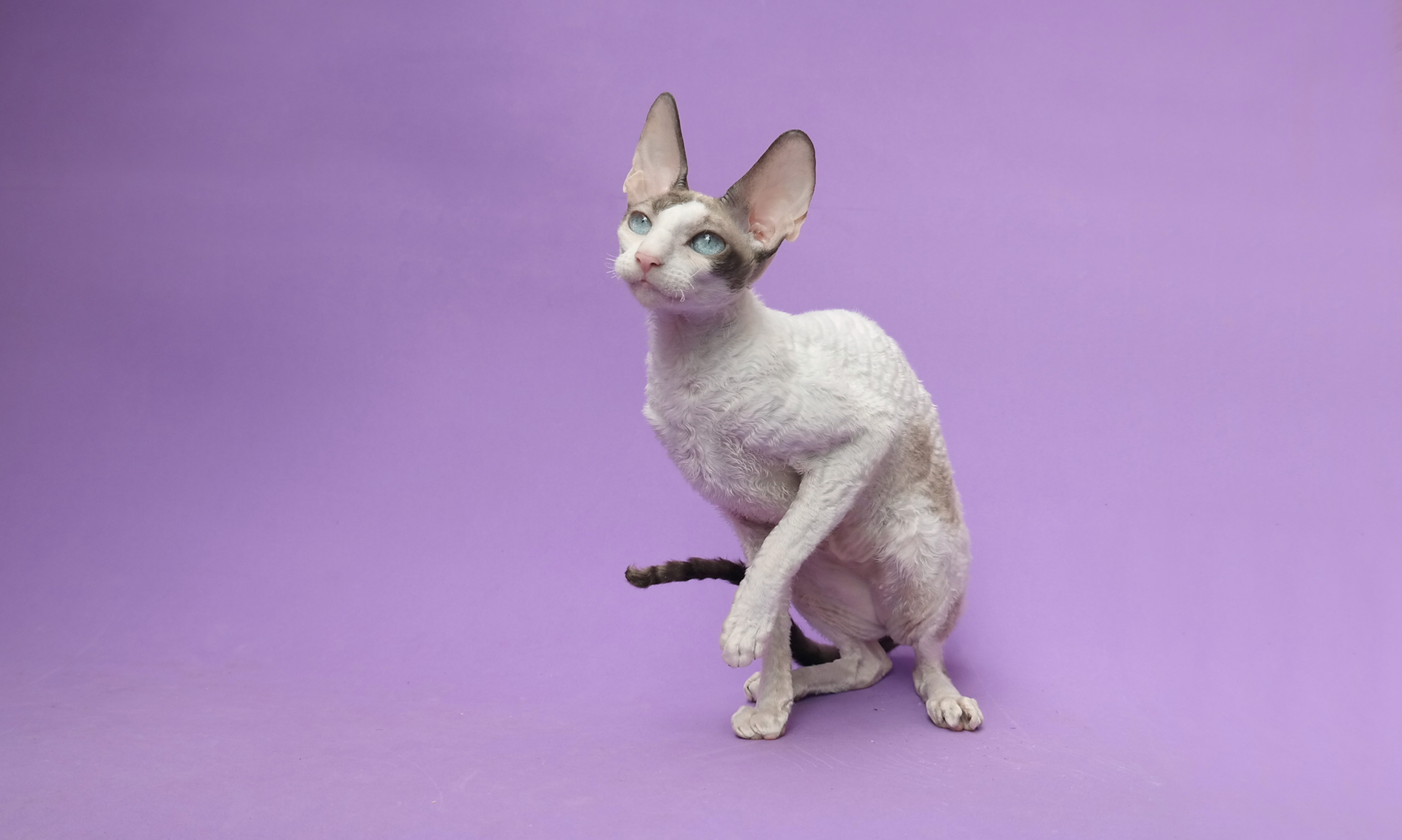
The Cornish Rex's high energy level and athletic build require careful consideration when it comes to their daily care and exercise. With a lifespan of 11-15 years, owners must be prepared to provide a lifetime of engaging activities and regular veterinary check-ups to prevent common health issues such as HCM and patellar luxation.
Their unique, short curly coat and low shedding rate make them a great choice for owners with allergies or a penchant for low-maintenance grooming. However, their lean body and fine wavy coat also mean they are warmth-seeking and may require extra attention to stay comfortable.
As an active, playful, and affectionate breed, the Cornish Rex thrives on interaction and socialization, making them an excellent choice for families or owners who can devote time to their emotional and physical needs.
Temperament and Socialization
The Cornish Rex is an extremely social breed that requires regular interaction and playtime to prevent boredom and stress. Owners should be prepared to engage in play for at least 2 hours a day, using a variety of toys and activities to keep their cat stimulated. Early socialization is also crucial, as this breed can be wary of strangers and new environments.
Grooming and Coat Care
Despite their low shedding rate, the Cornish Rex still requires regular grooming to prevent matting and tangling of their curly coat. A gentle brush or comb should be used 2-3 times a week, taking care not to pull or tug on the hair. Additionally, their skin sensitivity means that owners should be cautious when introducing new products or substances to their cat's environment.
Exercise and Enrichment
The Cornish Rex is a highly energetic breed that requires regular exercise to stay happy and healthy. Owners should provide a variety of toys and activities that encourage climbing, jumping, and running, such as cat trees, scratching posts, and feather wands. Food puzzle toys can also be a great way to challenge and engage their cat's problem-solving skills.
Feeding and Nutrition
As a small breed with a high energy level, the Cornish Rex requires a nutrient-rich diet that is balanced to meet their specific needs. Owners should choose a high-quality cat food that is rich in protein and low in carbohydrates, and consider consulting with a veterinarian or nutritionist to determine the best feeding schedule and portion sizes for their cat.
Health and Veterinary Care
The Cornish Rex is prone to several common health issues, including HCM, patellar luxation, and dental disease. Regular veterinary check-ups are essential to prevent and detect these conditions early on, and owners should be prepared to invest in preventative care such as annual dental cleanings and heart screenings.
Cornish Rex FAQ
How often should I groom my Cornish Rex?
The Cornish Rex requires regular grooming to prevent matting and tangling of their curly coat, but this can be as simple as a weekly brushing session. Owners should aim to groom their cat at least 2-3 times a week, taking care not to pull or tug on the hair.
Why is my Cornish Rex so sensitive to temperature?
The Cornish Rex's lean body and fine wavy coat make them more susceptible to temperature extremes, so owners should take steps to ensure their cat stays warm and comfortable. This can include providing a warm bed or blanket, or using a heated cat bed in colder months.
Can Cornish Rex cats get along with other pets?
The Cornish Rex is a highly social breed that can get along well with other pets, but early socialization is crucial. Owners should introduce their cat to other pets slowly and under controlled circumstances, and provide a safe and separate space for their cat to retreat to if needed.
How much exercise does a Cornish Rex need?
The Cornish Rex is a highly energetic breed that requires regular exercise to stay happy and healthy. Owners should aim to provide at least 2 hours of playtime and activity per day, using a variety of toys and activities to keep their cat stimulated and engaged.
What are the most common health issues in Cornish Rex cats?
The Cornish Rex is prone to several common health issues, including HCM, patellar luxation, and dental disease. Regular veterinary check-ups are essential to prevent and detect these conditions early on, and owners should be prepared to invest in preventative care such as annual dental cleanings and heart screenings.
Top picks for Cornish Rexs
- Best Treats for Cornish Rexs →
- Best Dry Food for Cornish Rexs →
- Best Dental Treats for Cornish Rexs →
- Best Litter for Cornish Rexs →
- Best Wet Food for Cornish Rexs →
- Best Toys for Cornish Rexs →
- Best Scratching Posts for Cornish Rexs →
- Best Cat Trees for Cornish Rexs →
- Best Nail Clippers for Cornish Rexs →
- Best Water Fountains for Cornish Rexs →
- Best Carriers for Cornish Rexs →
- Best Brushes for Cornish Rexs →
- Best Harnesses for Cornish Rexs →
- Best Litter Boxes for Cornish Rexs →
- Best Beds for Cornish Rexs →
- Best Calming Aids for Cornish Rexs →