Is a Keeshond the Right Dog for You?
By PetEssentialist Team · Updated July 2026 · How we review
We independently research and pick every product. When you buy through our links we may earn a commission, at no extra cost to you. How this works.
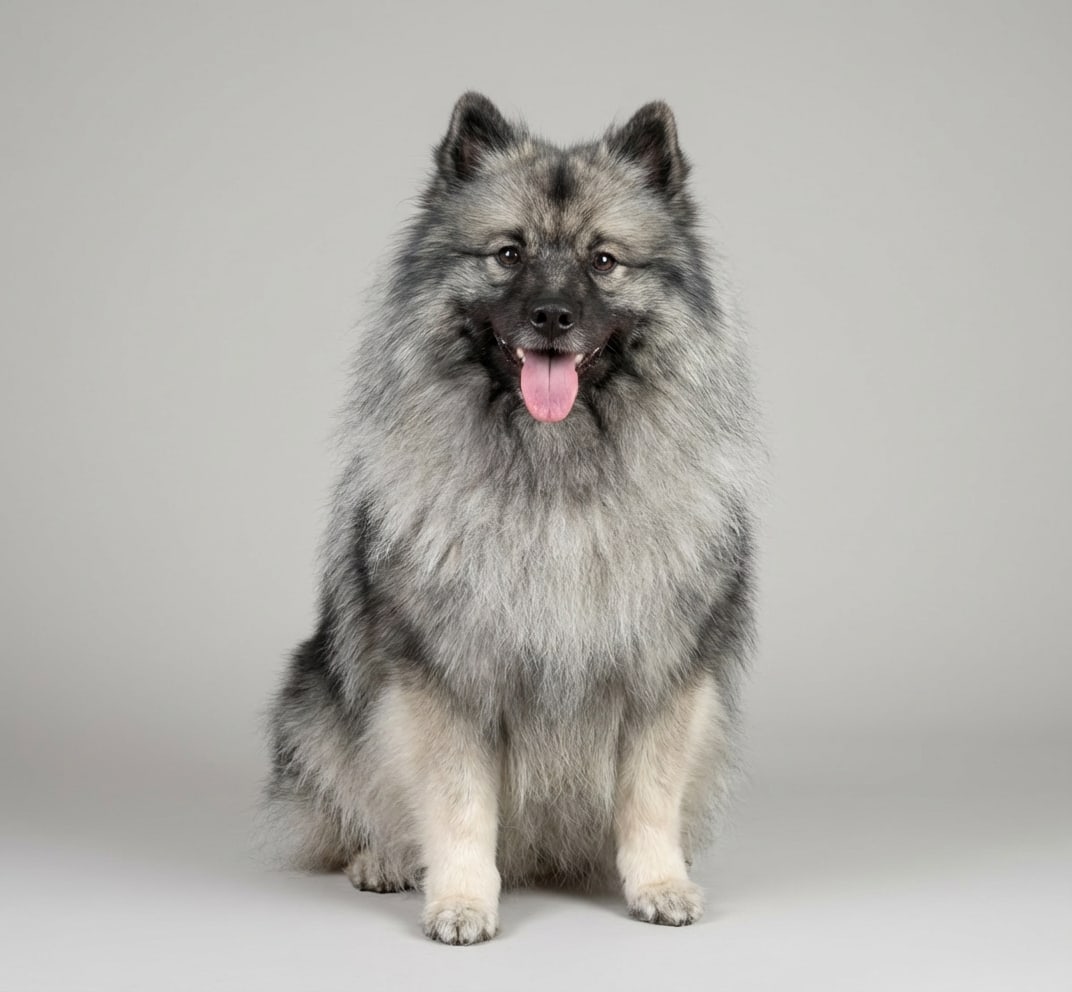
A Keeshond's plush, 'spectacled' double coat is a stunning sight, but it comes with a price: heavy shedding that demands regular brushing. For Keeshond owners, this daily ritual is a labor of love, a chance to bond with their friendly, affectionate companion. As they navigate the joys and challenges of life with a Keeshond, owners quickly learn that this breed's moderate energy level and lively temperament require a balance of exercise, training, and playtime. With their alert, outgoing personalities, Keeshonds thrive on interaction and attention, making them a great fit for families and active individuals who can provide the necessary time and commitment. However, their high grooming needs and potential health issues, such as hip dysplasia and patellar luxation, mean that prospective owners must carefully consider whether they can provide the necessary care and attention. As a medium-sized breed, Keeshonds are adaptable to a variety of living situations, from apartments to homes with yards, but they do require regular exercise and mental stimulation to prevent boredom and destructive behavior.
What to look for
Assessing Your Lifestyle
Before bringing a Keeshond into your home, consider your daily routine and whether you can provide the necessary time for exercise, training, and grooming. Keeshonds require at least 30 minutes of exercise per day, as well as regular brushing to prevent matting and tangling. If you have a busy schedule or limited time for grooming, a Keeshond may not be the best fit.
Space and Living Situation
While Keeshonds are adaptable to a variety of living situations, they do require regular exercise and mental stimulation. If you live in an apartment, you'll need to ensure that you can provide regular walks and playtime, as well as training to prevent barking and destructive behavior. A yard is not necessary, but it can be beneficial for providing additional exercise and playtime.
Family and Social Dynamics
Keeshonds are highly social dogs that thrive on interaction and attention. They make great family pets, especially for families with children, as they are patient and gentle. However, they can be wary of strangers, so early socialization is crucial to ensure that they are confident and calm in new situations.
Health and Grooming Costs
Keeshonds are prone to certain health issues, such as hip dysplasia and patellar luxation, which can result in significant veterinary costs. Additionally, their high grooming needs mean that you'll need to budget for regular brushing, nail trimming, and ear cleaning. It's essential to factor these costs into your decision and ensure that you can provide the necessary care and attention.
Long-Term Commitment
Keeshonds have an average lifespan of 12-15 years, which means that you'll need to make a long-term commitment to caring for your dog. This includes providing regular exercise, training, and grooming, as well as addressing any health issues that may arise. If you're unsure about your ability to make this commitment, it may be best to consider a different breed.
Frequently asked questions
Do Keeshonds make good apartment dogs?
Yes, Keeshonds can thrive in apartment living, but they do require regular exercise and mental stimulation. You'll need to ensure that you can provide daily walks and playtime, as well as training to prevent barking and destructive behavior.
How much grooming do Keeshonds require?
Keeshonds have a thick, double coat that sheds heavily, requiring regular brushing to prevent matting and tangling. You'll need to brush your Keeshond at least 2-3 times per week, with daily brushing during shedding season.
Are Keeshonds good with children?
Yes, Keeshonds are highly social dogs that make great family pets, especially for families with children. They are patient and gentle, but it's essential to socialize them early to ensure that they are confident and calm around children.
What health issues are Keeshonds prone to?
Keeshonds are prone to certain health issues, including hip dysplasia, patellar luxation, hypothyroidism, and epilepsy. It's essential to work with a reputable breeder and to have your dog regularly checked by a veterinarian to address any potential health issues.
How much exercise do Keeshonds require?
Keeshonds require at least 30 minutes of exercise per day, which can include walks, playtime, and training. They are moderate-energy dogs that need regular physical and mental stimulation to prevent boredom and destructive behavior.
For the right owner, a Keeshond can be a loving and loyal companion. If you're an active individual or family with a strong commitment to providing regular exercise, training, and grooming, a Keeshond may be an excellent fit. However, if you're unsure about your ability to provide the necessary care and attention, it's essential to carefully consider your decision and potentially explore other breeds that may be a better match for your lifestyle and living situation.
More for your Keeshond
Other breed-matched picks worth a look.