Is a Lhasa Apso the Right Dog for You?
By PetEssentialist Team · Updated July 2026 · How we review
We independently research and pick every product. When you buy through our links we may earn a commission, at no extra cost to you. How this works.
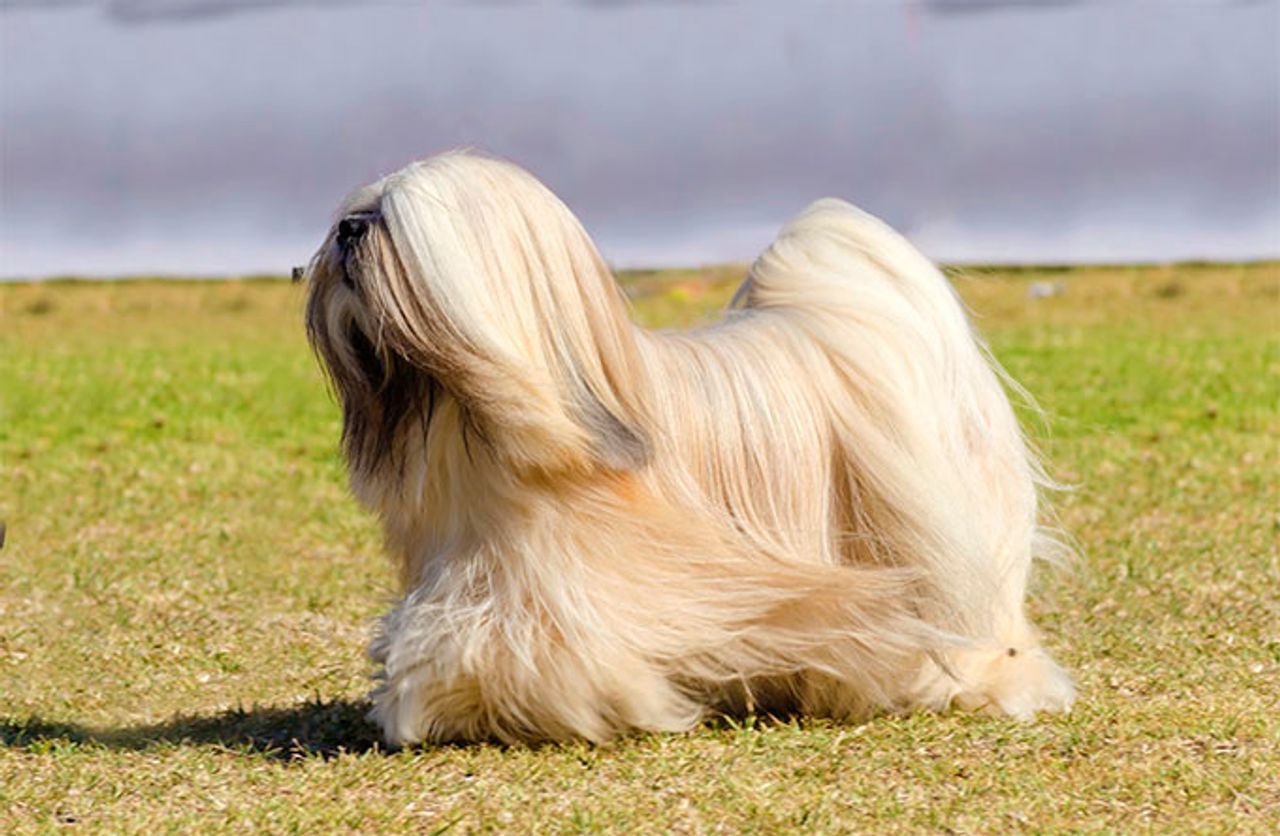
A Lhasa Apso's flowing floor-length coat is a stunning sight, but it demands daily care or regular clipping to prevent matting and tangling. For owners who enjoy grooming, this can be a therapeutic bonding experience. However, for those with busy schedules, the high maintenance coat may become a challenge. Additionally, Lhasa Apsos are naturally independent and can be wary of strangers, making early socialization crucial. Their moderate energy level means they require regular exercise, but a daily walk and playtime can suffice. Lhasa Apsos are generally healthy, but they can be prone to eye and kidney issues, which necessitates regular veterinary check-ups. As a small breed, they are well-suited for apartment living, but their alert nature means they can be vigilant watchdogs. Despite their small size, Lhasa Apsos have big personalities, and their confident, playful temperament makes them a joy to be around. But before bringing a Lhasa Apso into your life, it's essential to consider whether you can provide the necessary care, attention, and patience they require.
What to look for
Grooming Commitment
Lhasa Apsos require daily grooming to prevent matting and tangling, which can be time-consuming. Owners should be prepared to dedicate at least 30 minutes a day to grooming, or consider regular clipping to simplify care. It's essential to factor in the cost of professional grooming or invest in the right tools for at-home grooming.
Space and Exercise
While Lhasa Apsos are adaptable to apartment living, they still need regular exercise to stay happy and healthy. A daily walk and playtime can suffice, but owners should ensure they have enough space for their Lhasa Apso to move around comfortably. A small yard or regular access to a park can be beneficial, but it's not essential.
Training and Socialization
Lhasa Apsos can be independent and strong-willed, making training and socialization crucial. Owners should invest time in positive reinforcement training and socialize their Lhasa Apso from an early age to ensure they become confident and calm in new situations. Consistency and patience are key when training a Lhasa Apso.
Health Concerns
Lhasa Apsos are prone to certain health issues, such as kidney dysfunction, cherry eye, and patellar luxation. Regular veterinary check-ups and a balanced diet can help prevent or manage these conditions. Owners should also be prepared for potential eye and kidney problems, and factor in the cost of ongoing veterinary care.
Family Dynamics
Lhasa Apsos can make great family pets, but they can be wary of young children and may not tolerate rough handling. Owners with families should ensure their children understand how to handle the Lhasa Apso gently and respectfully, and supervise interactions closely. With proper socialization and training, Lhasa Apsos can thrive in a family environment.
Frequently asked questions
How often should I groom my Lhasa Apso?
Daily grooming is essential to prevent matting and tangling, but the frequency of grooming sessions can vary depending on your Lhasa Apso's individual needs and lifestyle. Consult with a professional groomer or veterinarian for personalized advice.
Can Lhasa Apsos be left alone for extended periods?
Lhasa Apsos can tolerate some alone time, but they thrive on interaction and attention. Leaving them alone for extended periods can lead to separation anxiety and destructive behavior. Owners should aim to spend quality time with their Lhasa Apso and consider hiring a dog walker or asking a friend to visit if they have a busy schedule.
Are Lhasa Apsos suitable for first-time dog owners?
Lhasa Apsos can be a challenging breed for first-time dog owners due to their independent nature and high grooming needs. However, with patience, consistency, and proper training, they can make wonderful companions for inexperienced owners. It's essential to research and understand the breed's specific needs before making a decision.
How much exercise does a Lhasa Apso need?
Lhasa Apsos require moderate exercise, including daily walks and playtime. They can adapt to apartment living, but they still need regular physical and mental stimulation to prevent boredom and destructive behavior. Aim for at least 30 minutes of exercise per day, and consider adding interactive toys and puzzle games to their routine.
What health issues should I be aware of in Lhasa Apsos?
Lhasa Apsos are prone to certain health issues, including kidney dysfunction, cherry eye, patellar luxation, and dry eye. Regular veterinary check-ups, a balanced diet, and genetic testing can help identify potential problems early on. Owners should also be prepared for ongoing veterinary care and factor in the cost of potential health issues.
For the right owner, a Lhasa Apso can be a loving and loyal companion. If you're willing to invest time in grooming, training, and socialization, and can provide a stable and loving environment, a Lhasa Apso may be the perfect fit for you. Ultimately, it's essential to prioritize your Lhasa Apso's unique needs and be prepared to make a long-term commitment to their care and well-being.
More for your Lhasa Apso
Other breed-matched picks worth a look.