Is a Maltese the Right Dog for You?
By PetEssentialist Team · Updated June 2026 · How we review
We independently research and pick every product. When you buy through our links we may earn a commission, at no extra cost to you. How this works.
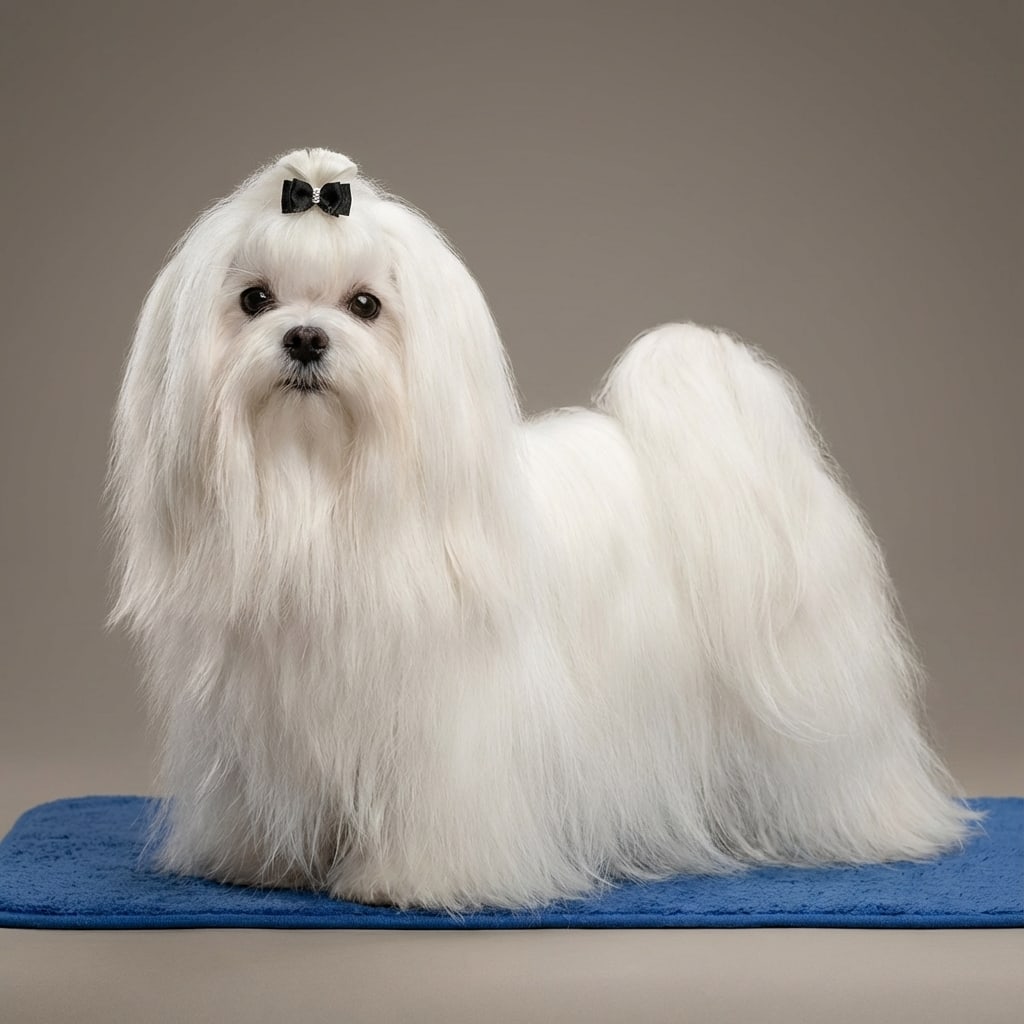
For those who adore small, affectionate companions, the Maltese can be an ideal choice. Their gentle, playful, and fearless nature makes them a great addition to many families. However, their beautiful, flowing white coat requires daily care, and their small size means they need a trachea-sensitive harness and regular dental care to prevent common health issues like dental disease and collapsing trachea. Living with a Maltese means being prepared for the time commitment of grooming their long, silky single coat, which sheds very little but needs regular brushing to prevent matting. Their moderate energy level requires daily exercise, but their small size means they can thrive in apartments with short, gentle walks. Before deciding if a Maltese is the right dog for you, it's essential to consider their specific needs and whether your lifestyle can accommodate their requirements.
What to look for
Temperament and Training
The Maltese is known for being gentle and affectionate, but they can be fearless, which means they may require consistent training and socialization to ensure they interact well with other pets and people. Their small size means they can be prone to anxiety and fear-based behaviors if not properly trained. A patient and gentle approach to training is essential to help them become confident and well-behaved companions.
Space and Exercise Needs
Despite their small size, Maltese need regular exercise to stay happy and healthy. Daily walks and playtime are essential, but they must be gentle and short to prevent trachea damage. They can thrive in apartments, but they do need some outdoor time to explore and get some fresh air. A securely fenced area or a quiet, indoor space for playtime is ideal.
Grooming and Coat Care
The Maltese coat is one of their most distinctive features, but it requires daily care to prevent matting and tangling. Regular brushing, ideally with a slicker brush or a pin brush, is necessary to keep their coat in good condition. Additionally, their low-shedding coat means they are a good choice for those with allergies, but it also means they need regular cleaning to prevent tear staining.
Health and Veterinary Care
Maltese are prone to certain health issues, including dental disease, patellar luxation, and collapsing trachea. Regular veterinary check-ups and a good dental care routine can help prevent these issues. It's also essential to monitor their tear staining and take steps to prevent it, such as regular cleaning and a balanced diet.
Cost and Time Commitment
Owning a Maltese requires a significant time commitment, particularly when it comes to grooming and training. They also require regular veterinary check-ups and a balanced diet, which can be costly. However, for those who are willing to invest the time and money, the rewards of owning a Maltese can be immense, including their loving and affectionate nature.
Frequently asked questions
How often should I groom my Maltese?
The Maltese coat requires daily grooming to prevent matting and tangling. Ideally, you should brush your Maltese for at least 10-15 minutes each day, using a slicker brush or a pin brush to keep their coat in good condition.
Can Maltese live in apartments?
Yes, Maltese can thrive in apartments, but they do need some outdoor time to explore and get some fresh air. A securely fenced area or a quiet, indoor space for playtime is ideal. They are relatively quiet and won't disturb neighbors, but they do need regular exercise to stay happy and healthy.
Are Maltese good with children?
Maltese can be good with children, but they are a small breed and can be fragile. They require gentle handling and may not be suitable for very young children who may not understand how to handle them carefully. However, they can make great companions for older children who are willing to learn how to care for them.
How much exercise does a Maltese need?
Maltese need regular exercise to stay happy and healthy, but they don't require a lot of physical activity. Daily walks and playtime are essential, but they must be gentle and short to prevent trachea damage. A 10-15 minute walk each day and some playtime indoors or in a securely fenced area is ideal.
What health issues are common in Maltese?
Maltese are prone to certain health issues, including dental disease, patellar luxation, and collapsing trachea. Regular veterinary check-ups and a good dental care routine can help prevent these issues. It's also essential to monitor their tear staining and take steps to prevent it, such as regular cleaning and a balanced diet.
For those who are willing to invest the time and money, a Maltese can be a loving and affectionate companion. They are ideal for families with older children, retirees, or those who live in apartments and are looking for a small, gentle breed. With proper care and attention, a Maltese can thrive and bring immense joy to their owners. It's essential to consider their specific needs and whether your lifestyle can accommodate their requirements before deciding if a Maltese is the right dog for you.
More for your Maltese
Other breed-matched picks worth a look.