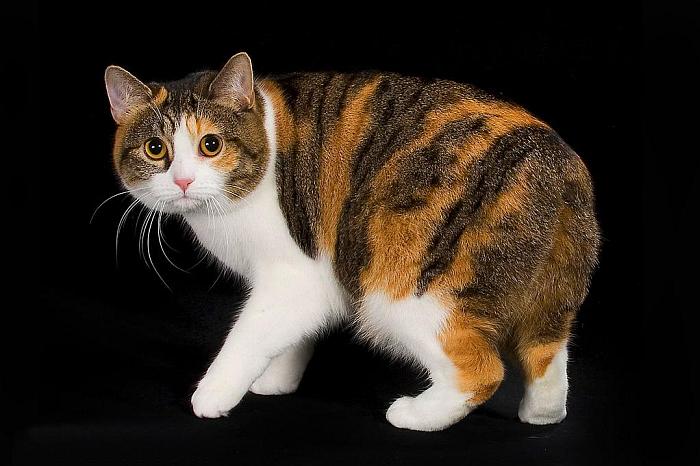
Is a Manx the Right Cat for You?
By PetEssentialist Team · Updated July 2026 · How we review
We independently research and pick every product. When you buy through our links we may earn a commission, at no extra cost to you. How this works.
The Manx breed is known for its distinctive tailless or short-tailed appearance, but what many potential owners overlook is that this unique characteristic is linked to spinal health risks. In fact, the tailless gene that defines the breed can increase the likelihood of Manx syndrome, a condition that affects the spinal cord. Despite this potential health concern, the Manx is a beloved breed, cherished for its playful, gentle, and loyal temperament. With a medium size, weighing between 8-12 pounds, and a short or long double coat that sheds moderately, the Manx is a sturdy and dog-like companion that thrives on interaction. With a moderate energy level and a lifespan of 12-14 years, the Manx is a long-term commitment that requires careful consideration of their specific needs, including regular grooming, a balanced diet, and careful monitoring of their health.
What to look for
Temperament and Lifestyle
The Manx is a highly social breed that requires regular interaction and playtime. They are well-suited to families with children or to owners who have plenty of time to devote to their pet. However, they can be wary of strangers, so early socialization is crucial. Potential owners should consider their lifestyle and ensure they can provide the necessary attention and care.
Grooming and Maintenance
The Manx has a moderate grooming needs, with their short or long double coat requiring regular brushing to prevent matting and tangling. They also need regular nail trimming, ear cleaning, and dental care. Owners should be prepared to commit time and resources to maintaining their Manx's coat and overall health.
Health Concerns and Costs
The Manx is prone to certain health issues, including Manx syndrome, arthritis, corneal dystrophy, and megacolon. Potential owners should be aware of these risks and factor in the potential costs of veterinary care and management. Regular check-ups and a balanced diet can help mitigate these risks, but owners should be prepared for the possibility of ongoing health issues.
Home and Environment
The Manx is a sturdy and dog-like breed that requires a comfortable and safe living space. They are well-suited to homes with secure gardens or outdoor areas where they can exercise and play. However, they can be prone to escaping, so owners should ensure their home is secure and escape-proof.
Long-term Commitment
The Manx has a lifespan of 12-14 years, making them a long-term commitment. Potential owners should consider their ability to provide a stable and loving home for the duration of the cat's life. This includes planning for the cat's future, including arrangements for care when the owner is away or unable to care for the cat.
Frequently asked questions
Are Manx cats prone to obesity?
Yes, Manx cats can be prone to obesity, particularly if they are overfed or do not receive enough exercise. Regular monitoring of their weight and a balanced diet can help prevent obesity and related health issues.
Can Manx cats be left alone for long periods?
No, Manx cats are highly social and require regular interaction and attention. They can become stressed and anxious if left alone for long periods, so owners should ensure they have a plan in place for care and companionship when they are away.
Are Manx cats suitable for families with young children?
Yes, Manx cats can make excellent family pets, particularly if socialized from an early age. However, as with any breed, it is essential to teach children how to interact with the cat gently and respectfully to avoid stressing or harming the animal.
Do Manx cats require a lot of grooming?
Manx cats have moderate grooming needs, requiring regular brushing to prevent matting and tangling. They also need regular nail trimming, ear cleaning, and dental care. While they do require some grooming, it is not excessive, and many owners find it a enjoyable way to bond with their pet.
Can Manx cats be trained?
Yes, Manx cats are highly intelligent and can be trained with patience and consistency. They respond well to positive reinforcement and can learn to perform tricks and obey commands. However, they can be stubborn at times, so owners should be prepared to invest time and effort into training.
For the right owner, a Manx cat can make a loving and loyal companion. They thrive in homes where they receive regular attention and interaction, and their sturdy build and playful temperament make them an excellent choice for families or owners who enjoy interactive play. By understanding the breed's specific needs and potential health concerns, owners can provide the best possible care and create a happy and fulfilling relationship with their Manx cat.
More for your Manx
Other breed-matched picks worth a look.