Is a Munchkin the Right Cat for You?
By PetEssentialist Team · Updated July 2026 · How we review
We independently research and pick every product. When you buy through our links we may earn a commission, at no extra cost to you. How this works.
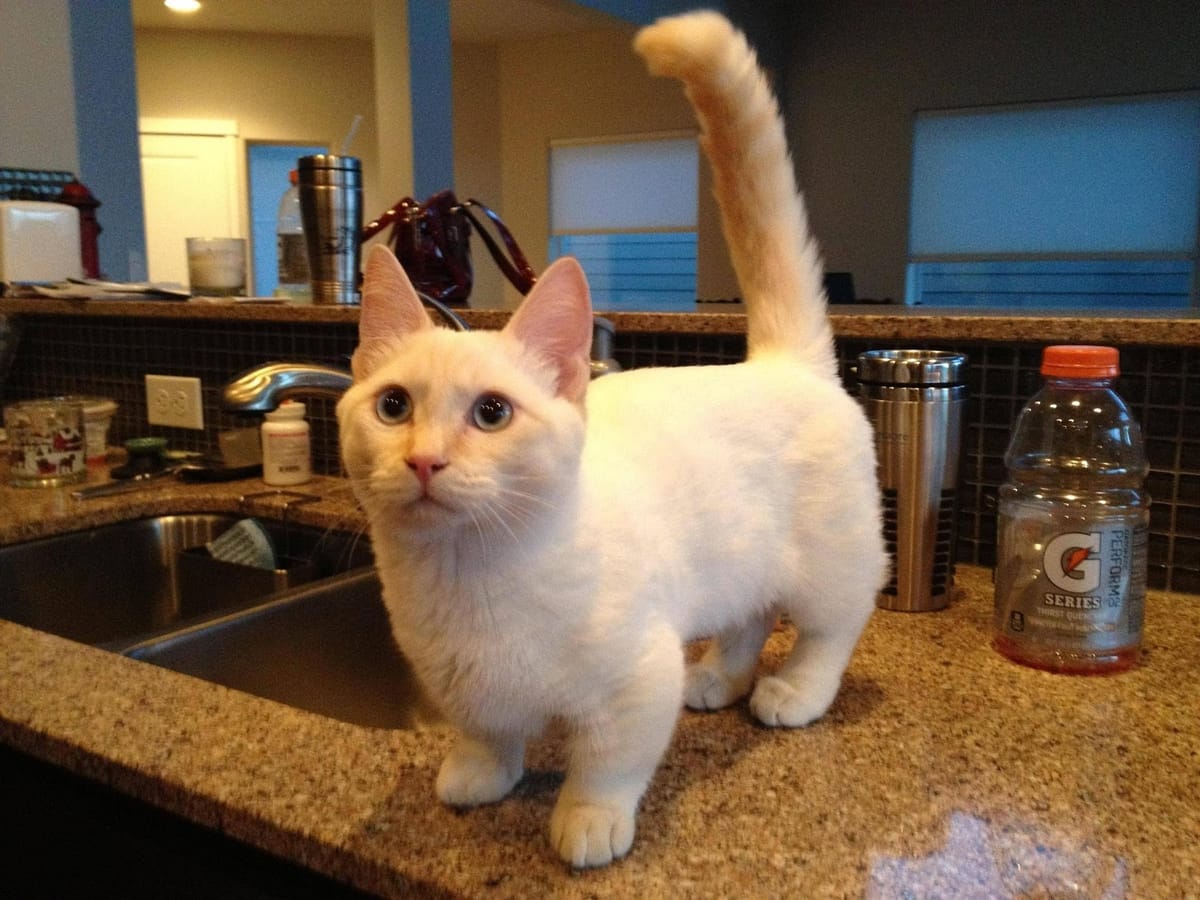
A typical morning for a Munchkin owner begins with a tiny, playful bundle of energy darting around the house, their short legs moving at an incredible pace as they chase toys or climb furniture. Despite their small stature, Munchkins are known for their agility and speed, making them a joy to watch. However, their unique physical characteristics also mean they require special care and attention to prevent health issues such as lordosis and arthritis. With their outgoing, affectionate, and curious nature, Munchkins thrive on interaction and playtime, needing plenty of stimulation to prevent boredom and obesity. Their moderate shedding and grooming needs mean they require regular brushing and grooming sessions. As a potential owner, it's essential to consider whether you can provide the necessary time, attention, and care to meet the needs of this lively and loving breed. For those willing to invest the time and effort, the rewards of Munchkin ownership are plentiful. Their playful, outgoing personalities make them a great fit for families with children or for individuals who enjoy interactive play. However, their high energy levels and potential health issues mean they may not be the best fit for every household.
What to look for
Assessing Your Lifestyle
Before bringing a Munchkin into your home, consider your daily routine and whether you have time for regular play sessions and grooming. Munchkins require at least 2-3 hours of playtime and interaction per day, and their moderate shedding means they need regular brushing to prevent matting. If you have a busy schedule or are away from home for extended periods, you may need to consider hiring a pet sitter or asking a friend to check in on your Munchkin.
Understanding Health Risks
Munchkins are prone to specific health issues such as lordosis, pectus excavatum, and arthritis due to their short-legged stature. Regular veterinary check-ups and a balanced diet can help prevent or manage these conditions. It's essential to factor in the potential costs of veterinary care and consider investing in pet insurance to cover unexpected expenses.
Creating a Safe Environment
Munchkins are naturally curious and love to climb, so it's crucial to cat-proof your home by removing any hazardous materials or objects that could cause injury. You'll also need to provide plenty of toys, scratching posts, and climbing structures to keep your Munchkin entertained and exercised. A securely fenced garden or outdoor enclosure can also provide a safe space for your Munchkin to explore and play.
Budgeting for Care
The cost of owning a Munchkin can add up, from food and litter to veterinary care and toys. You'll need to budget for regular grooming sessions, high-quality food, and potential veterinary expenses. It's also essential to consider the long-term commitment of caring for a Munchkin, as they can live up to 12-15 years with proper care.
Preparing for the Long Term
Before bringing a Munchkin into your life, consider whether you're prepared to make a long-term commitment to their care. Munchkins can live up to 12-15 years, and their needs will change over time. As they age, they may require more frequent veterinary check-ups, and their mobility may decrease due to arthritis or other health issues. With proper care and attention, however, Munchkins can thrive and bring joy and companionship to their owners for many years.
Frequently asked questions
How much exercise does a Munchkin need?
Munchkins require at least 2-3 hours of playtime and interaction per day, including plenty of opportunities for running, climbing, and playing with toys. They also need regular breaks to rest and relax, as their high energy levels can be exhausting.
Can Munchkins be left alone for long periods?
While Munchkins can tolerate some alone time, they thrive on interaction and can become bored, destructive, or anxious if left alone for too long. If you have a busy schedule, consider hiring a pet sitter or asking a friend to check in on your Munchkin during the day.
Are Munchkins prone to any specific health issues?
Yes, Munchkins are prone to specific health issues such as lordosis, pectus excavatum, and arthritis due to their short-legged stature. Regular veterinary check-ups and a balanced diet can help prevent or manage these conditions.
Do Munchkins make good family pets?
Munchkins can make great family pets, especially for families with children who are old enough to understand and respect their needs. However, they may not be the best fit for very young children, as they can be fragile and require gentle handling.
How much grooming does a Munchkin require?
Munchkins have moderate shedding and grooming needs, requiring regular brushing to prevent matting and tangling. They also need regular nail trimming, ear cleaning, and dental care to stay healthy and happy.
For the right owner, a Munchkin can be a loving and entertaining companion. If you're willing to invest time and effort into providing regular playtime, grooming, and veterinary care, a Munchkin can thrive and bring joy to your life. With their playful, outgoing personalities and adaptable nature, Munchkins are an excellent choice for families or individuals who can provide the necessary care and attention.
More for your Munchkin
Other breed-matched picks worth a look.