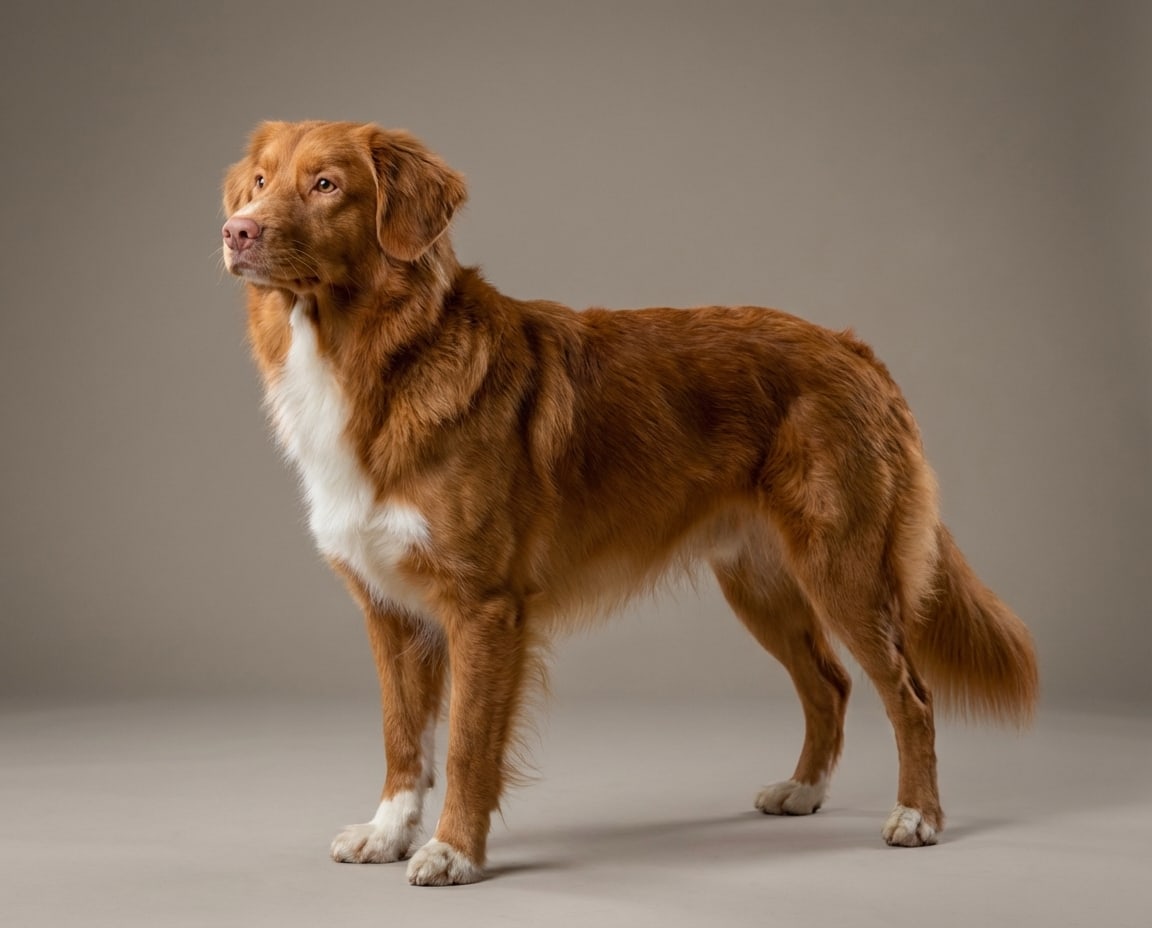
Is a Nova Scotia Duck Tolling Retriever the Right Dog for You?
By PetEssentialist Team · Updated July 2026 · How we review
We independently research and pick every product. When you buy through our links we may earn a commission, at no extra cost to you. How this works.
For active families or individuals looking for a loyal companion that thrives on both land and water, the Nova Scotia Duck Tolling Retriever presents an exciting opportunity. With their medium size and high energy level, they require a significant amount of exercise and mental stimulation. Their water-resistant double coat, while beautiful, sheds heavily and demands moderate grooming, making them a considerable commitment for any potential owner. The Nova Scotia Duck Tolling Retriever's intelligence, outgoing personality, and affectionate nature make them highly trainable and wonderful family pets, but their high maintenance needs mean they're not suited for everyone. Understanding their specific requirements is crucial for providing the best possible life for these dogs. From their need for daily, rigorous exercise to their propensity for certain health issues like hip dysplasia and Addison's disease, the decision to bring a Nova Scotia Duck Tolling Retriever into your life should be made with careful consideration of your lifestyle, living situation, and ability to provide the necessary care and attention.
What to look for
Energy Level and Exercise Needs
Nova Scotia Duck Tolling Retrievers are highly energetic and require at least two hours of exercise per day, including a mix of physical activity and mental stimulation. This can include walks, runs, playtime, and training sessions. Their exercise needs are not just about physical health but also about preventing boredom and destructive behavior. Potential owners must have an active lifestyle or be willing to adapt to meet these needs.
Grooming and Coat Maintenance
The medium double coat of the Nova Scotia Duck Tolling Retriever sheds heavily, particularly during shedding seasons, and requires regular grooming to prevent matting and tangling. While their grooming needs are considered moderate, they do need regular brushing, occasional bathing, and potentially professional grooming to keep their coat in good condition. This is an important consideration for anyone with allergies or a preference for low-maintenance grooming.
Training and Mental Stimulation
As highly intelligent dogs, Nova Scotia Duck Tolling Retrievers thrive on mental stimulation and respond well to positive reinforcement training. They need consistent, engaging training sessions to prevent boredom and to develop good behavior. Investing time in training not only strengthens the bond between dog and owner but also helps in managing their energetic and sometimes stubborn nature.
Health Considerations
Nova Scotia Duck Tolling Retrievers are prone to certain health issues, including hip dysplasia, Progressive Retinal Atrophy (PRA), Addison's disease, and autoimmune disorders. Regular veterinary check-ups, a healthy diet, and a safe living environment are crucial for preventing or managing these conditions. Potential owners should also consider the cost of veterinary care and the importance of genetic testing for breeding dogs.
Family and Living Situation
While Nova Scotia Duck Tolling Retrievers can adapt to apartment living if provided with sufficient exercise and stimulation, they are best suited for homes with yards where they can run freely. They make excellent family pets, especially for families with older children who can understand and respect their energetic and playful nature. However, their high energy levels and need for attention mean they may not be the best fit for very young children or for households where they would be left alone for long periods.
Frequently asked questions
How much exercise does a Nova Scotia Duck Tolling Retriever need?
A Nova Scotia Duck Tolling Retriever requires at least two hours of exercise per day, including physical activity and mental stimulation. This can be a combination of walks, runs, playtime, and training sessions.
Do Nova Scotia Duck Tolling Retrievers make good family pets?
Yes, Nova Scotia Duck Tolling Retrievers can make excellent family pets, especially for families with older children. They are loyal, affectionate, and energetic, making them a great addition to active families.
How often should I groom my Nova Scotia Duck Tolling Retriever?
Nova Scotia Duck Tolling Retrievers require regular grooming to manage their shedding and prevent matting. Daily brushing is recommended, with occasional bathing and potentially professional grooming sessions.
Are Nova Scotia Duck Tolling Retrievers prone to any health issues?
Yes, Nova Scotia Duck Tolling Retrievers are prone to several health issues, including hip dysplasia, Progressive Retinal Atrophy (PRA), Addison's disease, and autoimmune disorders. Regular veterinary check-ups and genetic testing are important for managing these conditions.
Can Nova Scotia Duck Tolling Retrievers live in apartments?
While Nova Scotia Duck Tolling Retrievers can adapt to apartment living, they require a significant amount of exercise and stimulation. If you can provide at least two hours of exercise and playtime per day, an apartment could be a suitable living situation for this breed.
The Nova Scotia Duck Tolling Retriever is a wonderful companion for active individuals or families who can provide the necessary exercise, training, and care. For those willing to invest time and effort into their dog's well-being, the rewards are immense. It's crucial to consider your lifestyle, living situation, and ability to meet the specific needs of this breed before deciding to bring a Nova Scotia Duck Tolling Retriever into your life.
More for your Nova Scotia Duck Tolling Retriever
Other breed-matched picks worth a look.