Is a Ocicat the Right Cat for You?
By PetEssentialist Team · Updated July 2026 · How we review
We independently research and pick every product. When you buy through our links we may earn a commission, at no extra cost to you. How this works.
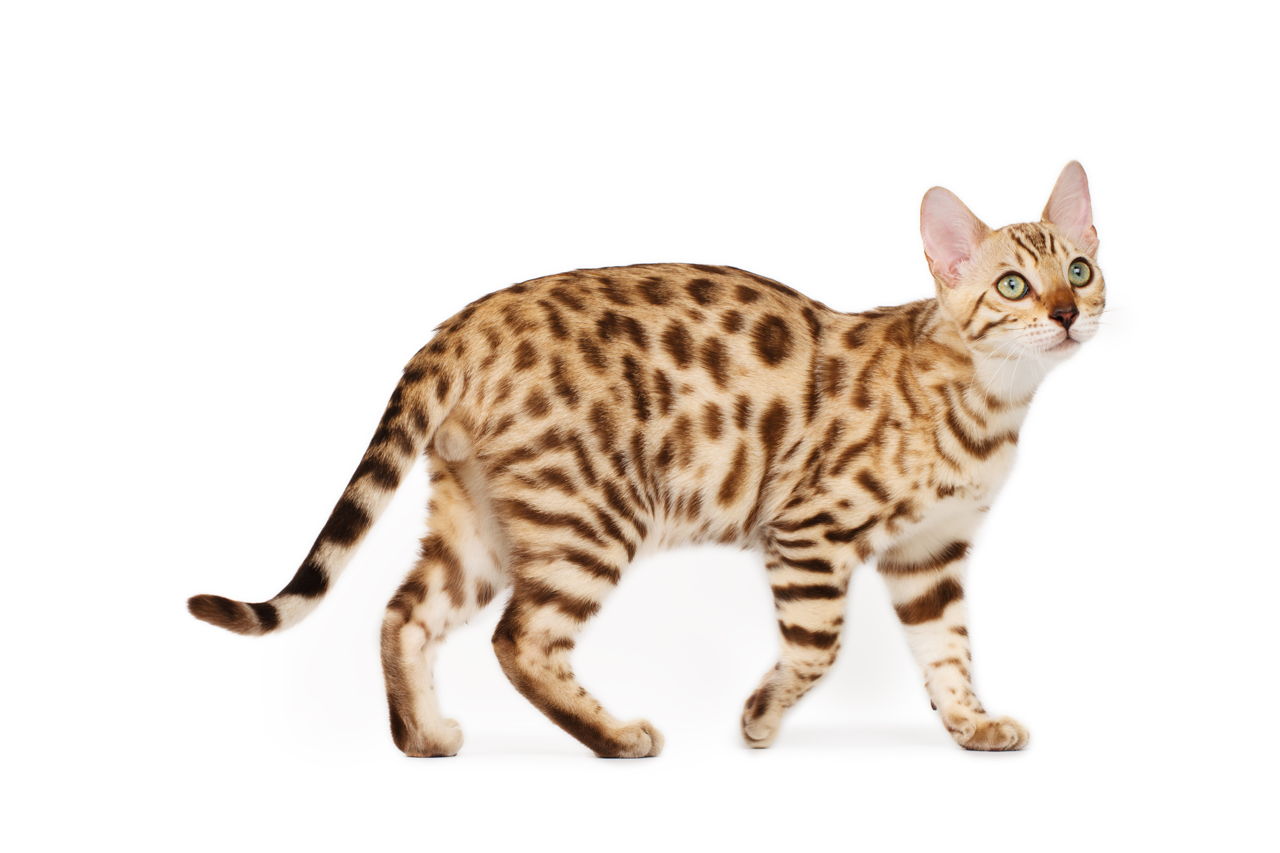
As the sun rises over a bustling household, an Ocicat springs into action, darting from room to room with an infectious energy that's hard to resist. Their wild-spotted coat may evoke the thrill of the jungle, but beneath their exotic appearance lies a fully domestic temperament that's social, trainable, and affectionate. For families and individuals who can match their high energy levels, the Ocicat makes a devoted and entertaining companion, forming strong bonds with their owners and thriving on interaction. With a lifespan of 12-18 years, owning an Ocicat is a long-term commitment that requires careful consideration of their needs and potential health issues, such as heart problems and kidney disease. Despite their relatively low-maintenance short coat, Ocicats demand attention and exercise to stay happy and healthy. As a large breed with a typical weight range of 6-15 lbs, Ocicats need space to move and play, making them a great fit for homes with ample room to roam and owners who can provide regular activity and mental stimulation.
What to look for
Energy Level and Exercise Needs
Ocicats are highly energetic and require regular exercise to stay happy and healthy. A daily routine that includes playtime, such as chasing toys or climbing, is essential to keep them entertained and stimulated. Owners should be prepared to dedicate at least 30 minutes a day to physical activity and mental stimulation. Without sufficient exercise, Ocicats may become restless and destructive.
Grooming and Coat Care
Despite their short coat, Ocicats still require regular grooming to remove loose hair and distribute skin oils. A weekly brushing session can help reduce shedding and prevent hairballs. Additionally, owners should pay attention to their Ocicat's nail health, as their high energy levels can lead to worn or damaged nails.
Training and Socialization
Ocicats are highly intelligent and responsive to training, making them a great breed for first-time owners. Positive reinforcement techniques, such as clicker training, can help establish good behavior and strengthen the bond between owner and pet. Socialization is also crucial, as Ocicats can be wary of strangers and new environments.
Health and Veterinary Care
Ocicats are prone to certain health issues, such as heart problems and kidney disease, which require regular veterinary check-ups and monitoring. Owners should work closely with their veterinarian to develop a preventative care plan and stay on top of potential health concerns.
Home and Family Dynamics
Ocicats thrive in homes with stable and predictable routines, where they can receive attention and interaction from their owners. They make great family pets, but owners should be aware of their high energy levels and potential for mischief, especially around young children or fragile items.
Frequently asked questions
How much time do Ocicats require from their owners?
Ocicats require at least 30 minutes a day of physical activity and mental stimulation, as well as regular interaction and attention from their owners. They thrive on social interaction and can become destructive if left alone for extended periods without exercise or play.
Are Ocicats prone to shedding?
Ocicats have a short, low-maintenance coat that sheds relatively little compared to other breeds. However, they still require regular grooming to remove loose hair and distribute skin oils.
Can Ocicats be trained?
Yes, Ocicats are highly intelligent and responsive to training. Positive reinforcement techniques, such as clicker training, can help establish good behavior and strengthen the bond between owner and pet.
What health issues are Ocicats prone to?
Ocicats are prone to certain health issues, such as heart problems, kidney disease, and periodontal disease. Regular veterinary check-ups and monitoring are essential to stay on top of potential health concerns.
Are Ocicats suitable for apartment living?
While Ocicats can adapt to apartment living, they require regular exercise and stimulation to stay happy and healthy. Owners should be prepared to provide ample space for play and exercise, or consider alternative living arrangements with more room to roam.
For active owners who can provide the necessary attention, exercise, and care, the Ocicat makes a loving and entertaining companion. By understanding their specific needs and potential health issues, owners can create a happy and healthy environment for their Ocicat to thrive. With the right care and attention, an Ocicat can be a devoted and loyal friend for many years to come.
More for your Ocicat
Other breed-matched picks worth a look.