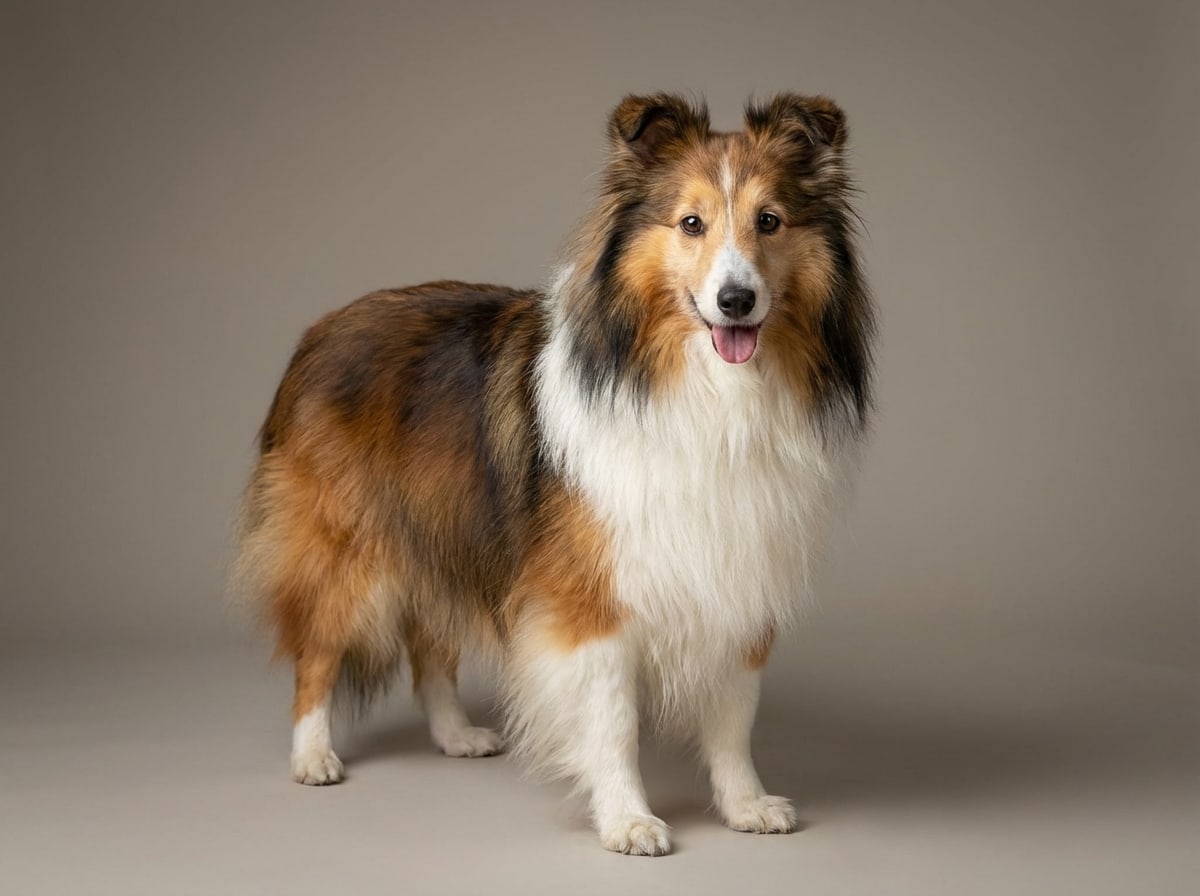
Is a Shetland Sheepdog the Right Dog for You?
By PetEssentialist Team · Updated July 2026 · How we review
We independently research and pick every product. When you buy through our links we may earn a commission, at no extra cost to you. How this works.
A Shetland Sheepdog's high-pitched bark echoes through the apartment hallway, a familiar sound for owners of this vocal herding breed. Their small size belies a big personality, as they bound through rooms with an energy level that can be exhausting for the unprepared. Their beautiful, long double coat requires regular grooming to prevent matting, a task that can be time-consuming but rewarding for those who enjoy it. Despite their high maintenance needs, Shetland Sheepdogs are highly trainable and sensitive, making them a great fit for active owners who value intelligence and loyalty in a pet. However, their high energy level and need for regular exercise mean they may not be the best choice for everyone. For those considering bringing a Shetland Sheepdog into their family, it's essential to carefully weigh the pros and cons of owning this breed, from their need for regular grooming and exercise to their potential health issues and loyalty to their owners.
What to look for
Energy Level and Exercise Needs
Shetland Sheepdogs require regular exercise to keep them happy and healthy, with a minimum of 30 minutes of physical activity per day. This can include walks, runs, and playtime in the yard, as well as mental stimulation to prevent boredom and destructive behavior. Owners who enjoy outdoor activities and have a spacious living area will find this breed to be a great companion. However, those with limited space or mobility may struggle to provide the necessary exercise and stimulation.
Grooming and Coat Maintenance
The Shetland Sheepdog's long double coat requires regular grooming to prevent matting and tangling, with daily brushing and regular trimming recommended. This can be a time-consuming task, but it's essential to prevent skin irritations and keep the coat in good condition. Owners who enjoy grooming or are willing to invest time and money in regular grooming sessions will find this breed to be a great choice.
Training and Sensitivity
Shetland Sheepdogs are highly trainable and sensitive, making them a great fit for owners who value intelligence and loyalty in a pet. They respond well to positive reinforcement training and require consistent, gentle handling to avoid anxiety and fear-based behaviors. Owners who are patient, consistent, and gentle will find this breed to be highly responsive to training and eager to please.
Health Issues and Veterinary Care
Shetland Sheepdogs are prone to several health issues, including hip dysplasia, eye conditions, and hypothyroidism, which can be costly and time-consuming to manage. Regular veterinary check-ups and a commitment to preventative care are essential to ensure the long-term health and well-being of this breed. Owners who are willing and able to invest in regular veterinary care and preventative measures will be better equipped to handle the potential health issues that may arise.
Family and Apartment Suitability
Shetland Sheepdogs can make great family pets, but they may not be the best choice for very young children due to their high energy level and potential for herding behavior. They are also well-suited to apartment living, provided they receive regular exercise and mental stimulation to prevent boredom and destructive behavior. Owners who live in small spaces or have young children should carefully consider their ability to provide the necessary care and attention before bringing a Shetland Sheepdog into their family.
Frequently asked questions
How often should I groom my Shetland Sheepdog?
Shetland Sheepdogs require daily brushing and regular trimming to prevent matting and tangling, with a recommended grooming session of at least 30 minutes per day. This can be a time-consuming task, but it's essential to prevent skin irritations and keep the coat in good condition.
Are Shetland Sheepdogs good with children?
Shetland Sheepdogs can make great family pets, but they may not be the best choice for very young children due to their high energy level and potential for herding behavior. They are highly sensitive and may be overwhelmed by loud or boisterous children, so it's essential to socialize them well and teach children how to interact with them gently and respectfully.
Do Shetland Sheepdogs make good apartment dogs?
Shetland Sheepdogs are well-suited to apartment living, provided they receive regular exercise and mental stimulation to prevent boredom and destructive behavior. They are relatively small in size and don't require a large yard, but they do need regular walks and playtime to keep them happy and healthy.
How much exercise does a Shetland Sheepdog need?
Shetland Sheepdogs require regular exercise to keep them happy and healthy, with a minimum of 30 minutes of physical activity per day. This can include walks, runs, and playtime in the yard, as well as mental stimulation to prevent boredom and destructive behavior.
What health issues are Shetland Sheepdogs prone to?
Shetland Sheepdogs are prone to several health issues, including hip dysplasia, eye conditions, and hypothyroidism, which can be costly and time-consuming to manage. Regular veterinary check-ups and a commitment to preventative care are essential to ensure the long-term health and well-being of this breed.
For active owners who value intelligence, loyalty, and trainability in a pet, a Shetland Sheepdog can make a wonderful companion. However, it's essential to carefully consider the breed's high energy level, grooming needs, and potential health issues before making a decision. By investing time and effort into providing regular exercise, grooming, and veterinary care, owners can help ensure the long-term health and happiness of their Shetland Sheepdog.
More for your Shetland Sheepdog
Other breed-matched picks worth a look.