Is a Turkish Angora the Right Cat for You?
By PetEssentialist Team · Updated July 2026 · How we review
We independently research and pick every product. When you buy through our links we may earn a commission, at no extra cost to you. How this works.
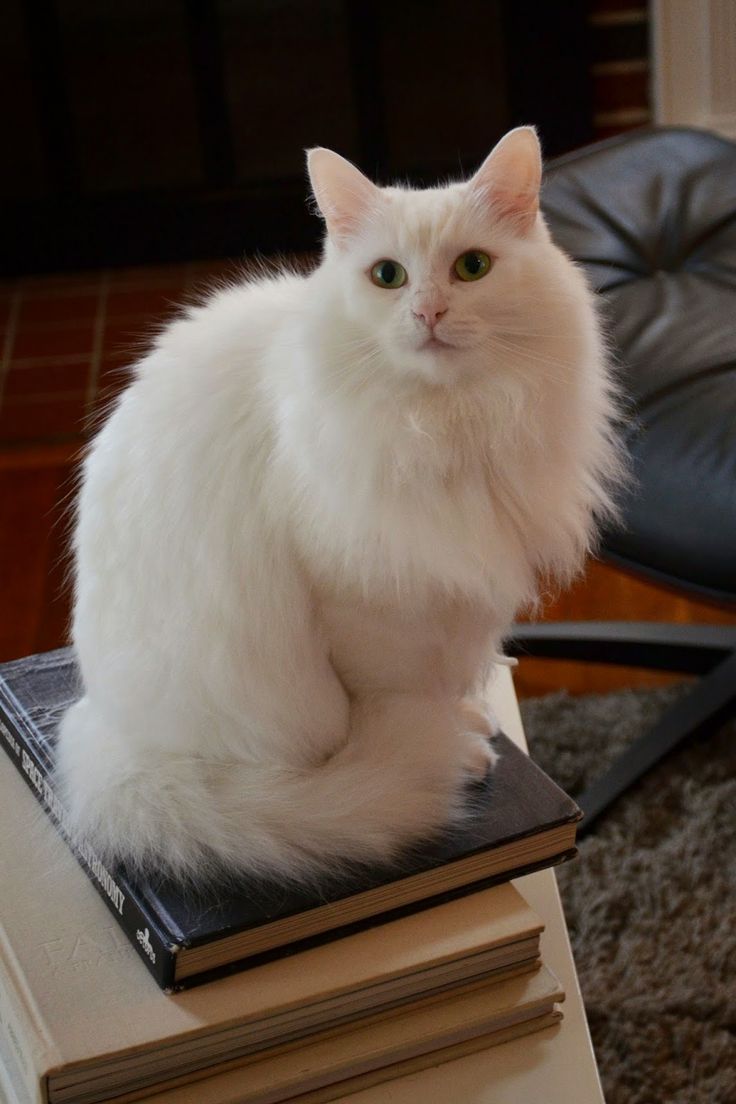
A Turkish Angora's playful pounce on a ball of yarn is a sight to behold, showcasing their high energy level and affectionate nature. As they grow and mature, their elegant, silky coats require regular grooming to prevent matting. For those considering bringing a Turkish Angora into their home, it's essential to understand the time commitment and potential health issues that come with owning this breed. With a lifespan of 12-18 years, Turkish Angoras are a long-term companion, requiring attention to their moderate shedding and potential health issues such as deafness, HCM, and ataxia. Their active and people-oriented temperament means they thrive on interaction and play, making them a great fit for families or individuals with plenty of time to devote to their pet. As a medium-sized breed, Turkish Angoras are well-suited to a variety of living situations, from apartments to houses with yards, as long as they receive regular exercise and mental stimulation. However, their high energy level and need for attention mean they may not be the best fit for busy households or those with limited time to devote to their pet.
What to look for
Temperament and Lifestyle
Turkish Angoras are highly social and require plenty of interaction and playtime. They thrive in households where they can receive attention and affection from their owners, making them a great fit for families or individuals who work from home. However, their high energy level means they may not be suitable for busy households or those with limited time to devote to their pet. A minimum of 2-3 hours of playtime and interaction per day is recommended to keep them happy and healthy.
Grooming and Maintenance
Turkish Angoras have a moderate shedding coat that requires regular grooming to prevent matting. A daily brushing routine is essential, with a minimum of 10-15 minutes per session. Additionally, their nails, teeth, and ears require regular maintenance to prevent health issues. A well-planned grooming routine can help prevent health problems and strengthen the bond between owner and pet.
Health and Veterinary Care
Turkish Angoras are prone to certain health issues, including deafness, HCM, and ataxia. Regular veterinary check-ups are essential to monitor their health and catch any potential issues early. A reputable breeder or rescue organization can provide guidance on the health of their parents and grandparents, helping to minimize the risk of inherited health problems.
Cost and Budgeting
The cost of owning a Turkish Angora goes beyond the initial purchase price. Owners should budget for regular grooming sessions, high-quality food, and potential veterinary expenses. A monthly budget of $50-100 per month is recommended to cover these expenses, with additional costs for unexpected veterinary visits or health issues.
Home and Environment
Turkish Angoras are adaptable to a variety of living situations, from apartments to houses with yards. However, they require regular exercise and mental stimulation to prevent boredom and destructive behavior. A secure, escape-proof enclosure or room is recommended to prevent injury or escape, with plenty of toys and scratching posts to keep them entertained.
Frequently asked questions
How often should I groom my Turkish Angora?
Daily brushing is essential to prevent matting and tangling of their coat, with a minimum of 10-15 minutes per session. Additionally, their nails, teeth, and ears require regular maintenance to prevent health issues.
Are Turkish Angoras prone to any specific health issues?
Yes, Turkish Angoras are prone to deafness, HCM, and ataxia. Regular veterinary check-ups are essential to monitor their health and catch any potential issues early.
Can Turkish Angoras be left alone for long periods?
No, Turkish Angoras are highly social and require plenty of interaction and playtime. They thrive in households where they can receive attention and affection from their owners, making them a great fit for families or individuals who work from home.
How much exercise does a Turkish Angora need?
Turkish Angoras require regular exercise and mental stimulation to prevent boredom and destructive behavior. A minimum of 2-3 hours of playtime and interaction per day is recommended to keep them happy and healthy.
Are Turkish Angoras suitable for households with young children?
Yes, Turkish Angoras are generally suitable for households with young children, as they are playful and affectionate. However, as with any breed, it's essential to socialize them well and teach children how to interact with them gently and respectfully.
For those who can provide the necessary time, attention, and care, a Turkish Angora can make a loving and loyal companion. With their playful, intelligent, and affectionate nature, they thrive in households where they can receive plenty of interaction and playtime. By understanding their specific needs and potential health issues, owners can provide the best possible life for their Turkish Angora, enjoying a happy and healthy relationship for years to come.
More for your Turkish Angora
Other breed-matched picks worth a look.