Abyssinian
The Abyssinian is a medium cat known for being active, curious, playful.
- Size
- medium
- Weight
- 6–10 lbs
- Life span
- 12–15 yrs
- Coat
- short ticked
- Shedding
- low
- Energy
- very high
Health to watch for
Common breed predispositions — not a diagnosis. Always consult your vet.
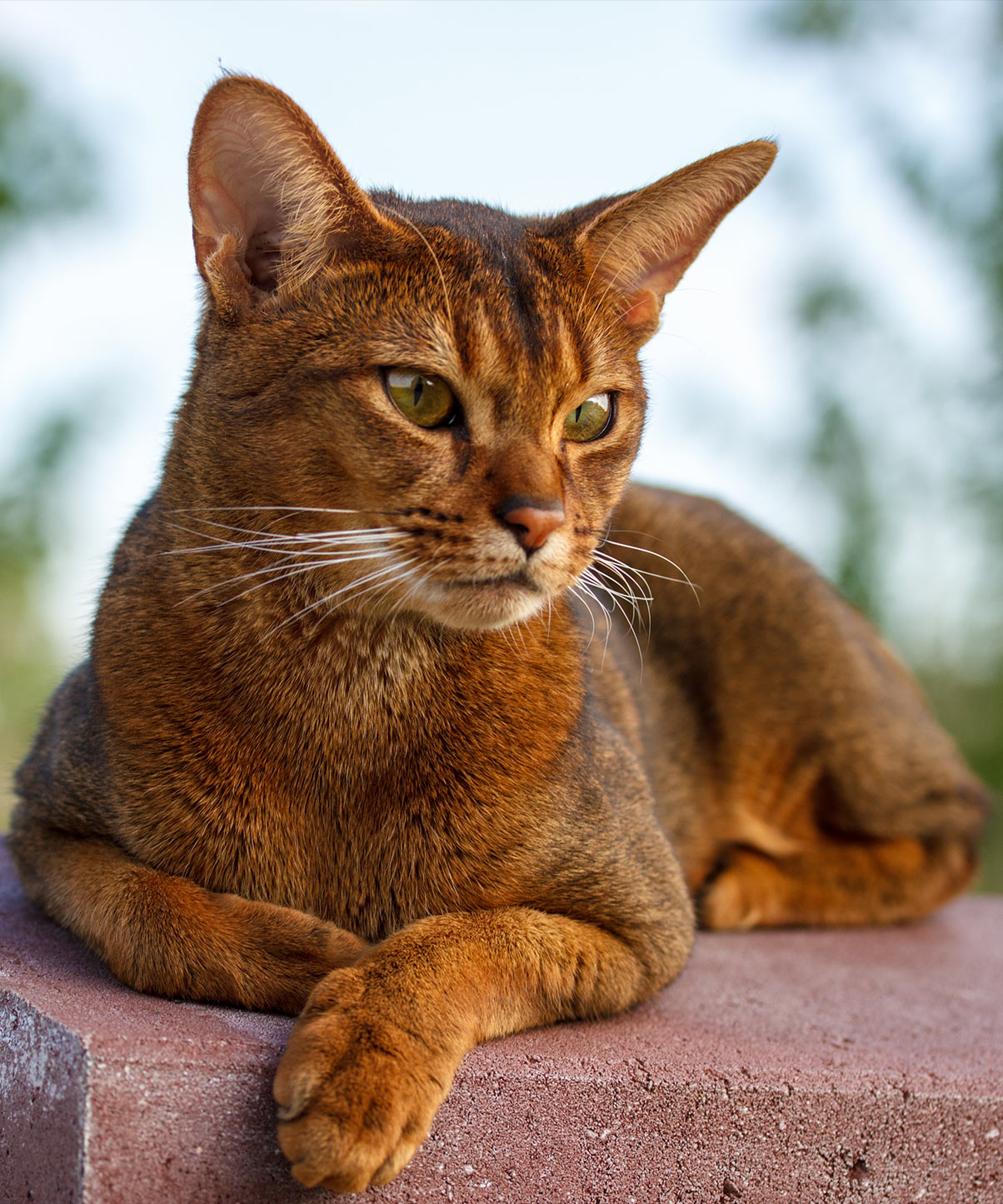
Abyssinian cats require a unique balance of physical and mental stimulation to thrive. Their high energy levels and curious nature mean they need plenty of opportunities for play and exploration. With a typical weight range of 6-10 pounds and a short, low-maintenance coat, Abyssinians are a great choice for owners who want a compact, energetic companion.
Their athletic build and love of heights mean they need plenty of vertical space to climb and play, making them a great fit for owners with room to spare. Abyssinians are also highly intelligent and active, requiring a stimulating environment that challenges them and keeps them engaged.
As a breed prone to certain health issues, including PRA and pyruvate kinase deficiency, it's essential for owners to be aware of the potential risks and take steps to mitigate them through regular veterinary care and a healthy lifestyle.
Exercise and Enrichment
Abyssinians need plenty of physical and mental stimulation to prevent boredom and stress. Owners should provide a variety of toys and activities that challenge their cat's problem-solving skills and encourage exercise, such as climbing walls and interactive play. A minimum of 30 minutes of playtime per day is recommended, with plenty of opportunities for exploration and adventure.
Grooming and Hygiene
Despite their short coat, Abyssinians still require regular grooming to remove loose hair and distribute skin oils. A weekly brushing session should suffice, with extra attention paid to the cat's nails, ears, and teeth. Regular dental care is essential to prevent dental disease, a common health issue in the breed.
Feeding and Nutrition
Abyssinians are prone to dental disease and other health issues, making a balanced and nutritious diet essential. Owners should choose a high-quality commercial cat food that meets their cat's life stage and lifestyle needs, with plenty of fresh water and limited treats. A weight management plan may also be necessary to prevent obesity and related health issues.
Health and Wellness
Abyssinians are prone to a range of health issues, including PRA, pyruvate kinase deficiency, and renal amyloidosis. Regular veterinary care, including annual check-ups and screening tests, can help identify potential problems early on. Owners should also be aware of the signs and symptoms of these conditions and seek veterinary advice if they notice any unusual changes in their cat's behavior or health.
Cost and Commitment
Owning an Abyssinian cat requires a significant investment of time, money, and resources. Owners should be prepared to spend at least $50-100 per month on food, litter, and veterinary care, with additional costs for toys, scratching posts, and other equipment. A long-term commitment to caring for the cat's physical and emotional needs is also essential, with a minimum lifespan of 12-15 years.
Abyssinian FAQ
How much exercise does an Abyssinian cat need?
A minimum of 30 minutes of playtime per day is recommended, with plenty of opportunities for exploration and adventure. This can include play with toys, climbing, and interactive games.
Are Abyssinians prone to any specific health issues?
Yes, Abyssinians are prone to a range of health issues, including PRA, pyruvate kinase deficiency, dental disease, and renal amyloidosis. Regular veterinary care and a healthy lifestyle can help mitigate these risks.
Do Abyssinians make good family pets?
Abyssinians can make great family pets, but they do require a lot of attention and stimulation. They are best suited to families with older children who can provide the necessary care and interaction.
How often should I groom my Abyssinian cat?
A weekly brushing session should suffice, with extra attention paid to the cat's nails, ears, and teeth. Regular dental care is essential to prevent dental disease.
Can Abyssinians be left alone for long periods?
No, Abyssinians are highly social and require plenty of interaction and stimulation. They should not be left alone for long periods, as this can lead to boredom, stress, and behavioral problems.
Top picks for Abyssinians
- Best Dry Food for Abyssinians →
- Best Litter for Abyssinians →
- Best Treats for Abyssinians →
- Best Dental Treats for Abyssinians →
- Best Scratching Posts for Abyssinians →
- Best Wet Food for Abyssinians →
- Best Toys for Abyssinians →
- Best Litter Boxes for Abyssinians →
- Best Cat Trees for Abyssinians →
- Best Beds for Abyssinians →
- Best Water Fountains for Abyssinians →
- Best Brushes for Abyssinians →
- Best Harnesses for Abyssinians →
- Best Carriers for Abyssinians →
- Best Nail Clippers for Abyssinians →
- Best Calming Aids for Abyssinians →